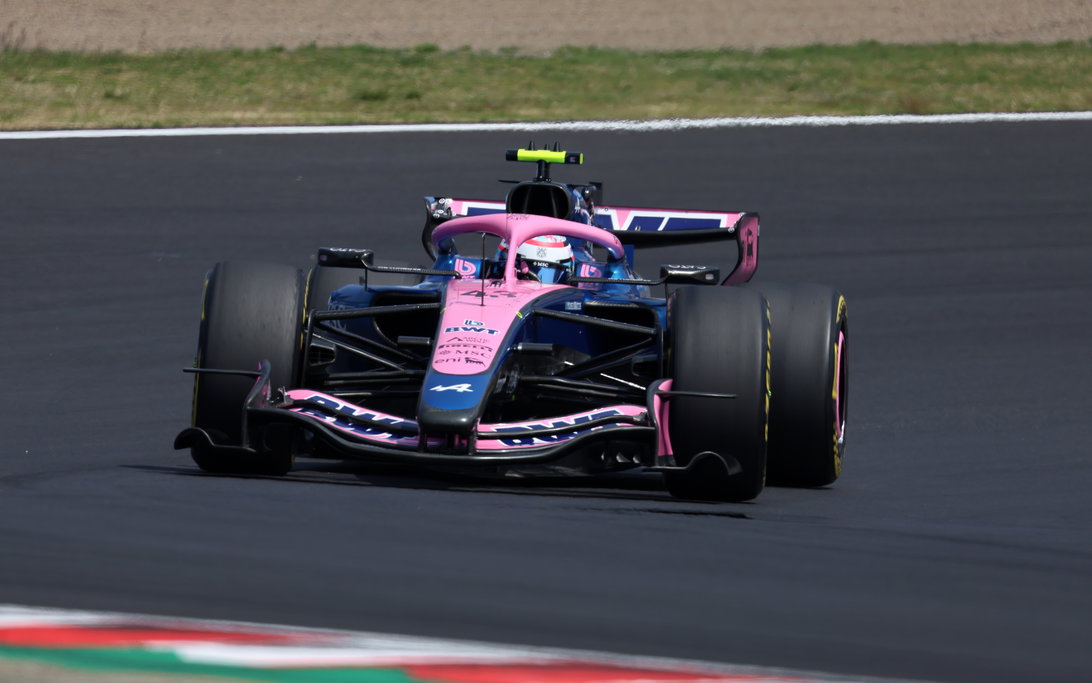
Alpine's Dirty Laundry Exposed: Colapinto Abuse Storm Reveals F1's Rotten Core
The paddock is buzzing with venom after the Japanese GP, and Alpine just fired back hard. Fans unleashed hell on rookie Franco Colapinto, mixing death threats with wild sabotage tales that echo the toxic bile once hurled at Esteban Ocon post-China. Yet beneath the team's polished denial lies a deeper truth. This abuse is no accident. It is calculated theater, much like Max Verstappen's aggression that masks Red Bull's aerodynamic cracks. In five years, none of it will matter when AI designs the cars and humans become mere passengers.
The Abuse Machine Grinds On
Alpine's statement landed like a slap in the face to the online mob. They called out the hateful messages aimed at Colapinto and the earlier threats against Ocon after that fiery China clash. The team branded it all unacceptable and far from the sport's spirit. Insiders tell me the vitriol spiked right after Suzuka, where Colapinto's struggles fueled conspiracy threads claiming the squad was deliberately hobbling his car.
- Equal equipment for both drivers remains non-negotiable, they insist, except for those rare logistical hiccups when new parts roll out unevenly.
- Manufacturing delays, not strategy, explain any upgrade lags.
- Data flows freely between Pierre Gasly and the Argentine rookie, with both sharing feedback daily in the engineering office.
This is not the old guard playing favorites anymore. Modern F1 demands transparency or the whole operation collapses under its own weight.
Sabotage Claims and Emotional Realities
Alpine flatly rejected any notion of withholding pace or intel from Colapinto, labeling such ideas relics from a bygone era. Their words carry weight in the garage, where Gasly and the rookie collaborate openly. Still, the denial feels like another layer of distraction. Just as Verstappen's on-track fireworks divert eyes from Red Bull's deeper flaws, these fan theories mask how driver emotion truly drives results.
A content or furious pilot beats pure data optimization every time. Colapinto needs that fire stoked, not smothered by spreadsheets. Lewis Hamilton's path, mirroring Ayrton Senna's arc but with more media polish and less raw edge, shows how politics often trump talent. Alpine knows this. Their push for respectful fandom is really a plea to keep the emotional engine running hot.
"We are committed to both drivers equally and will not tolerate abuse that poisons the paddock."
That line from the statement hits like a warning shot. Teams are fighting a losing battle against digital mobs while trying to prep for Miami.
What Comes Next in the Chaos
The schedule break gives Alpine breathing room to debrief and sharpen before Miami. They aim to lock in fourth-fastest status and drag both cars into consistent points. Yet the bigger picture involves F1 and the FIA hammering out ways to tame online spaces. My take? These efforts buy time at best.
Within five years, the first fully AI-designed car will hit the grid. Human drivers become obsolete, races turn into software duels, and sabotage whispers fade into irrelevance. Until then, expect more emotional fireworks and less cold calculation from squads like Alpine. The real game is keeping drivers hungry, not just equal on paper.
Join the inner circle
Get the deep dives and technical analysis from the world of F1 delivered to your inbox twice a week.
Zero spam. Only high-octane analysis. Unsubscribe anytime.

.png?alt=media&token=c14086ca-5fc6-4d2e-8473-098da2832b60)