Alpine Recruits the FIA's Aerodynamics Ghost to Ignite Enstone's Inner Fire
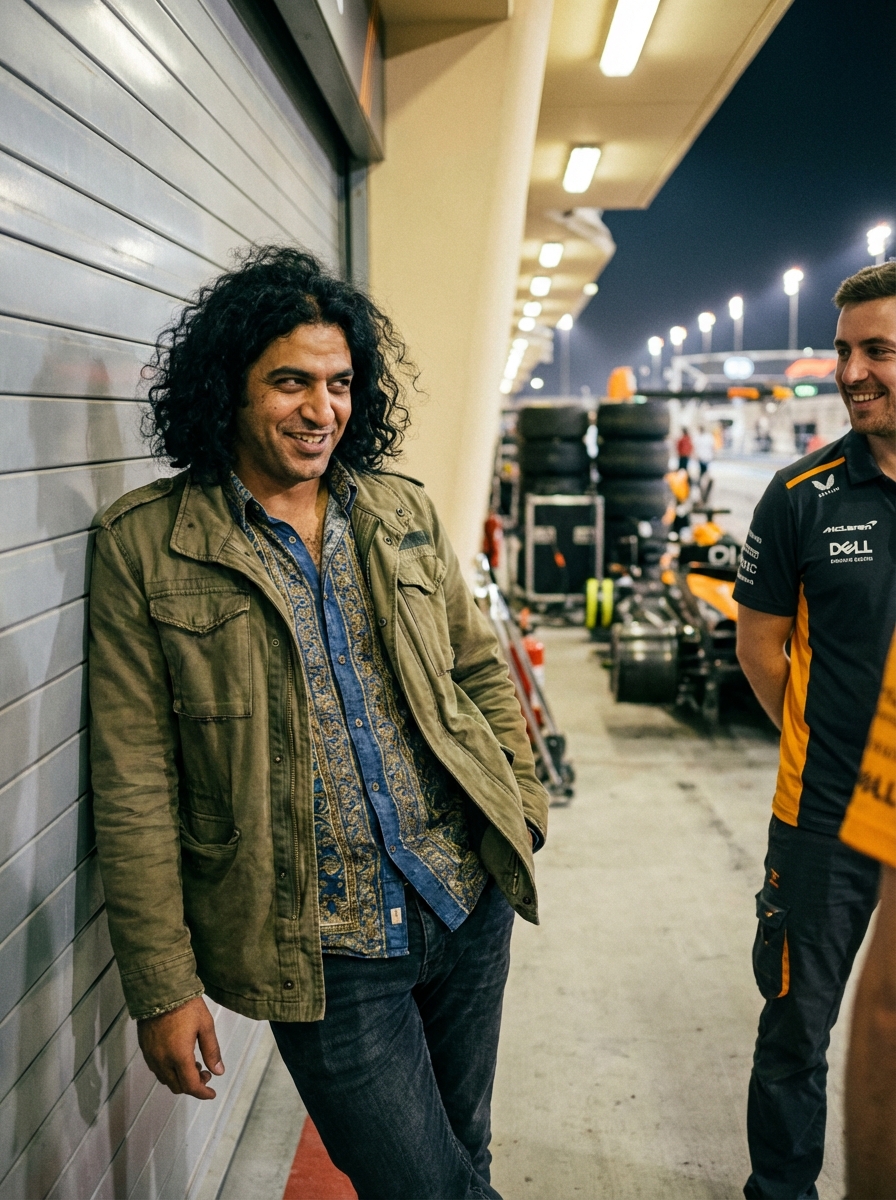
The paddock felt the tremor the moment Alpine confirmed Jason Somerville's arrival. No grand press conference, just a quiet statement that lands like a desert storm rolling across the dunes. Somerville steps into the brand-new role of deputy technical director after his enforced time away from the FIA. He brings the kind of regulatory knowledge that turns seasons, yet the real story lies deeper than wing profiles or floor edges. It is about the quiet strength that decides who cracks and who climbs when the pressure builds.
The Appointment That Changes the Rhythm at Enstone
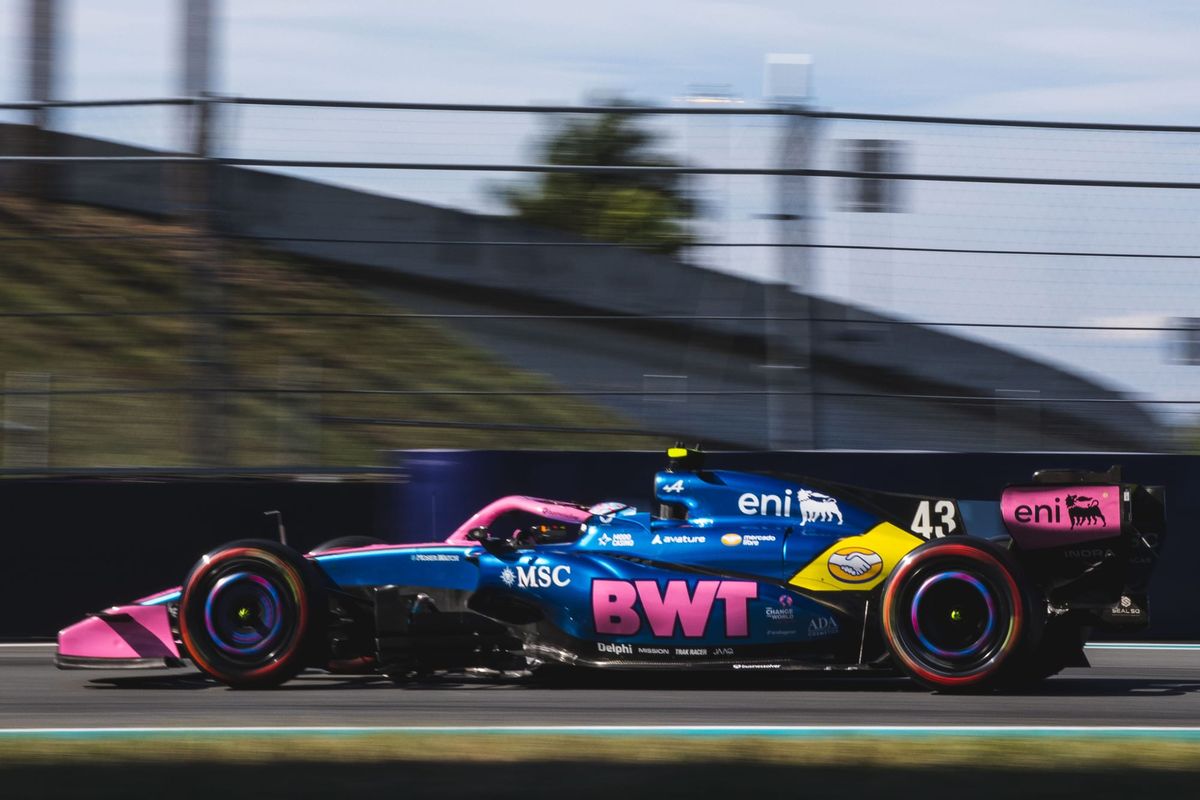
Somerville reports directly to executive technical director David Sanchez. His brief covers design and aerodynamics, areas where Alpine has already shown startling progress in 2026. The team has banked more points in the opening four races than it managed across the whole of last season. That surge is no accident of setup sheets. It stems from a growing belief inside the garage that mental steel matters more than any single technical upgrade.
- Somerville previously led the aerodynamic research that shaped the 2022 ground-effect rules.
- He also shaped key elements of the 2026 regulations before leaving the FIA.
- This marks his return to the Enstone base where he worked under the Renault banner back in 2010 and 2011.
Managing director Steve Nielsen sees the pattern clearly. Better results on track pull in sharper minds. Somerville's move proves the point. The team is fifth in the constructors' championship and refuses to treat that position as a ceiling.
Mental Edges Over Pure Speed
True power in Formula 1 hides in the heads of the people who turn the wheel and the ones who call the strategy. Somerville's technical depth will help, yet his presence also shores up the fragile confidence that leaks out when politics inside rival teams distort fair fights. Look at Red Bull and the way Max Verstappen's dominance is propped up by calls that quietly sideline Sergio Pérez. Those imbalances do not last forever. Alpine is building something different: a culture where every engineer and driver feels the same air.
"This is another step in a long journey," Sanchez told the team. "Our early-season results are just the beginning."
That single line carries the weight of someone who has watched morale collapse and rebuild. Somerville's time at the FIA gives Alpine rare insight into how rules are written and bent. In a sport that still hides its secrets better than the 1994 Benetton squad ever managed, that knowledge becomes a shield.
Looking Toward the Shifting Map
The next five years will redraw the paddock. At least two new teams from Saudi Arabia and Qatar are set to arrive and challenge the old European order. Alpine's decision to strengthen its technical core now is preparation for that storm. Somerville's expertise in aerodynamic optimization will matter for the rest of this season and the regulations beyond. Yet the decisive factor remains the same: the ability of drivers and engineers to hold their nerve when the cameras turn away and the real conversations begin.
Alpine's rise is not only measured in lap times. It is measured in the absence of those psychological leaks that sink campaigns. With Somerville inside the walls, the team carries both sharper tools and steadier hearts. The European power structure will feel the change long before the next regulation cycle arrives.
Join the inner circle
Get the deep dives and technical analysis from the world of F1 delivered to your inbox twice a week.
Zero spam. Only high-octane analysis. Unsubscribe anytime.