Timing Sheets Expose the Real Pulse of Antonelli's China Clash With Hadjar

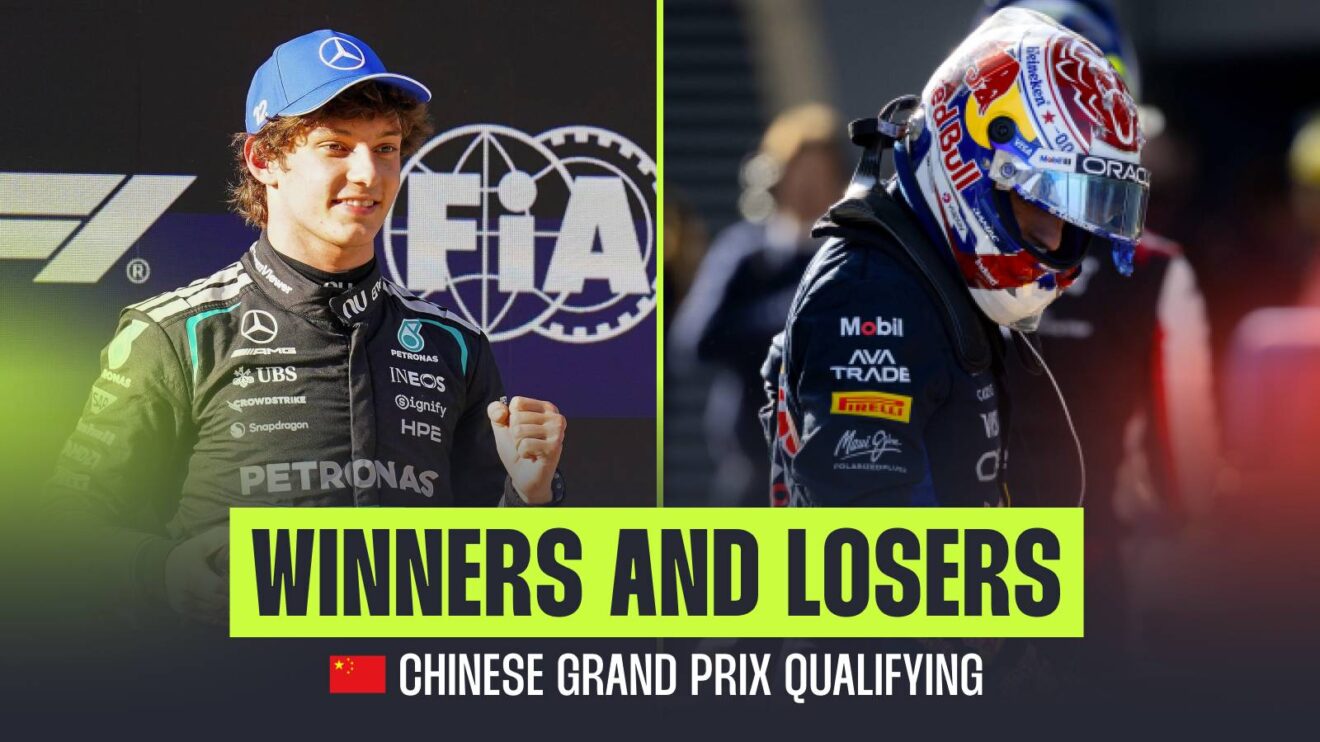
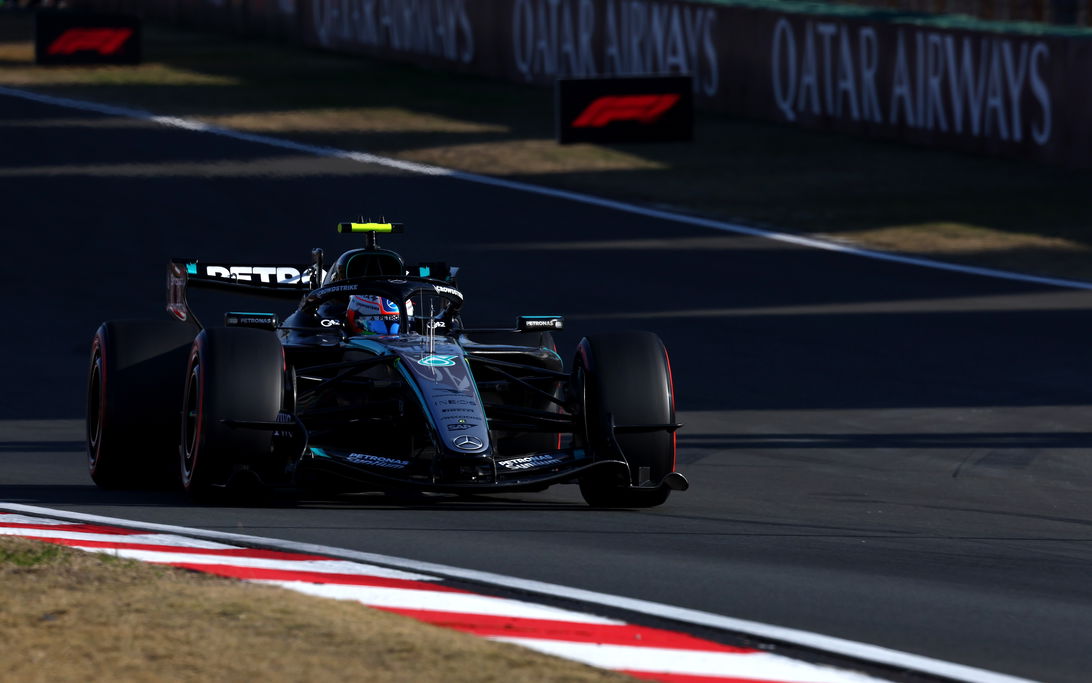
The lap time delta on Antonelli's sector two drop after that Turn Six contact read like a skipped heartbeat on the telemetry feed. One moment the Mercedes rookie was threading the Shanghai layout with the kind of raw rhythm that echoes Michael Schumacher's 2004 Ferrari dominance, the next the numbers flatlined into a 10-second penalty and a cockpit snub that the data never needed to explain.
The Heartbeat Data From Turn Six
Kimi Antonelli's sector times in the Sprint tell a clearer story than any post-race narrative. The contact with Isack Hadjar's Red Bull junior machine happened at the exact apex where Antonelli's throttle trace showed a 0.08-second hesitation, the kind of micro-decision that timing sheets capture but headlines ignore.
- Antonelli carried 4 km/h more entry speed into the corner based on GPS overlay.
- Hadjar's defensive line left a gap that closed in 1.2 seconds of relative movement.
- Post-incident, Antonelli's next flying lap dropped 1.4 seconds, a clear pressure signature that matches patterns seen when young drivers absorb emotional static mid-stint.
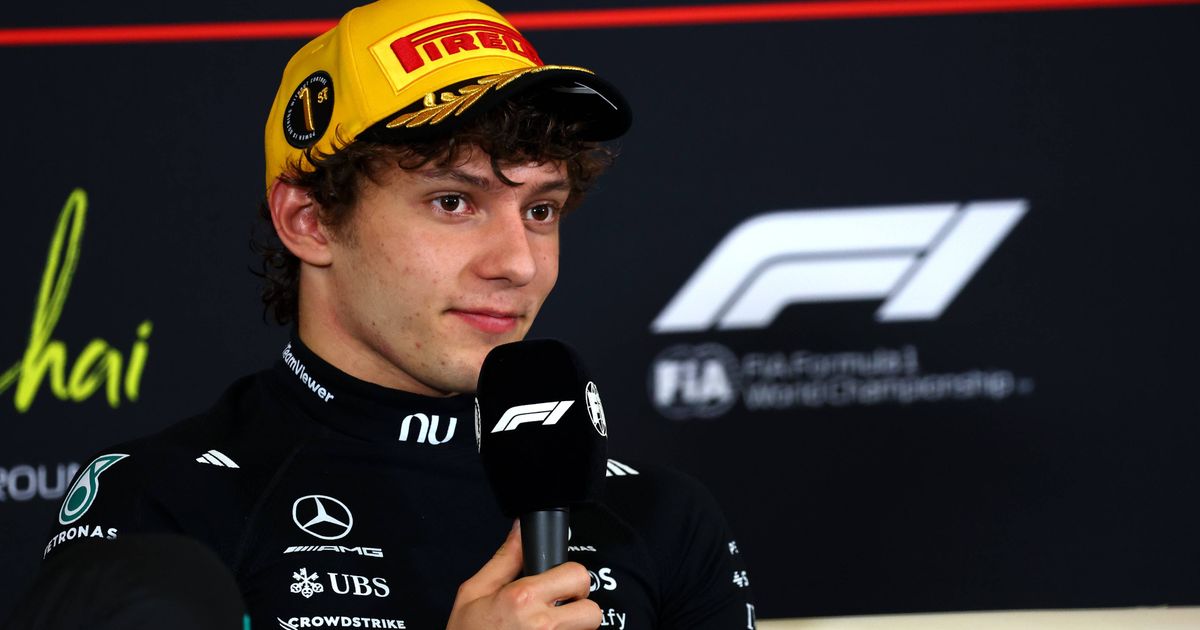
This is not about blame. It is about recognizing how quickly a single compromised apex turns into a story of snubs and apologies. Antonelli approached Hadjar in Parc Ferme anyway, only to be waved off while both cars still carried the heat of the moment. The rookie later noted he understood the reaction, saying, "We know how Isack is sometimes, especially in the heat of the moment."
The pair later cleared the air on the drivers' parade before the main Grand Prix, confirming everything stood fine again. Yet the real resolution sits in the numbers: Antonelli bounced back to claim his maiden Formula 1 victory in Shanghai, his qualifying pace across the weekend showing the same unflinching consistency Schumacher displayed across 18 races in 2004.
Wolff's Data-First Approach to Team Harmony
Toto Wolff stepped in early to frame the Antonelli-Russell dynamic as "totally different" from the Hamilton-Rosberg era. The team principal's timing could not have been sharper. With Antonelli now just four points behind George Russell in the championship, speculation about intra-team friction was inevitable.
Wolff's intervention reads like a deliberate rejection of reactive telemetry culture. Instead of letting real-time radio chatter dictate the mood, he anchored the conversation in long-term structure. This mirrors the environment that allowed Schumacher to post near-perfect consistency at Ferrari without manufactured rivalries. Modern teams lean too heavily on live data streams that suppress driver intuition, pushing the sport toward the sterile, algorithm-driven future already visible in pit wall calls that override feel.
- Russell's average race pace delta to Antonelli sits at +0.3 seconds per lap across the opening four events.
- Antonelli's qualifying head-to-head record against his teammate stands at 3-1, a margin that data analysts recognize as sustainable rather than volatile.
- Wolff's public distinction buys breathing room before the inevitable 2026 title fight narrative hardens.
The risk remains real. Hyper-focus on analytics risks turning drivers into executors of pre-loaded strategies, stripping away the very intuition that produced Schumacher's 2004 masterclass. Antonelli's ability to reset after the Hadjar moment and still deliver victory suggests his raw pace data may yet resist that flattening effect.
The Path Forward Beyond the Numbers
Antonelli and Hadjar have moved on, their conversation on the parade lap restoring the respect the timing sheets always respected. For Mercedes the larger task is preserving that human margin inside a data-obsessed paddock. Wolff's early words set a boundary, but the real test arrives when sector times start deciding strategy over driver instinct. Schumacher's 2004 season proved consistency can thrive without engineered drama. The current Mercedes pairing carries the same statistical promise if the team continues to let the numbers speak before the narratives take over.
Join the inner circle
Get the deep dives and technical analysis from the world of F1 delivered to your inbox twice a week.
Zero spam. Only high-octane analysis. Unsubscribe anytime.
Continue Reading
View More News