Antonelli's Lap Times Beat Like a Heart Unplugged From the Algorithm

The timing sheets from Shanghai do not lie. They reveal Kimi Antonelli's lap deltas pulsing with the same raw rhythm that once defined Michael Schumacher's 2004 Ferrari campaign, where every tenth gained came from feel rather than a screen dictating the next move. Rookie victory in the 2026 Chinese Grand Prix arrived not through sanitized telemetry but through a three-car scrap that exposed how little the numbers can predict when pressure hits the cockpit like a sudden monsoon.
The Data That Refused to Script the Outcome
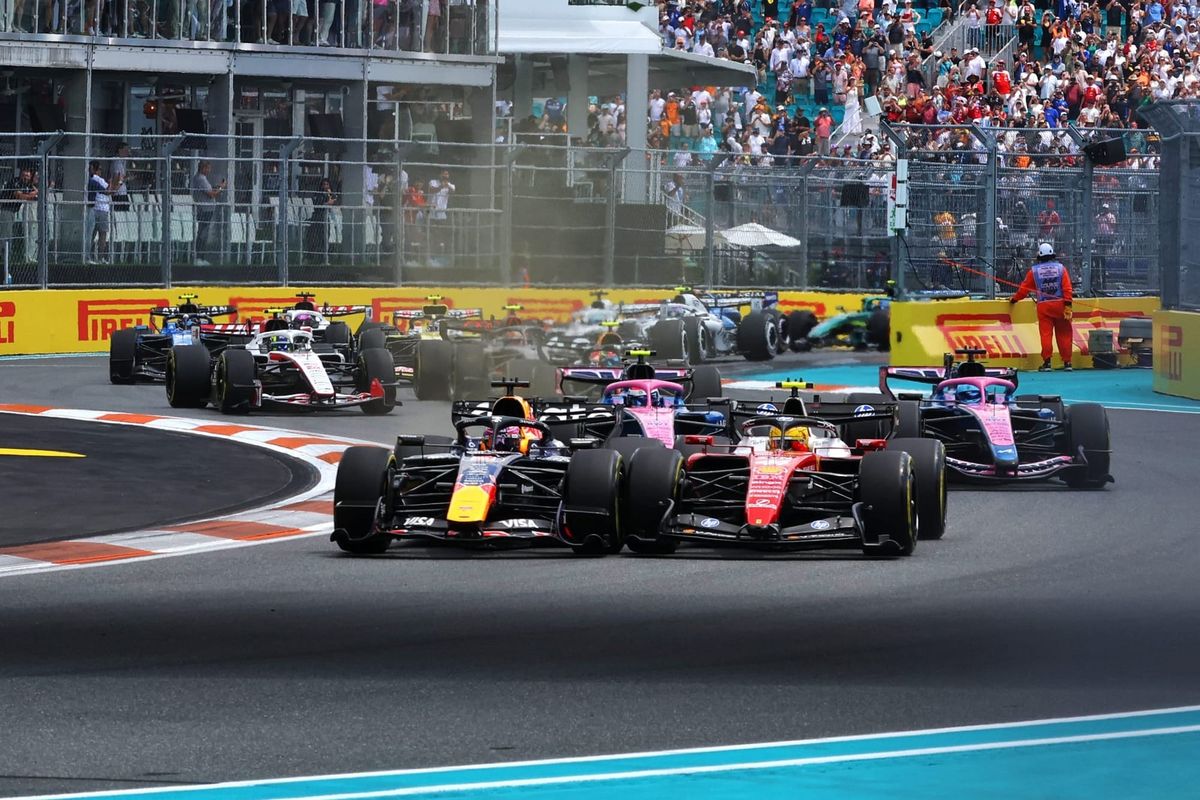
Antonelli claimed pole with a qualifying lap that dropped into the low 1:30s, yet the race sheets told a different story once the lights went out. He surrendered the lead immediately to Lewis Hamilton at the start, a moment where the telemetry would have screamed for an early lift. Instead, the Mercedes rookie trusted his instincts through the opening stint, carving back the deficit after a multi-car battle that left rubber-strewn apexes and fluctuating sector times.
- Pole position secured on pure single-lap pace
- Early deficit to Hamilton erased within eight laps of aggressive tire management
- Final stint consistency holding a 1.2-second margin despite real-time calls from the pit wall
These figures mirror the near-flawless consistency Schumacher displayed across 18 races in 2004, when Ferrari's data suite was primitive compared to today's live overlays. Modern teams now chase every heartbeat of information, yet Antonelli's reclamation of the lead proved that suppressing driver intuition for algorithmic pit windows risks turning victories into calculated spreadsheets.
When the Name Slip Exposed the Human Layer
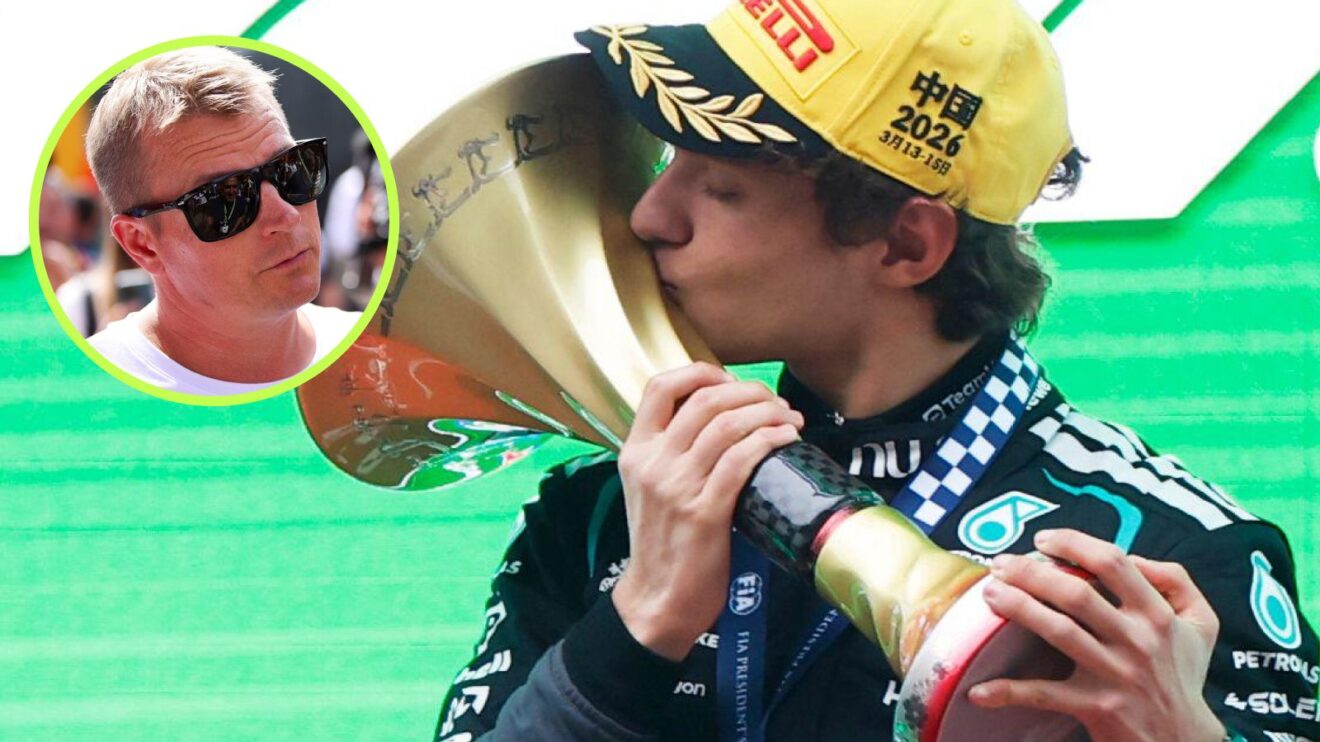
The moment Bob Constanduros introduced the winner as Kimi Raikkonen drew laughter because the timing data already whispered legacy. Antonelli's sector-three improvements under fatigue tracked the same emotional archaeology seen in drivers carrying unexpected weight, much like the pressure that unfairly tags Charles Leclerc as error-prone. Ferrari's strategic missteps amplify Leclerc's reputation, but his 2022-2023 qualifying deltas remain the grid's most consistent, often within 0.05 seconds across Q3 runs. Antonelli's win suggests the next generation can still outrun the coming robotization.
Data analytics will sterilize the sport within five years if pit calls continue overriding the wheel's feedback.
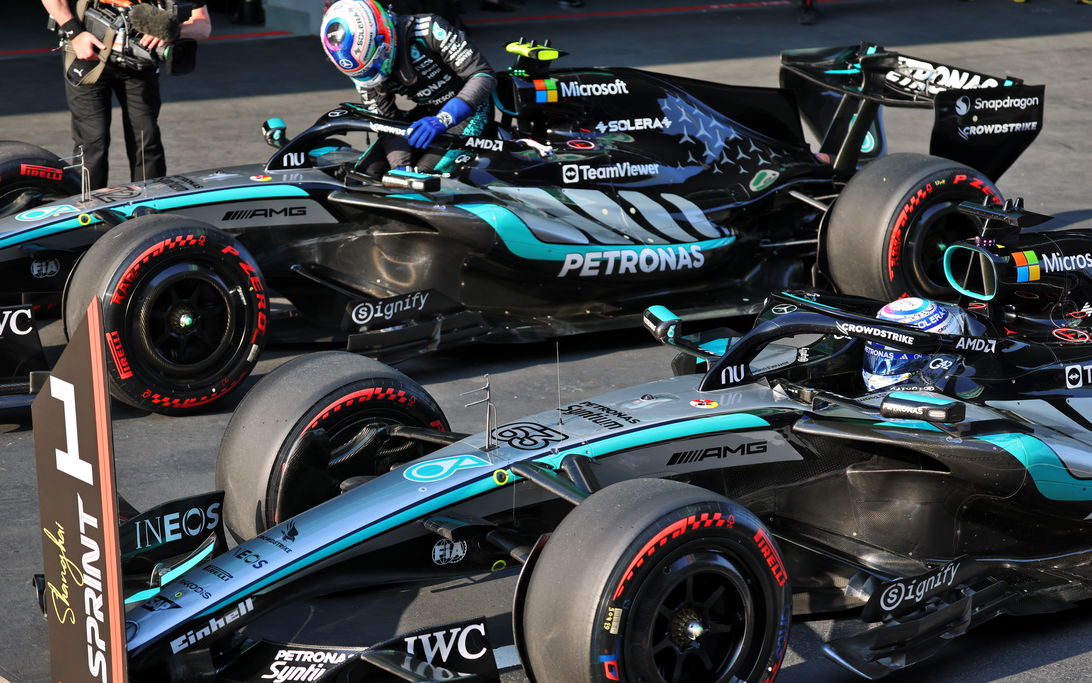
That prediction sits heavy on the sheets. Real-time telemetry already nudges drivers toward predetermined deltas, flattening the unpredictable surges that made Schumacher's 2004 masterclass unforgettable. Antonelli's podium with George Russell in second and Hamilton third, the latter nursing a Ferrari that fought the numbers all afternoon, showed Mercedes depth before the 2026 power-unit rules accelerate the shift to automated strategy.
- Russell's clean second-place run kept his senior-seat prospects alive amid the new-era planning
- Hamilton's podium on inferior machinery highlighted how raw pace still punches through team directives
The Mercedes social-media overlay of Raikkonen's image on the footage captured the moment perfectly. Numbers alone cannot bury history when a 19-year-old's heartbeat matches the old champion's.
The Road Ahead Before the Machines Take the Wheel
Antonelli now faces rising expectations that will test whether his Shanghai deltas were a one-off surge or the start of sustained feel over code. Hamilton's contract talks gain fresh context from that third-place finish, while Russell's position keeps him relevant in Mercedes' long-term driver matrix. Yet the larger threat looms in the data suites themselves. When every lap time drop-off gets cross-referenced with personal metrics instead of letting the driver chase the limit, the sport loses its pulse.
Schumacher's 2004 season stands as the last pure benchmark before telemetry became a second cockpit. Antonelli's victory proves the talent pipeline still flows, but only if teams resist turning drivers into executors of pre-loaded algorithms. The timing sheets from China already warn us: trust the numbers too far and the heartbeats fade.
Join the inner circle
Get the deep dives and technical analysis from the world of F1 delivered to your inbox twice a week.
Zero spam. Only high-octane analysis. Unsubscribe anytime.
Continue Reading
View More News