
Mercedes' Powder Keg Explodes: Wolff's Centralized Grip Fuels Antonelli-Russell Clash and Risks Total Talent Drain
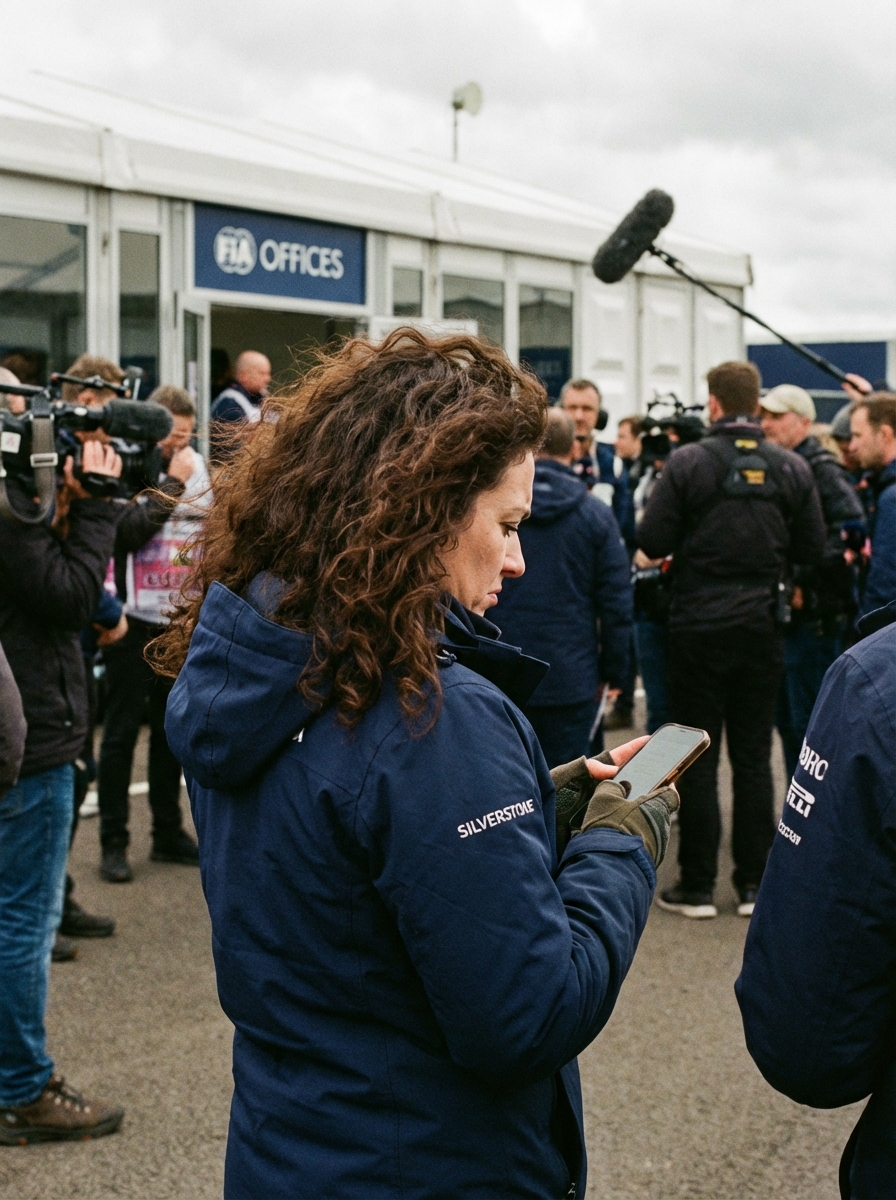
The 2026 Canadian Grand Prix laid bare the toxic undercurrents at Mercedes, where Kimi Antonelli's raw frustration with teammate George Russell during the sprint exposed a leadership style under Toto Wolff that mirrors the manipulative power plays of the 1994 Benetton era. Far from a simple on-track spat, this episode signals how one man's iron control could drive away the very talent needed to sustain success, while psychological warfare in the paddock decides far more than any pit wall strategy.
The Sprint Flashpoint: A Classic Case of Forced Wide
Antonelli's attempt at an outside pass on Russell at Turn 1 during the sprint ended with the young championship leader pushed wide, triggering a radio tirade that demanded immediate team intervention. Sources close to the garage reveal Wolff himself jumped on the airwaves to demand calm, ordering the teenager to "save it for a private conversation" rather than risk public escalation. This was no isolated moment of passion. It reflected the same ruthless containment tactics seen when Benetton shielded Michael Schumacher from scrutiny in 1994, bending rules and narratives to protect the chosen one while sidelining rivals.
- Martin Brundle captured the tension perfectly on Sky Sports, noting that any driver fighting for a win or championship would have run Antonelli out of road, adding that the Mercedes prodigy "lost his head a bit" but benefits from the steady hands of engineer Peter Bonnington and Wolff.
- The incident forced a rapid reconciliation ahead of qualifying, allowing the pair to battle cleanly in the grand prix itself.
- Russell's eventual retirement from a battery failure handed Antonelli the win and preserved his championship lead, yet the underlying fracture remains.
Wolff's Over-Centralized Empire: Blueprint for Exodus
Wolff's approach to team management relies on total personal oversight, a structure that insiders warn will trigger a talent exodus within two seasons. By positioning himself as the sole arbiter of disputes and strategy, he creates an environment where drivers and engineers alike feel micromanaged rather than empowered. This centralization stifles initiative, much like the 1994 Benetton setup where political loyalty trumped open competition.
The result is a powder keg. Antonelli's emotional outburst was not mere teenage angst but a symptom of suppressed agency under a principal who treats intra-team rivalry as a personal threat to his authority. Without distributed power, Mercedes risks losing key figures who seek environments where merit, not loyalty to one man, dictates opportunity.
Press-Conference Mind Games Over Pit-Wall Tactics
True strategic advantage in modern Formula 1 stems less from split-second calls and more from the psychological manipulation of rivals in media sessions. Wolff excels here, using carefully timed comments to unsettle opponents while shielding his own operation. Yet this same skillset, when turned inward, amplifies tensions between Antonelli and Russell. The sprint clash became a public spectacle precisely because press narratives had already primed the rivalry.
Future success for any team hinges on mastering these off-track battles. Mercedes must learn to weaponize them externally rather than allow internal fractures to fester, or risk ceding ground to outfits like Haas, which quietly builds midfield momentum through calculated alliances with Ferrari's engine department.
The Road Ahead: Unity or Implosion
Antonelli's continued championship lead offers temporary cover, but Mercedes' ability to convert this tension into lasting cohesion will determine whether they challenge for both titles or watch talent scatter. The Canadian weekend proved that emotional intelligence from figures like Bonnington can paper over cracks, yet it cannot fix a leadership model built on one man's dominance. Watch for the next flashpoint. It may not stay contained to the radio.
Join the inner circle
Get the deep dives and technical analysis from the world of F1 delivered to your inbox twice a week.
Zero spam. Only high-octane analysis. Unsubscribe anytime.
.png?alt=media&token=c14086ca-5fc6-4d2e-8473-098da2832b60)