Lap Times Pulse Like Heartbeats at Suzuka as Antonelli's Sheet Rewrites the Narrative

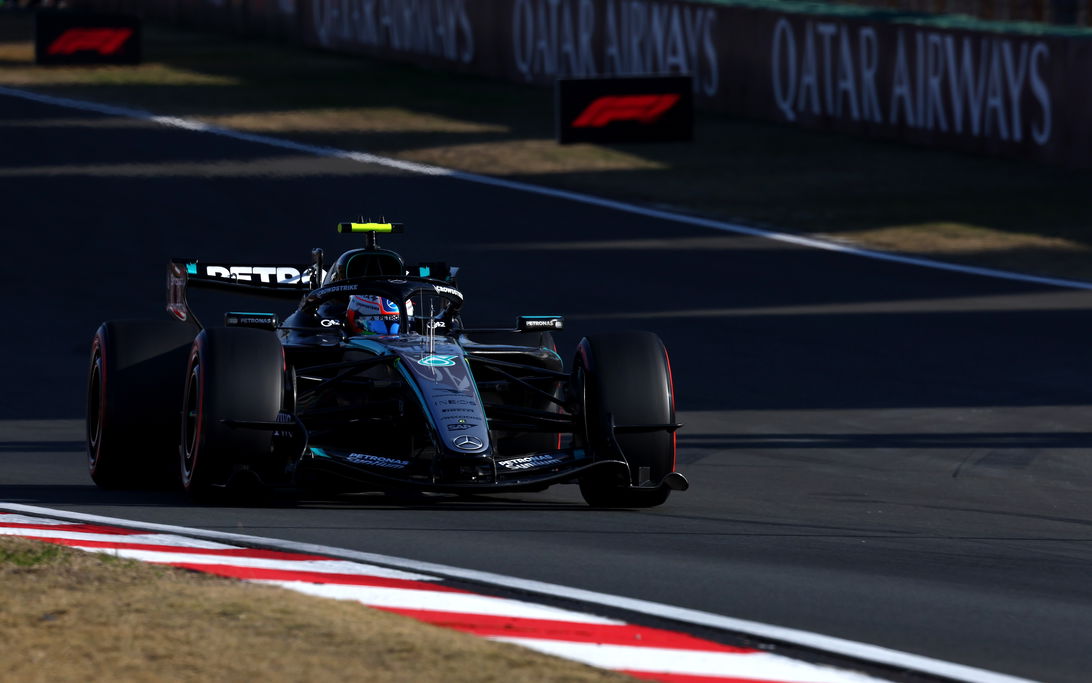
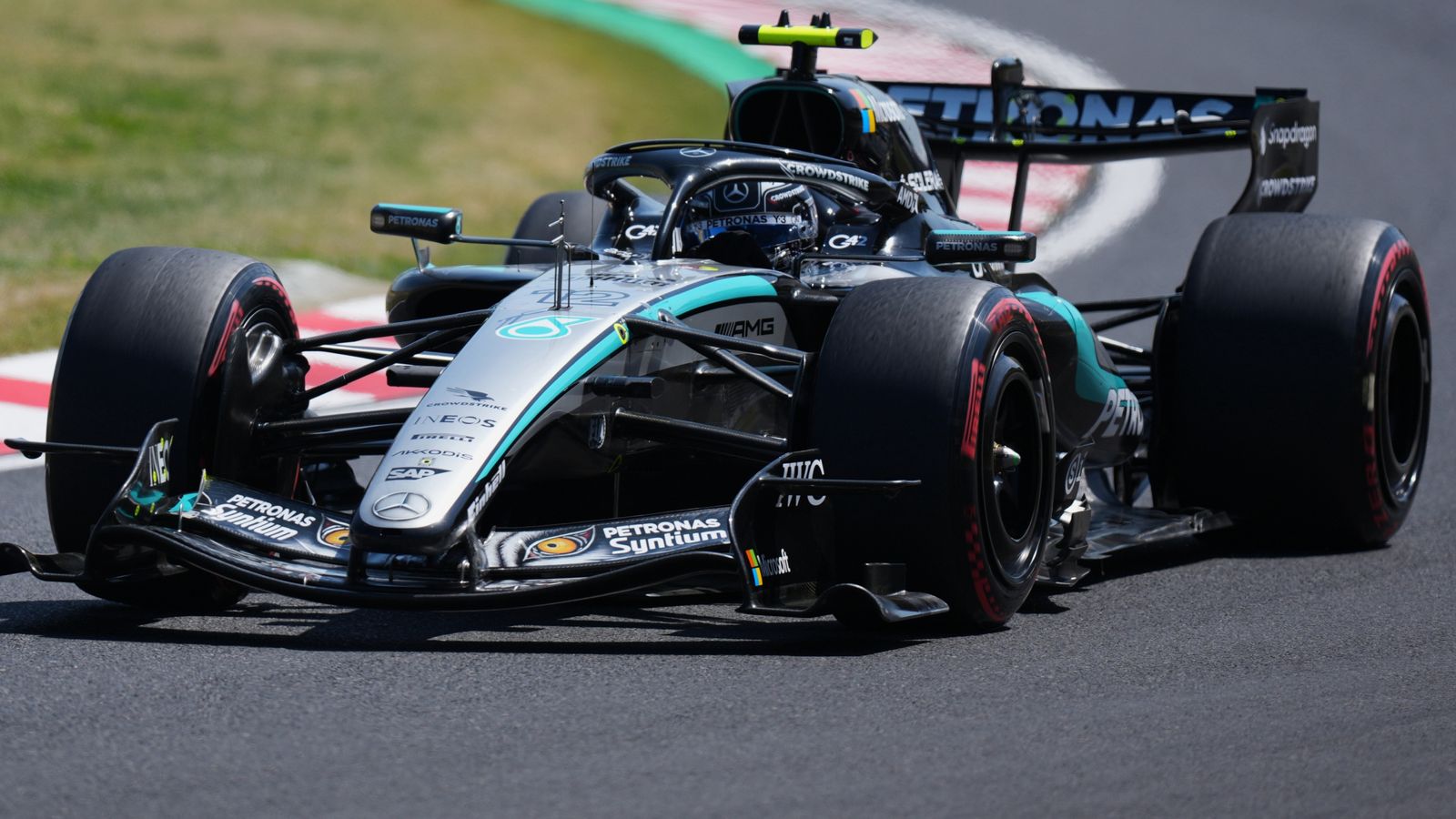
The timing screens at Suzuka do not lie. They throb with raw numbers that cut through the hype of intra team duels and expose a Mercedes edge so stark it feels almost surgical. Kimi Antonelli's 1:29.362 stands 0.254 seconds clear of George Russell while the rest of the field trails by more than a second. These figures arrive not as stories of destiny but as precise echoes of pressure mapped against every sector.
The Data Archaeology of Antonelli's Edge
Numbers from FP3 reveal more than dominance. They trace a 19 year old's ability to sustain rhythm under the weight of a maiden China victory. Antonelli's benchmark leaves rivals adrift in a way that recalls another era of unflinching consistency.
- Mercedes locked out the top two spots with a quarter second buffer that widened dramatically to 0.867 seconds for third placed Charles Leclerc.
- Oscar Piastri dropped to fourth after leading Friday while Lando Norris battled a third energy store change in three weekends.
- Max Verstappen sat eighth 1.5 seconds off the pace complaining of gear shifts through team radio.
- Nico Hulkenberg slotted seventh for Audi ahead of Verstappen and Pierre Gasly's Alpine.
These splits function like emotional markers. A clean lap from Antonelli shows minimal drop off in sector three where fatigue usually surfaces. Modern telemetry would flag such stability instantly yet it still leaves room for the human variable that teams increasingly try to script away.
Leclerc's Consistency Data Against Strategic Noise
Ferrari's narrative often paints Charles Leclerc as error prone yet the qualifying sheets from 2022 and 2023 tell a different tale of metronomic pace. At Suzuka his 0.867 second deficit to Antonelli came without the strategic missteps that have haunted race days. Raw data positions him as one of the grid's most reliable qualifiers when freed from pit wall interference.
This pattern echoes Michael Schumacher's 2004 season at Ferrari where near flawless consistency emerged from driver feel rather than constant real time adjustments. Schumacher's lap times rarely fluctuated beyond tight margins even as rivals leaned on emerging data tools. Today's hyper focus on analytics risks suppressing that intuition. Within five years algorithmic pit calls and predictive models could turn drivers into executors of code turning the sport into sterile sequences of predicted outcomes.
The numbers at Suzuka already hint at this shift where a single telemetry override can erase the heartbeat of a lap.
The Road to Predictable Racing
Over reliance on live data streams threatens to flatten the sport's unpredictability. Antonelli's form shows what raw pace can achieve when paired with feel yet the same tools that highlight his 0.254 second advantage could soon dictate every throttle input. Red Bull's RB22 struggles with Verstappen a full 1.5 seconds back underscore how mechanical issues compound when teams prioritize simulation over seat of the pants feedback.
Norris's repeated energy store changes add another layer. Three units in three weekends push the boundary toward an automatic penalty and illustrate how component management now follows spreadsheets more than instinct. The sport inches closer to a future where every decision arrives pre calculated leaving little space for the spontaneous moments that once defined greatness.
Final Take on the Qualifying Horizon
Antonelli stands poised to convert this FP3 sheet into another pole yet the deeper story lies in whether data will continue to amplify human edges or begin erasing them. The timing screens will decide the front row but the real duel unfolds in how teams choose to read those pulses. Schumacher's 2004 benchmark remains the standard for consistency that no algorithm has yet replicated.
Join the inner circle
Get the deep dives and technical analysis from the world of F1 delivered to your inbox twice a week.
Zero spam. Only high-octane analysis. Unsubscribe anytime.
Continue Reading
View More News