The Timing Sheets at Suzuka Flatlined Aston Martin's Hopes Before the Lights Even Went Out

The raw telemetry from Suzuka practice does not lie. It pulses like a failing heartbeat, with Fernando Alonso more than three seconds adrift of the leaders and the AMR26's vibration spikes carving jagged lines across every sector trace. This is not mere discomfort. It is the data screaming that Aston Martin's season has already flatlined in the reliability column, with neither driver classified at the finish across the opening races.
Data as Emotional Archaeology on the Suzuka Tarmac
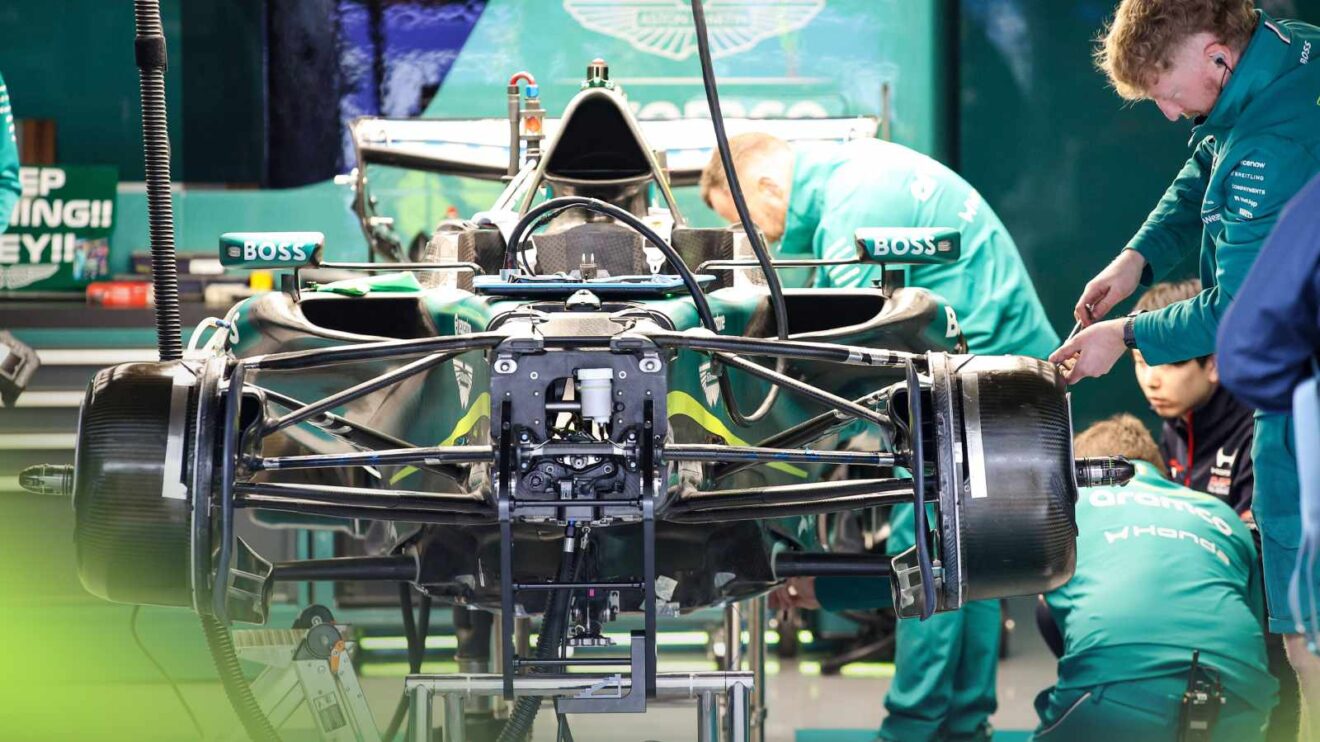
I treat every lap time drop-off like an excavation site. Here at Suzuka, the numbers reveal pressure points that no press release can smooth over. Honda's battery system and the chassis itself are trading blows with the driver, turning what should be clean runs into survival exercises.
- Shintaro Orihara confirmed the sessions delivered "useful data" to isolate the vibrations.
- Yet the same engineer admitted outright that "our pace is not where we want it to be."
- Pedro de la Rosa put the weekend target in blunt terms: simply finish and achieve classification.
These figures matter because they expose the human cost. Lap times do not exist in isolation. They carry the weight of a squad that has yet to see a checkered flag in 2026. The vibration issue from China has followed them here, and the timing sheets show it stealing tenths in every high-speed corner where feel should override sensor noise.
Over-Reliance on Telemetry Mirrors the Sport's Coming Sterility
Modern teams now chase real-time streams the way Ferrari once chased perfection in Michael Schumacher's 2004 campaign. That season still stands as the benchmark: 13 wins from 18 races, with Schumacher posting qualifying consistency that felt almost mechanical in its repeatability. He drove by instinct when the car spoke to him, not when a dashboard dictated the next throttle map.
Aston Martin appears caught in the opposite trap. The vibration fix is being chased through data logs rather than driver intuition, and the three-second deficit at a power-sensitive track like Suzuka exposes the flaw. Within five years this hyper-focus on analytics will finish the job of turning Formula 1 into algorithm-driven pit calls and pre-programmed lines. Driver feel will be treated as noise to be filtered, not signal to be trusted. The result is racing that feels preordained, every decision cross-checked against a model instead of a heartbeat.
"Our pace is not where we want it to be."
That single line from Orihara lands heavier than any vibration graph. It is the admission that no amount of overnight data crunching will close a gap this wide without rediscovering the art of listening to the car instead of the sensors.
The Dual Mandate That Timing Sheets Refuse to Forgive
The overnight task is clear from the numbers. Solve the reliability threat first, because a DNF writes another zero in the classification column. Then hunt for a setup shift that might claw back some of the lost single-lap speed. Neither goal is optional if the team wants to escape the pattern that has defined their season.
Schumacher's 2004 Ferrari did not need constant telemetry overrides to stay flawless. It needed a driver whose feel aligned with the machine. Aston Martin still has time to choose which path it follows, but the Suzuka sheets suggest the window is closing fast.
Join the inner circle
Get the deep dives and technical analysis from the world of F1 delivered to your inbox twice a week.
Zero spam. Only high-octane analysis. Unsubscribe anytime.