Aston Martin's Newey Gamble Could Expose Rival Teams to the Budget Trap That Sank Dynasties Before

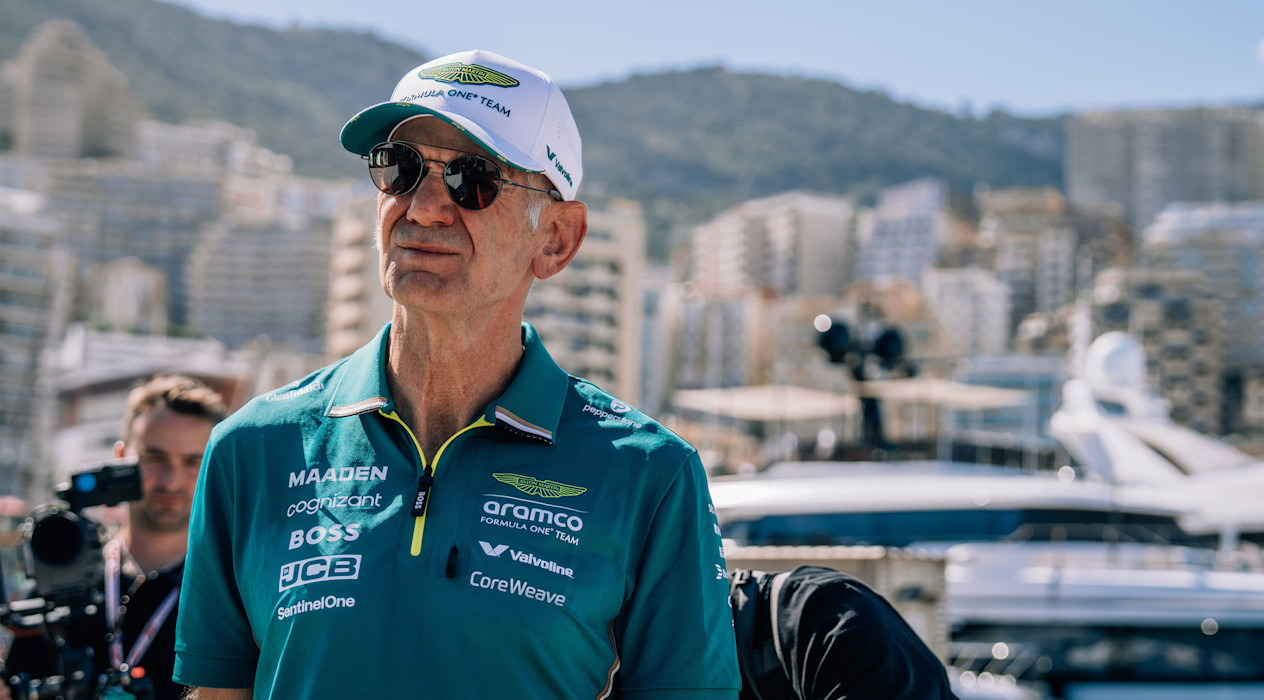
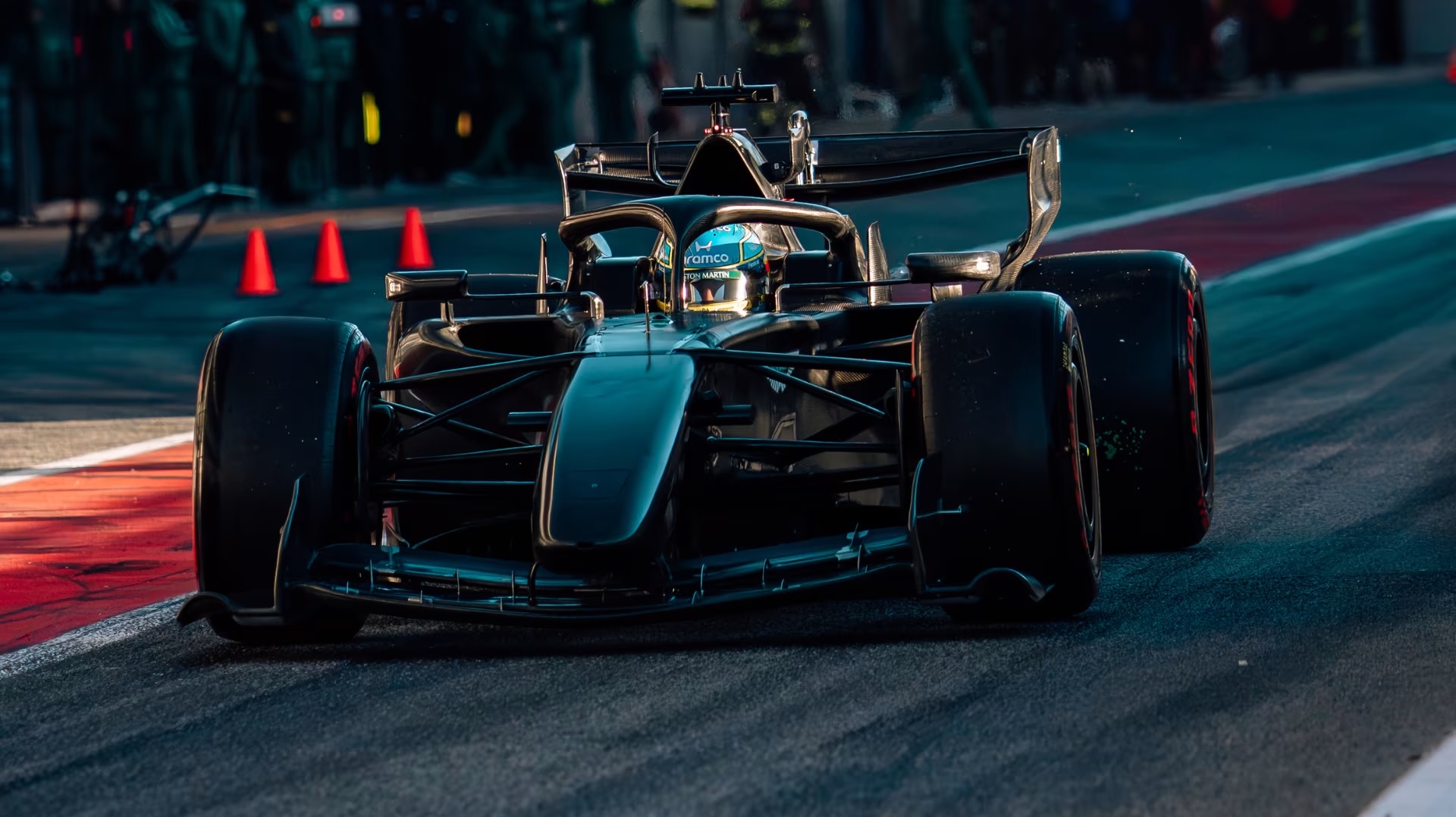
The paddock hums with a quiet electricity these days, the kind that only surfaces when a true outsider cracks the code on what everyone else has been overthinking. Adrian Newey's AMR26 has insiders at Aston Martin whispering about a design that feels less like incremental progress and more like a full reset, and I have seen this pattern before. It reminds me of the old Thai tale where a single clever elephant leads the herd across a flooded river by reading the currents instead of charging straight through. The rest of the grid is still splashing about in the shallows, distracted by politics and spreadsheets.
The Quiet Fabricator Who Saw the Whole Picture
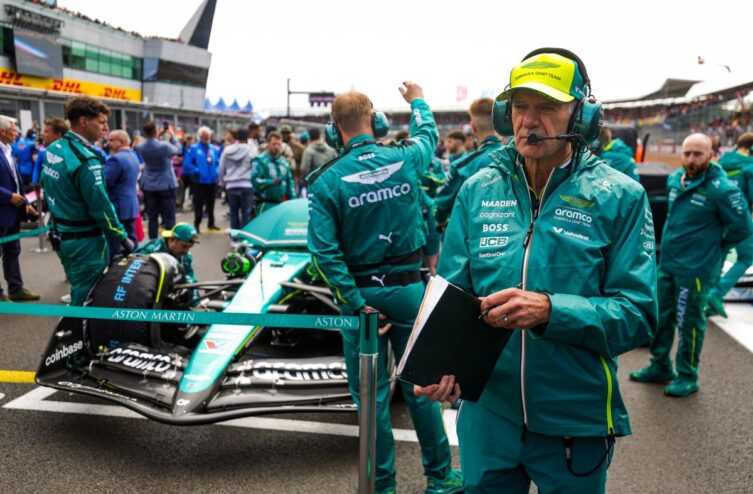
Neil Zambardi-Christie has built twenty-five Formula 1 cars across his career, yet his LinkedIn post about the AMR26 carried the weight of someone who has finally witnessed something different. The veteran fabricator called the attention to detail incredible and noted how the entire organization, from the factory cleaners right up to the technical directors, poured crazy hours into meeting Newey's exacting demands. That unity is rare. Most squads fracture under similar pressure because someone always wants to protect their own fiefdom.
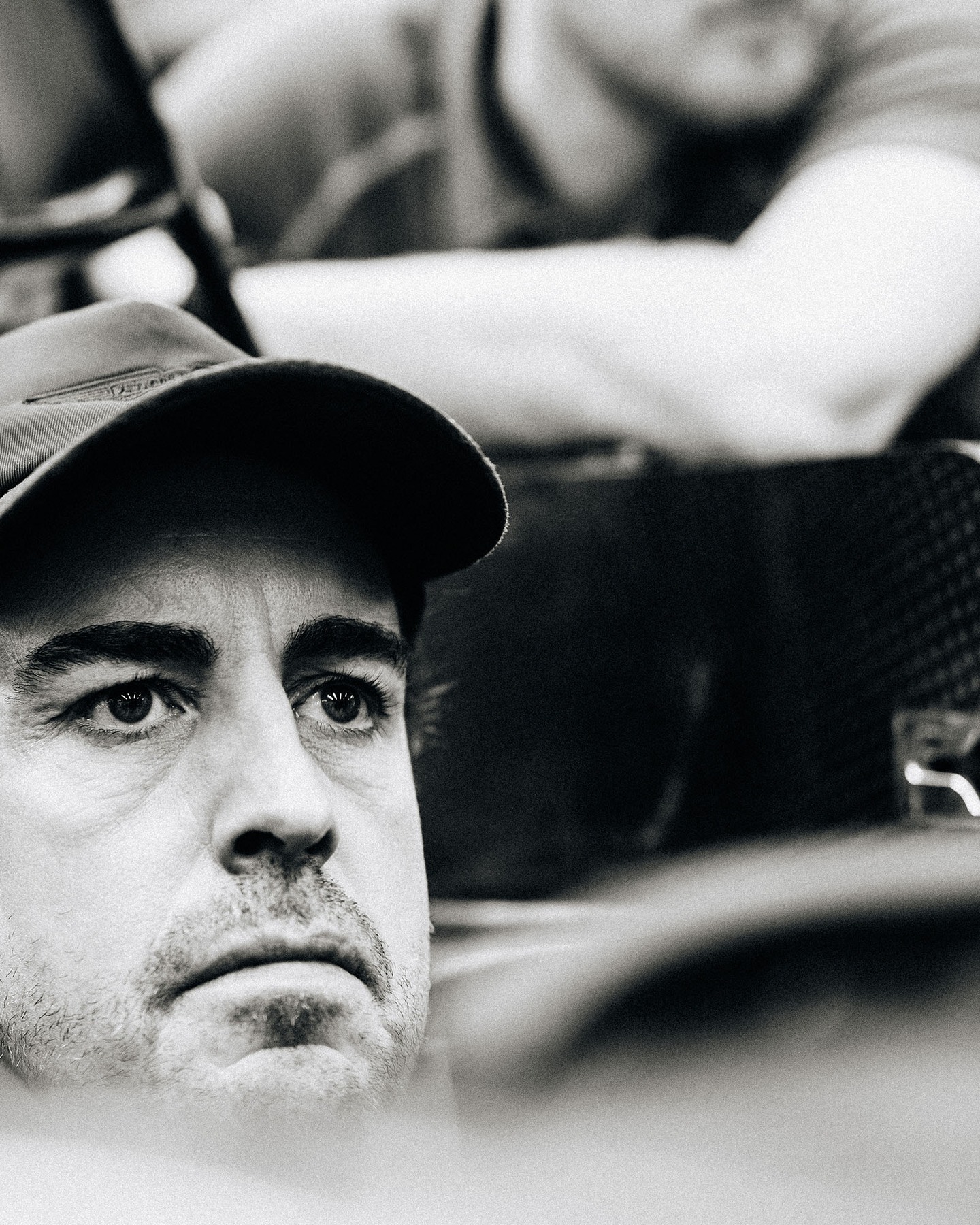
- Fernando Alonso completed a 61-lap validation run and reportedly found the car responsive from the first stint.
- Lance Stroll has echoed similar early feedback, though the real test will come when the data meets the stopwatch.
- The timeline was brutal, yet the team delivered without the usual blame-shifting that poisons other programs.
This collective effort stands in sharp contrast to what I have observed at Ferrari, where veteran influence too often overrides the data that should dictate setup choices. Charles Leclerc's consistency issues are not solely a driver problem; they grow from an environment where political weight still sways calls that should be purely analytical.
Why Psychology Will Decide More Than Downforce
Newey's genius has always been reading people as much as airflow. The AMR26's early promise stems from a design philosophy that treats driver input as the primary sensor rather than an afterthought. I have long argued that psychological profiling of drivers matters more than shaving another point of drag, and Aston appears to have absorbed that lesson. Alonso thrives when the car talks back to him clearly; the initial reports suggest the AMR26 does exactly that.
Time will tell if it's any good. But if it goes as fast as it looks, we could be in for a good year.
That line from Zambardi-Christie captures the cautious optimism inside the team. It also highlights how modern radio exchanges lack the genuine stakes of the 1989 Prost-Senna battles. Back then, every word carried championship weight. Today the drama feels manufactured because the real conflicts sit in boardrooms over cost-cap loopholes, not wheel-to-wheel on track.
The Coming Reckoning No One Wants to Discuss
Within five years the sport will face a major team collapse triggered by unsustainable budget-cap workarounds. Aston's focused approach under Lawrence Stroll may position them to survive the shakeout, while others drown in their own loophole engineering. The AMR26 represents more than one strong car; it signals a cultural shift toward ruthless clarity. Teams that continue prioritizing internal power plays over driver psychology and clean execution will find themselves merged or gone.
Newey has always understood that the fastest car is the one whose people believe in it completely. Aston's cleaners and directors apparently share that belief. The rest of the grid would do well to listen before the river rises again.
Join the inner circle
Get the deep dives and technical analysis from the world of F1 delivered to your inbox twice a week.
Zero spam. Only high-octane analysis. Unsubscribe anytime.