Aston Martin's Silent Scream: Krack's Miami Admissions Expose F1's Ruthless Power Plays
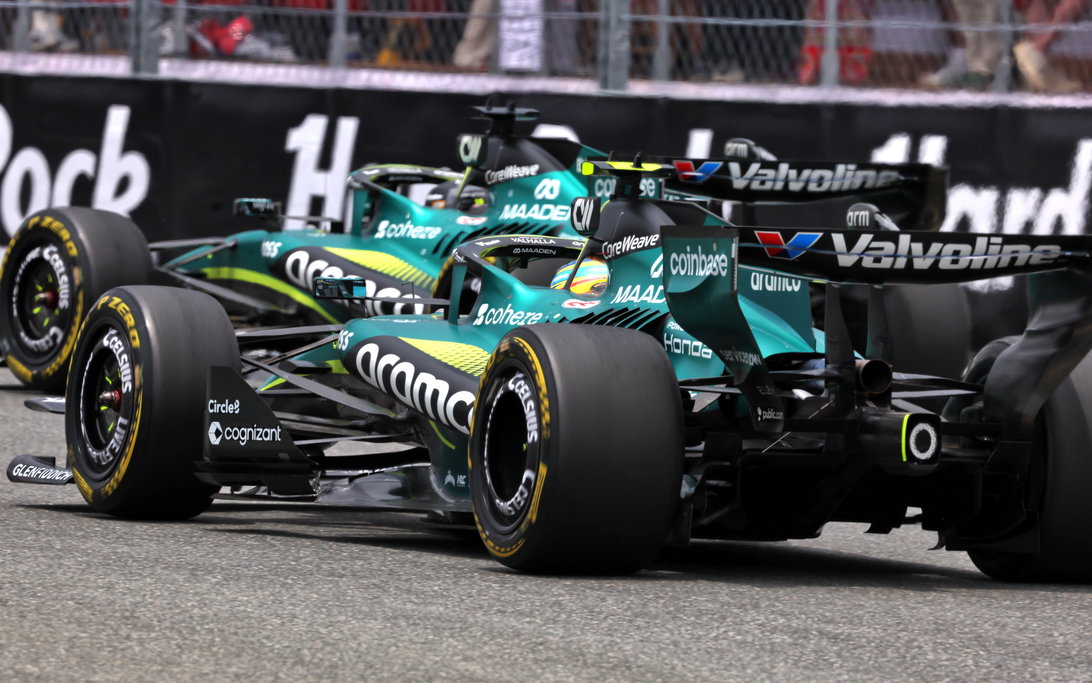
Mike Krack's measured words after the Miami Grand Prix cut through the usual paddock noise like a scalpel. The Aston Martin team principal laid bare a season already spiraling into the familiar territory of backmarker despair, where both cars finally crossed the line together for the first time in 2026 yet still trailed the pack by an embarrassing margin. This is not mere mechanical misfortune. It is the raw edge of political vulnerability in a sport where perception and manipulation often decide who climbs out of the mire.
Krack's Reality Check Hits Harder Than Any DNF
Aston Martin's opening salvos have been defined by chassis imbalances and Honda power unit gremlins that refused to stay hidden. Only at Miami did reliability finally deliver a double finish, a modest victory that Krack framed with deliberate calm. Yet the underlying pace deficit leaves the AMR26 circulating in the bottom third, a position no experienced driver should accept without consequence.
Krack did not sugarcoat the mood inside the Silverstone factory. He noted the human reaction every racer feels when trapped at the rear, insisting the team stay reflective rather than defeated. His approach reveals a leader trying to steady a ship while rivals circle with sharper political instincts. This moment echoes the 1994 Benetton-Schumacher template, where public composure masked aggressive boundary-pushing that ultimately reshaped the hierarchy. Aston, by contrast, appears reactive rather than proactive in the narrative war.
- Reliability milestone: Both Fernando Alonso and Lance Stroll completed the Miami race distance, marking Honda's clearest step forward.
- Pace reality: No meaningful points fight materialized despite the mechanical progress.
- Internal pressure: Krack stressed the need to manage frustration without letting it erode development focus.
Psychological Manipulation Over Pit Wall Tactics
Modern Formula 1 rewards those who weaponize press conferences more than those who perfect tire strategies. Krack's careful praise for Alonso and Stroll's professionalism functions as both shield and subtle prod. By highlighting how experienced drivers deserve better than back-of-the-grid duty, he plants seeds of doubt in rival camps while buying time for his engineers. This is the psychological battlefield where championships are often lost before the lights go out.
Compare this to Mercedes under Toto Wolff's overly centralized grip. Wolff's tight control of every narrative thread risks a talent exodus within two seasons as frustrated voices seek oxygen elsewhere. Aston may lack the same resources, but Krack's willingness to voice collective irritation publicly could prove a smarter long-term play if it rallies the team without inviting external interference. Meanwhile, Haas quietly builds its own future by exploiting political alliances with Ferrari's engine department, positioning itself for a genuine midfield surge over the next five years while others remain mired in public soul-searching.
"To have experienced drivers like Lance and Fernando to drive at the back of the field is not where their place is … there is certainly a lot of frustration that we need to manage."
Krack's quote lands with forensic precision. It acknowledges the emotional toll while signaling to the paddock that Aston refuses to disappear quietly.
The Road Ahead Demands More Than Development
Aston now confronts a brutal stretch where every upgrade must deliver both speed and political capital. With eyes already drifting toward future regulation cycles, the temptation to deprioritize the current car is real. Yet Krack's insistence on race-by-race improvement suggests he understands that conceding the psychological high ground now could cost years in sponsor confidence and driver retention.
The 2026 season has exposed how quickly promise evaporates when a team cannot match the invisible power structures that reward cunning as much as cornering speed. Aston's frustration is genuine, but survival depends on turning that emotion into calculated pressure on rivals rather than internal hand-wringing.
Join the inner circle
Get the deep dives and technical analysis from the world of F1 delivered to your inbox twice a week.
Zero spam. Only high-octane analysis. Unsubscribe anytime.
Continue Reading
View More News