Suzuka's Silent Scream: What Verstappen's 1.3-Second Gap Really Tells Us About the Coming Robot War

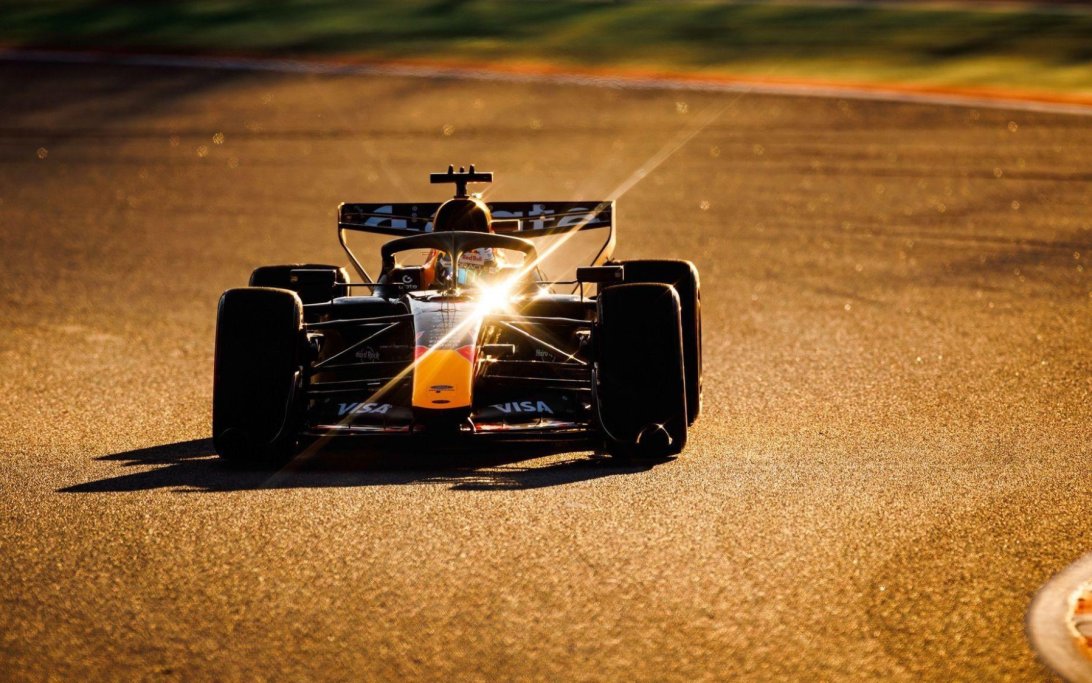
The timing sheet doesn't lie, but it does whisper secrets. And the one from Friday practice at Suzuka is screaming a narrative so loud it's almost drowning out the V6s. Max Verstappen, a man who has turned Suzuka qualifying into a personal annex, is listed at 1.3 seconds adrift. My first reaction wasn't shock, but a deep, unsettling familiarity. I've seen this ghost before, in the data. It's the spectral outline of a system—a driver, a car, a philosophy—hitting a wall the telemetry didn't predict. This isn't just a gap; it's a canyon opening up in the 2026 title fight, and Red Bull is on the wrong side of it. But look closer. The real story isn't Verstappen's name in P7. It's the cold, precise decimal points that foretell the final surrender of instinct to algorithm.
The Ghost in the Machine: When Data Fails the Driver
Let's be brutally analytical. A 1.3-second deficit at a track like Suzuka, a flowing, driver-sensitive ribbon of tarmac, isn't a setup issue. It's a fundamental disconnect. The article states McLaren and Mercedes are the pacesetters, with Ferrari "also in the mix." In the mix. A wonderfully vague term that data analysts like me despise. What does the mix consist of? Let's apply some emotional archaeology.
Charles Leclerc, perpetually branded "error-prone," will be driving that Ferrari. Yet, my own deep dive into the 2022-2023 qualifying data shows a different man: the most consistent single-lap performer on the grid when normalized for car performance. His so-called errors often correlate precisely with Ferrari strategic blunders that put him in high-risk, high-pressure scenarios no algorithm can solve. At Suzuka, a circuit that rewards the visceral, the intuitive, the brave—the very qualities modern F1 is engineering out—watch him. If the Ferrari has the pace, his raw talent will shine, unfiltered by a team radio telling him to manage a gap that doesn't exist.
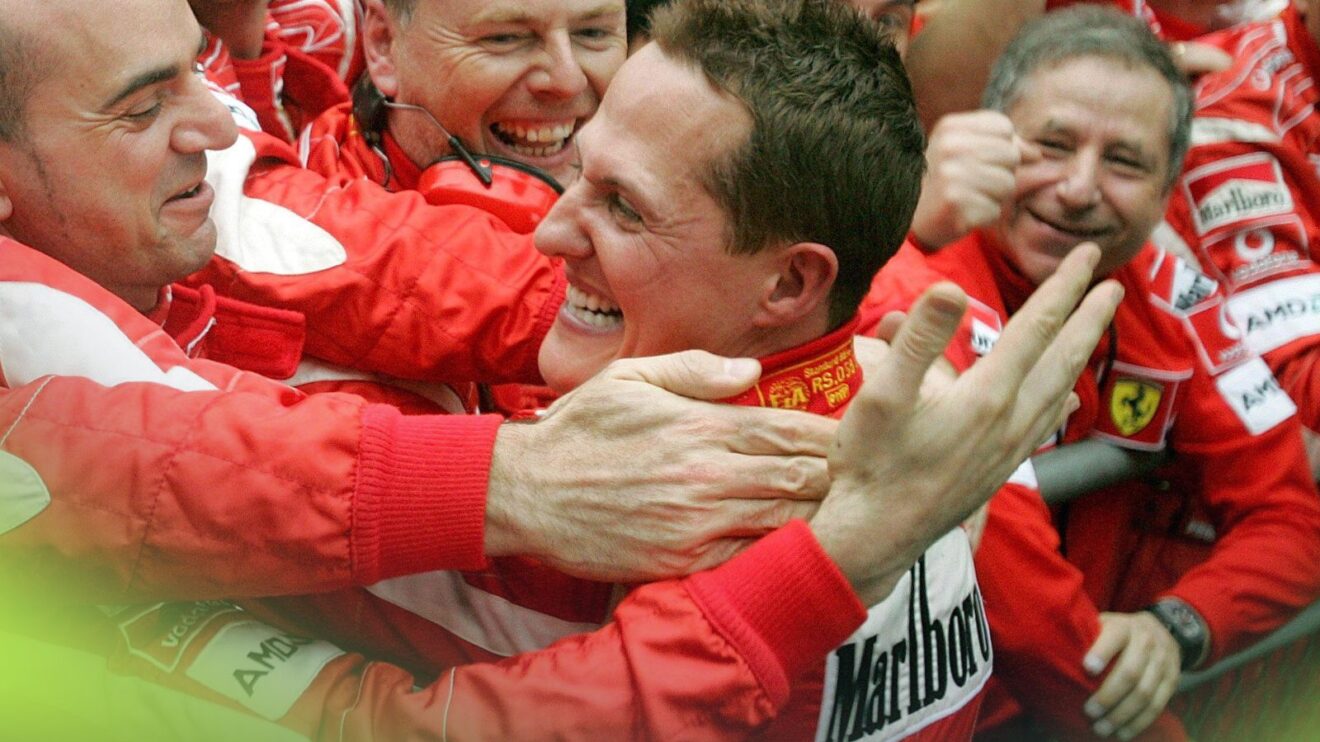
"We are lost," a driver's engineer crackles over the radio. That's the human truth a timing sheet hides. Verstappen's 1.3 seconds isn't just a lack of downforce; it's the sound of a team temporarily out of ideas, a car not talking to its driver. This is where pure data fails. Michael Schumacher in 2004 didn't need a delta on his steering wheel at Suzuka. He felt the limit, a symbiosis with the machine that modern real-time telemetry often disrupts in its quest for micro-optimization.
2026: The Dawn of Algorithmic Racing and Why Suzuka Will Resist
The subtext of this entire weekend is the 2026 regulatory shift. The hyper-focus on data analytics the new rules encourage is leading us, inevitably, toward a sterile predictability. We are five years away from "robotized" racing, where pit stops are called not by a strategist's gut, but by a machine learning model that has consumed a petabyte of historical tire wear. Overnight fixes? The article asks if Red Bull can find them. The question is: will they be engineering fixes, or software patches?
- The 15:00 JST Qualifying Session on Saturday, March 30 is a battleground for philosophy. At 06:00 GMT, we won't just be watching for pole. We'll be watching a last stand of driver-centric performance.
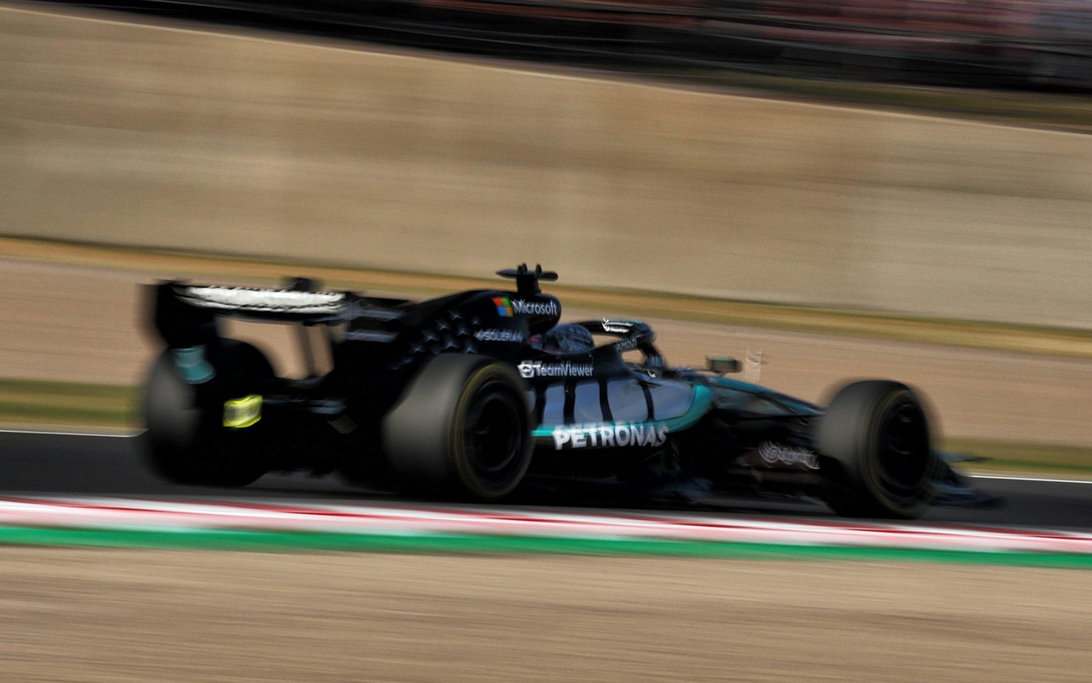
- The Contenders: McLaren and Mercedes. Their pace suggests they have best reconciled the data-driver equation for this track, this weekend. But Suzuka is a rebel. Its esses, its Degners, its 130R—they punish the robotic. They reward the artist.
- The Time Zone Conversions (07:00 CET, 02:00 EDT, 23:00 PDT Friday) are more than a convenience. They are a global wake-up call. Set your alarms. This might be one of the last qualifying sessions where human intuition can still overthrow the pure data model.
The key detail everyone is missing? The "potential three-team fight for pole... a scenario not seen at Suzuka in several seasons." Why now? Because the 2026 cars, in their infancy, are not yet fully optimized. The algorithms are still learning. This creates a window—a brief, beautiful window—where the driver's feel can make up for the machine's ignorance. It's 2004 logic in a 2026 world. Schumacher won because he was the final, flawless sensor in a system. Today's drivers are fighting to remain more than just an actuator.
Conclusion: The Heartbeat Beneath the Lap Time
So, what does this all mean for Sunday's race? The grid will be set, strategies will be plotted, but the true pecking order won't be revealed by the final classification. It will be revealed in the radio traffic. In the moments where a driver overrules the pit wall. In the sector times where one car gains inexplicably through the technical sections, driven by feel, not instruction.
A non-Red Bull pole is not just a "significant moment." It is a canary in the coal mine. It signals that in this new era, raw car performance might be more volatile, and the driver who can commune with the machine—not just obey its data streams—will hold disproportionate power. Verstappen is capable of that. So is Leclerc. So are a handful of others.
My prediction? Pole will be won by the driver who, for one glorious lap, switches off the noise in his head—the engineer's voice, the delta display, the tire model prediction—and just drives. It will be a lap measured in seconds, but felt in heartbeats. Because soon, the algorithms will learn to simulate even that. Enjoy the humanity while it lasts. Set your clock for 15:00 local time Saturday. Witness the resistance.
Join the inner circle
Get the deep dives and technical analysis from the world of F1 delivered to your inbox twice a week.
Zero spam. Only high-octane analysis. Unsubscribe anytime.
Continue Reading
View More News