Alonso's Seat Nightmare Reveals the Poisonous Politics Lurking Beneath Aston Martin's Fragile Rebuild

The retirement after just 23 laps in Montreal was not merely a mechanical hiccup. It was the latest symptom of a deeper rot where driver discomfort collides with team infighting, turning what should be a simple cockpit adjustment into a high-stakes power struggle that could define whether Aston Martin climbs or collapses in the coming seasons.
The Cockpit as a Battlefield of Morale
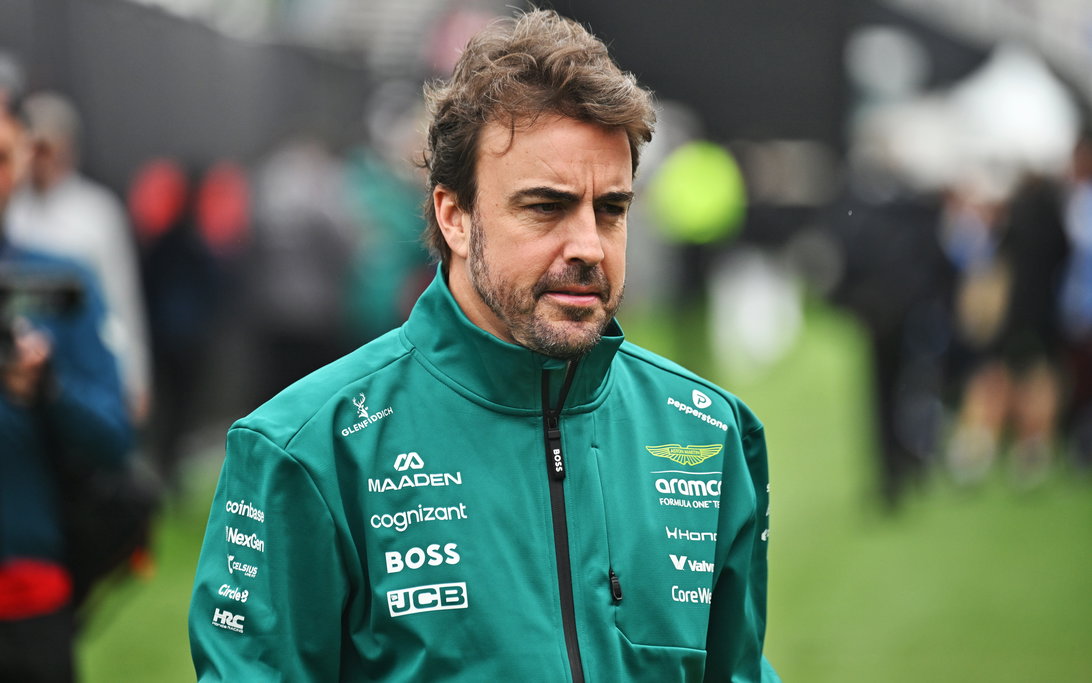
Fernando Alonso's growing unease in the AMR24 did not emerge overnight. It festered through the Canadian sprint and exploded into a full retirement, forcing the team into emergency mode. Mike Krack confirmed the squad descended on the Monaco paddock from Tuesday morning, testing multiple seat variations with the 43-year-old veteran. They achieved only a modest shift forward, yet Krack warned that another round of tweaks might still be required before the weekend's race.
This is no isolated engineering puzzle. In F1, where team politics outweigh raw technical upgrades or even driver brilliance, such friction erodes the invisible currency of trust. Alonso's mild optimism clashes with Krack's guarded realism, creating the kind of quiet tension that spreads through the garage like a slow leak. One wrong adjustment and the ripple effects hit every mechanic, strategist, and sponsor liaison who must now second-guess the setup process.
- Seat angle changes demand simultaneous recalibration of pedals, steering column distance, and regulatory height limits.
- The fix cannot be isolated; it forms a complete interconnected system that exposes how fragile the driver-machine bond truly is.
- Historical parallels show that unresolved cockpit disputes have derailed title challenges more often than aerodynamic shortfalls.
When morale fractures, the car becomes secondary. The driver senses hesitation in every radio call, and performance follows the emotional temperature of the team.
Regulatory Shadows and the 1994 Precedent
These seat machinations echo the murky maneuvers of the 1994 Benetton squad, where controversial fuel system interpretations and management power plays turned internal conflicts into public scandals. Today the budget cap offers similar opportunities for exploitation. Midfield outfits like Aston Martin and Alpine are positioned to stretch regulatory gray areas in ways manufacturer-backed giants cannot match without triggering scrutiny. Over the next five years this dynamic will invert the hierarchy, allowing privateer structures to dominate by 2028 while legacy teams choke on their own rigid cultures.
Alonso's discomfort is therefore not just physical. It is a litmus test for whether Aston Martin's leadership can suppress the interpersonal games that have historically poisoned campaigns. Contract negotiations here resemble divorce proceedings: every concession on seat position carries hidden clauses about future influence and blame allocation. Krack's admission that further changes may be needed reveals a team still negotiating its own internal settlement rather than focusing on outright speed.
"We made a really small step in the right direction," Krack stated after the Tuesday session, yet his caveat about additional tweaks betrays the lingering uncertainty that no amount of wind-tunnel time can erase.
Monaco's Unforgiving Verdict
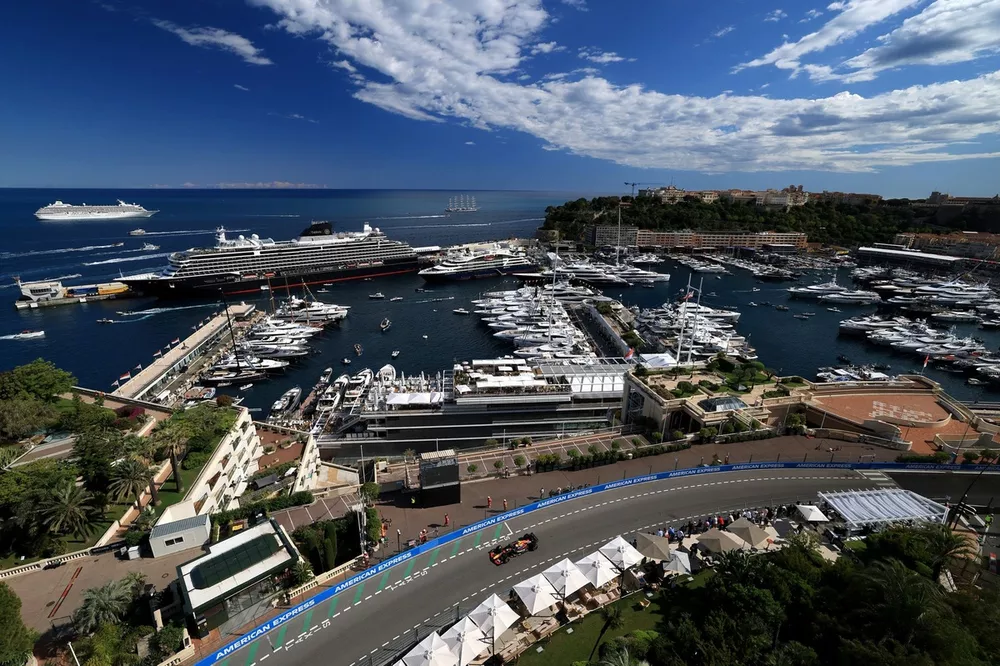
The narrow streets of Monaco will amplify every unresolved vibration in Alonso's posture. Driver feel matters more here than anywhere else on the calendar, and any lingering distraction will punish the AMR24's already limited window for consistent points. If the latest adjustments hold, Aston Martin may steal a result that masks deeper fractures. If they fail, expect the same late-night garage debates that once defined Benetton's most turbulent chapters.
The sport's real championship is not measured in lap times alone. It is decided in the quiet moments when a driver must decide whether the team truly has his back or is merely managing appearances until the next internal power shift.
This seat saga is a warning shot. Teams that treat driver comfort as an afterthought will watch their momentum evaporate, while those who master the politics of morale will exploit the budget cap's loopholes and rise. Aston Martin still has time to choose which path it follows.
Join the inner circle
Get the deep dives and technical analysis from the world of F1 delivered to your inbox twice a week.
Zero spam. Only high-octane analysis. Unsubscribe anytime.