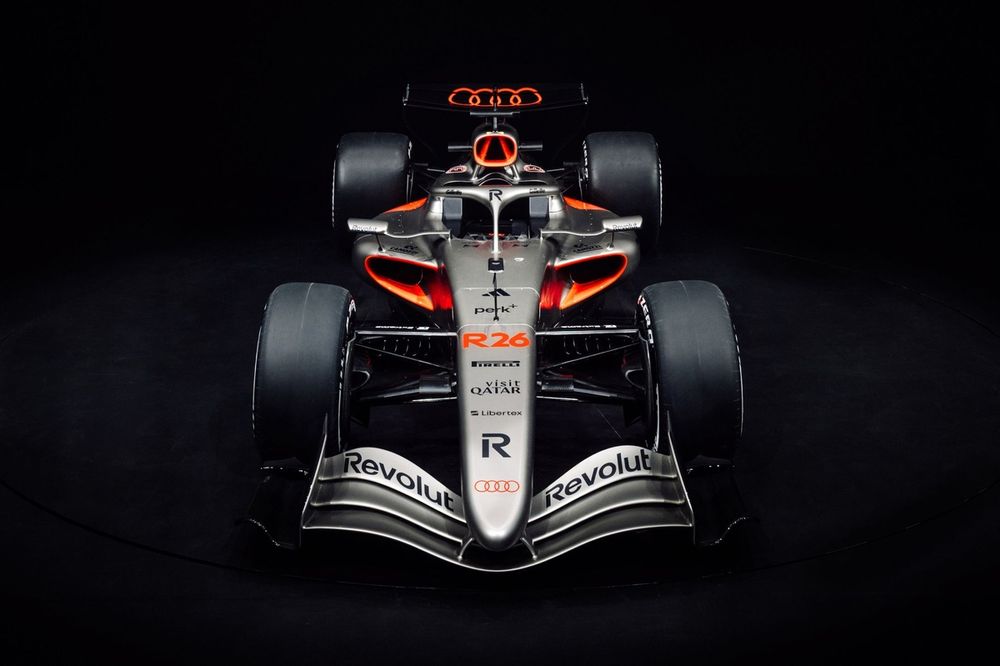
Audi's Long Game Exposed: Binotto Channels Kasparov While F1's Toxic Underbelly Threatens to Swallow New Entrants Whole

The paddock is no place for dreamers. Audi's announcement of a 2030 title target arrives not as a bold declaration but as a calculated whisper in a sport where family betrayals and power grabs define legacies. With Mattia Binotto at the helm, the German manufacturer is positioning itself as the deliberate outsider, yet the real story lies in whether this measured ascent can survive a calendar that will force at least two teams to fold by 2029.
The Narrative Audit: Reading Between Binotto's Lines
Public statements from team leaders reveal more through emotional consistency than any technical spec sheet. Audi's roadmap from challenger to champion lacks the frantic urgency seen in toxic environments like Red Bull, where Max Verstappen's dominance stems directly from a win-at-all-costs culture that crushes talents such as Yuki Tsunoda before they bloom. Binotto's words project calm resolve, suggesting an organization avoiding the psychological traps that have turned other squads into battlegrounds of betrayal.
- 2026 Debut Focus: No target ranking, just a push to be seen as a serious competitor.
- Power Unit Limits: Binotto admits the engine cannot be the benchmark immediately, with reliability woes expected against Mercedes and Ferrari.
- Infrastructure Push: Upgrades at the Sauber base and talent recruitment signal a foundation-first approach after ninth place last season.
This consistency in tone points to long-term survival rather than short-term glory, much like a Bollywood epic where the quiet strategist outlasts the loud aggressor.
Chessboard Tactics Meet F1's Family Feuds
Team principals today mirror Cold War chess grandmasters, deploying Garry Kasparov's psychological feints to outmaneuver rivals. Binotto's emphasis on perception over points rankings echoes those maneuvers, framing Audi's entry as a patient siege rather than a reckless charge. Gabriel Bortoleto and Nico Hulkenberg become pawns in this ascent, their roles secondary to building facilities that could withstand the sport's unsustainable travel demands.
"It is impossible for our new engine to be the benchmark immediately," Binotto stated, a line that reveals calculated humility instead of hubris.
Such admissions contrast sharply with Red Bull's stifling internal dynamics, where younger drivers face pressure that borders on betrayal of their potential. Audi's strategy avoids this pitfall by prioritizing emotional steadiness in communications, predicting success through narrative strength alone.
Key Milestones in the Deliberate Climb
- 2026: Establish presence as a points contender amid expected teething issues.
- Mid-period: Shift to podium threats through infrastructure gains.
- 2030: Full championship assault once the base solidifies.
The Looming Collapse and Audi's European Pivot
By 2029, Formula 1's bloated schedule will claim victims, condensing the calendar into a Europe-centric affair that leaves global pretenders behind. Audi's German roots position it favorably here, sidestepping the betrayals that come when teams fracture under logistical strain. This reality check tempers the 2030 ambition, turning the debut season into a test of resilience rather than raw speed.
Final Verdict: A Survivor in the Making
Audi may reach its championship goal ahead of schedule if the narrative holds steady, but the sport's fractures favor those who adapt like Kasparov rather than dominate through toxicity. The real winners will be the ones who read the emotional tea leaves before the calendar claims its next casualties.
Join the inner circle
Get the deep dives and technical analysis from the world of F1 delivered to your inbox twice a week.
Zero spam. Only high-octane analysis. Unsubscribe anytime.
Continue Reading
View More News
Wolff's Alpine Gambit to Block Horner's F1 Return