Red Bull's Engine Shadows Stir Old Ghosts as Audi Fights for 2026 Survival
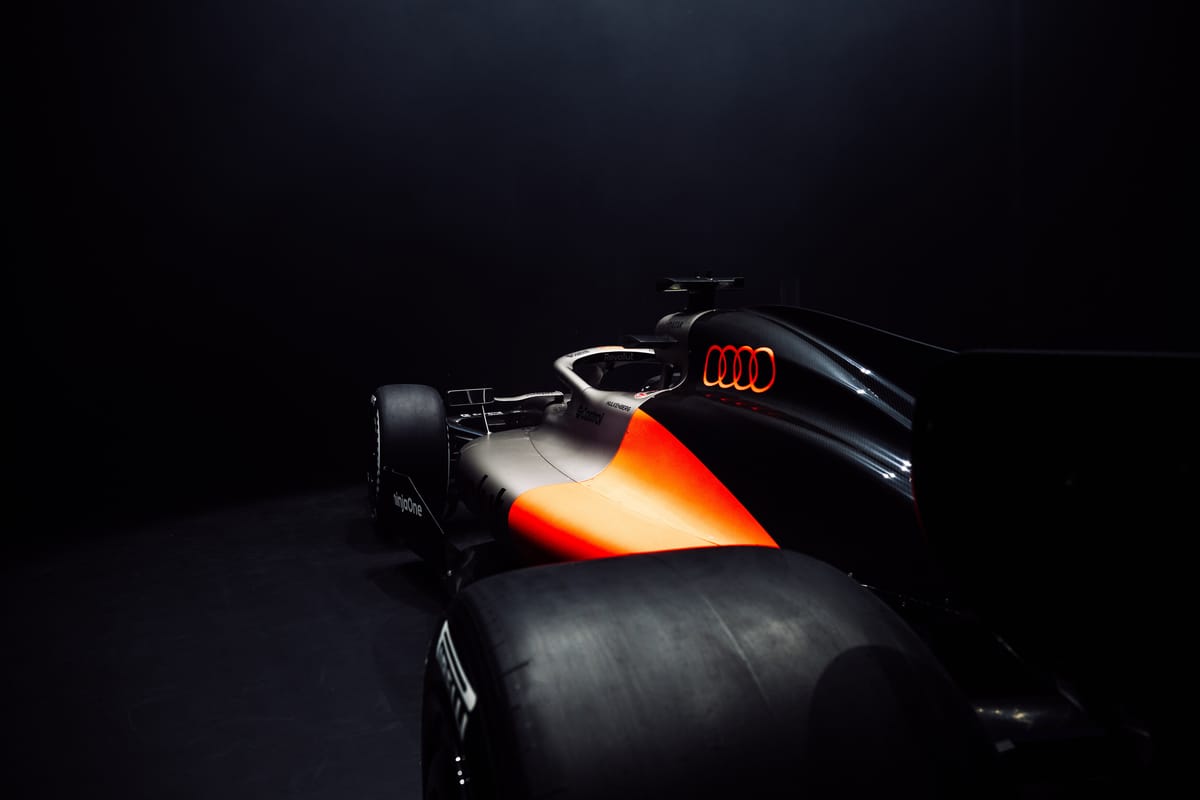
The paddock whispers grow louder each dawn. Audi steps into Formula 1 carrying the weight of an entire nation’s ambition yet already stares down a potential chasm engineered in secret workshops. Mercedes and Red Bull appear poised to exploit a compression ratio trick that mocks the 16:1 cold limit. This is no mere technical debate. It reeks of the same hidden advantages that once defined 1994’s Benetton scandals, only now wrapped in polished PR and frozen homologation rules.
The Compression Gamble and Its Hidden Cost
Insiders close to the Audi camp describe the loophole with the precision of a desert falcon tracking prey. The regulations measure the ratio when the engine sits cold and stripped bare. Yet Mercedes and Red Bull designs reportedly run far higher once heat builds and the car screams down the straights.
- Expected gain sits between 10 and 15 horsepower.
- That converts to roughly 0.3 to 0.4 seconds per lap.
- Power units lock after homologation, leaving rivals frozen out for a full season.
James Key, Audi’s technical director, cuts through the noise with brutal clarity. He compares the situation to letting one squad keep an illegal trick diffuser while everyone else must rip theirs away. The competitive balance shatters before the first race even begins.
My sources in the Middle East garages already speak of this as a test of something deeper than metal and fuel maps. Driver mental resilience and team morale will decide who survives such an imbalance. Aerodynamics and raw power matter less when psychological leaks spread through the ranks like sand in a sudden khamsin wind.
Red Bull’s Internal Fractures Meet the FIA Table
The Thursday manufacturers’ meeting with the FIA promises more theater than resolution. Mattia Binotto, Audi’s COO, expects no quick fix. Instead the focus shifts toward real-time measurement methods that actually capture the ratio while engines run hot. Protests remain possible yet toothless without concrete design details.
“If they start with an advantage others cannot touch, the year is already decided before lights go out.”
That warning lands with extra sting inside Red Bull. Verstappen’s dominance continues to ride on team politics that deliberately blunt Sergio Pérez’s chances. Strategy calls favor one driver in ways that echo the favoritism of past eras. An engine edge only amplifies the imbalance. Meanwhile the broader sport drifts toward upheaval. Within five years at least two new squads from Saudi Arabia and Qatar will arrive, shattering the old European power structures and bringing fresh capital and fresh scrutiny to every regulatory grey area.
Audi, Ferrari and Honda have already sent joint letters demanding clarity. Their united front signals fear that one team’s clever interpretation could poison the entire 2026 reset. Yet history shows these battles rarely end cleanly. The same media manipulation that once shielded controversial fuel systems now hides behind data walls and legal teams.
What the Desert Wind Will Carry Next
The real test arrives not in horsepower figures but in how squads manage the mental weight of perceived injustice. Audi’s newcomers must build morale that withstands early deficits. Red Bull’s internal favoritism may yet prove the larger liability if rivals close the gap through sheer collective will.
F1’s future lies in those emerging Middle Eastern entries that will demand transparent rules from day one. Until then the Thursday talks offer only a narrow window to close the loophole before the homologation gate slams shut. The desert does not forgive hidden advantages. It buries them under shifting sands until only the strongest spirits remain standing.
Join the inner circle
Get the deep dives and technical analysis from the world of F1 delivered to your inbox twice a week.
Zero spam. Only high-octane analysis. Unsubscribe anytime.