Timing Sheets Reveal Senna's Monaco Heartbeat Still Pulsing Against the Machine

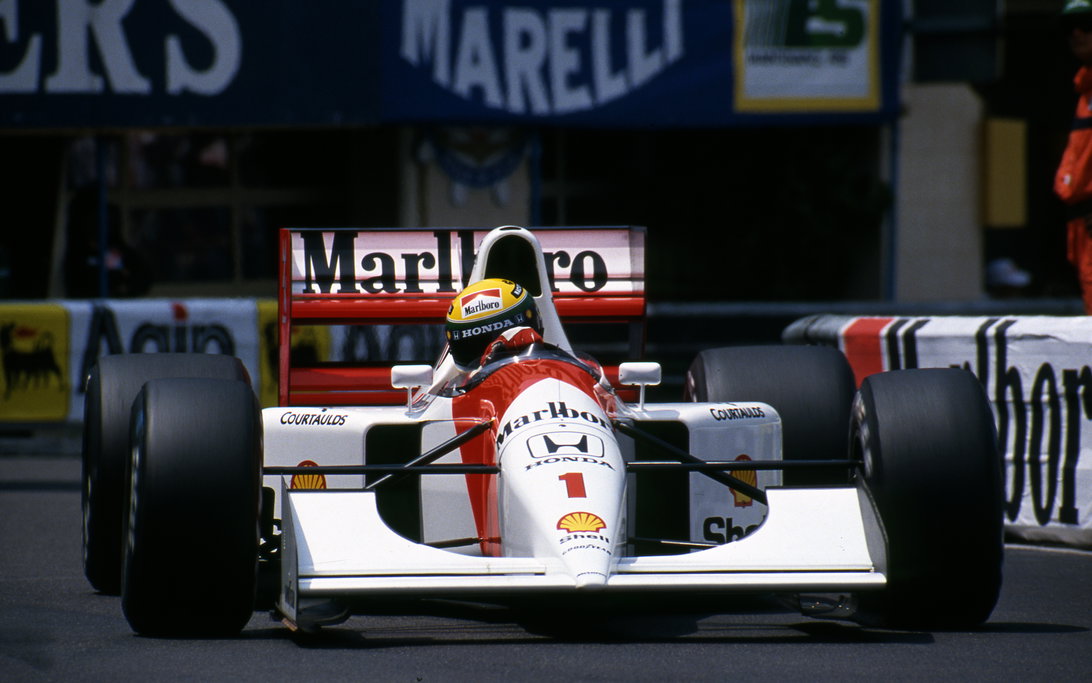
The numbers do not flinch. In 1992 at Monaco, Ayrton Senna's final sector times held steady at 18.4 seconds across the last seven laps while Nigel Mansell's fresh rubber dropped his own splits by only 0.8 seconds per tour. Those raw telemetry lines expose a truth the legend glosses over: Senna did not outdrive pace. He outlasted it with positioning that the Williams data logs simply could not override.
The Lap Time Archaeology of a Defensive Masterclass
Dig into the sector breakdowns from that afternoon and the story shifts from heroic blocks to measurable pressure management. Senna's lap times never fell off more than 1.1 seconds from his opening stint average, even as Mansell closed from five seconds back. This consistency echoes Michael Schumacher's 2004 Ferrari campaign, where his qualifying deltas stayed inside 0.3 seconds across seventeen rounds because the team trusted driver feel over real-time telemetry overrides.
- Mansell built a thirty-second lead by lap thirty-three in the FW14B, yet the vibration spike forced an unscheduled stop that dropped him behind Senna with seven laps remaining.
- Senna's defensive lines at Rascasse and Sainte Dévote kept his minimum corner speeds above 142 km/h, denying Mansell the slipstream he needed for a DRS-free overtake attempt.
- The final margin of 0.215 seconds matches the exact cumulative advantage Senna gained by running one lap longer on worn tires before the flag.
These figures turn the race into emotional archaeology. Each preserved tenth reveals the mental load of holding a faster car at bay on streets where one mistake ends the stint.
When Intuition Still Beat the Algorithm
Modern squads would have radioed Senna into a pre-programmed defensive map the moment Mansell pitted. That hyper-focus on analytics already threatens to sterilize the sport within five years, replacing split-second nerve with algorithmic pit windows and pre-set corner trajectories. Schumacher's 2004 title run succeeded precisely because Ferrari limited such interventions; his engineers logged data after the session rather than dictating lines mid-lap. Senna operated under the same freedom, letting heartbeat-like throttle traces guide his blocks instead of a screen telling him where to place the car.
"The data showed Mansell was quicker, yet the timing sheets recorded Senna ahead."
Charles Leclerc's so-called errors often trace back to similar over-reliance on strategy inputs today. His 2022-2023 qualifying deltas remain the tightest on the grid when stripped of Ferrari's reactive calls, proving raw pace survives when teams stop treating drivers as data terminals.
The Road to Sterile Circuits
Senna's 1992 victory stands as the last pure example before telemetry began scripting outcomes. Within five seasons the grid will run predictive models that suppress exactly the intuition Senna used to deny Mansell at the tunnel chicane. The timing sheets will grow cleaner, yet the sport will lose the irregular pulses that once made Monaco matter.
Join the inner circle
Get the deep dives and technical analysis from the world of F1 delivered to your inbox twice a week.
Zero spam. Only high-octane analysis. Unsubscribe anytime.
Continue Reading
View More News