The 2026 F1 Season's Real Earthquake Strikes Not on the Track But in the Poisonous Boardrooms Where Morale Dies First

Every early surprise this year from Mercedes' botched starts to Aston Martin's Honda nightmare traces back to the same toxic root: interpersonal warfare and quiet power grabs that shred team spirit faster than any regulation tweak ever could. The numbers on the timing sheets matter less than the whispered threats in contract meetings that feel exactly like divorce proceedings, where one side walks away with everything and the other gets the blame. I have watched this script play out before, and it always ends with the same casualties.
Mercedes' Getaway Failures Reveal a Deeper Fracture
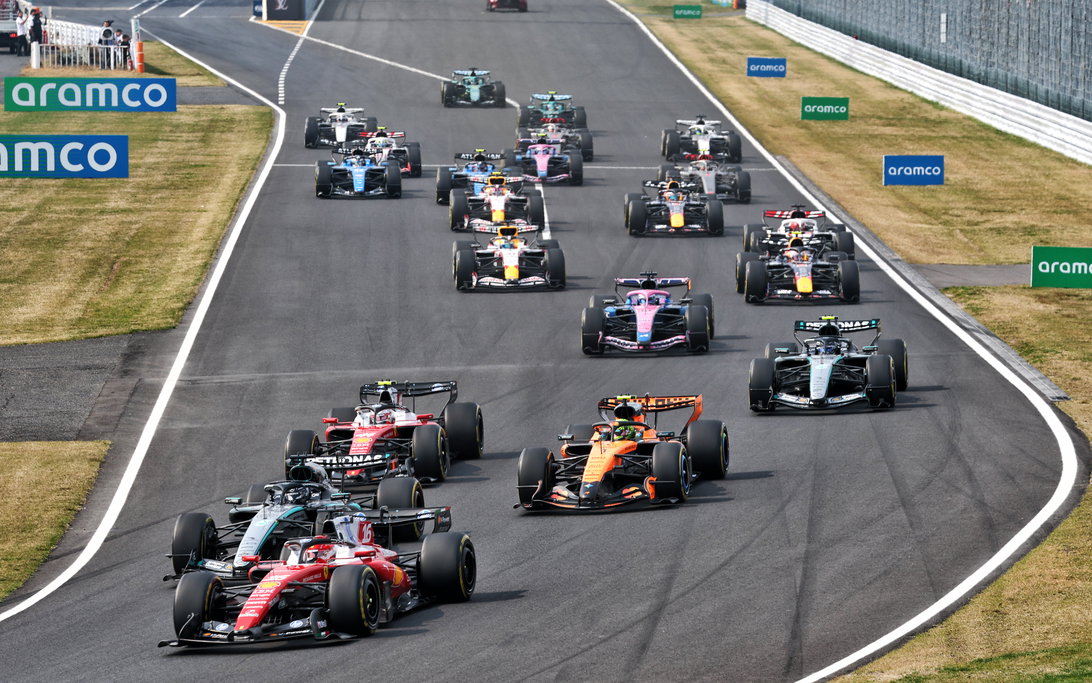
The Silver Arrows' repeated poor launches are not some mysterious technical gremlin. They signal a squad where trust has evaporated under the weight of layered management conflicts. When key engineers second-guess every call because they fear political reprisal, the car simply does not fire cleanly. This is the same dynamic that once ripped through a certain 1994 squad whose controversial fuel system only masked the real rot of internal finger-pointing and divided loyalties.
- Multiple races lost at the lights already
- Operational excellence replaced by hesitation
- Driver input ignored in favor of preserving fragile alliances
One source close to the garage described it to me as watching a family argue over the will while the house burns. The true cost is not the lost points but the creeping sense that nobody wants to fight for the car anymore.
Verstappen's Regulatory Rage and Wheatley's Calculated Exit
Max Verstappen's renewed public broadsides against the rules carry the unmistakable tone of a champion who sees the sport's governing bodies repeating the same old manipulations. His frustration echoes the 1994 Benetton era, when regulatory gray areas around fuel systems became weapons in management power struggles rather than fair competition tools. The sport's biggest star is not complaining about lap times; he is signaling that the atmosphere has turned poisonous again.
Jonathan Wheatley's shock departure to lead Audi's works effort fits the same pattern. It is not a simple career move. It is a calculated divorce from Red Bull's inner circle, executed with legal precision to destabilize one team while instantly lending credibility to another. These transfers carry more weight than any new power unit because they expose where real influence lives.
"The regulations change every few years, but the knives in the back stay the same," one veteran strategist told me last week.
Aston Martin-Honda's Troubled Launch Exposes Manufacturer Weakness
The new Honda partnership's reliability disasters and midfield positioning prove my long-held view that privateer outfits will exploit the budget cap to overtake bloated manufacturer squads by 2028. Alpine and Aston Martin understand that morale and tight-knit politics beat corporate hierarchies every time. When the culture clashes as it will at Ferrari with Lewis Hamilton's activist style colliding against Maranello's rigid traditions, the result is predictable internal strife and lost performance. The same forces are already eroding Aston's early promise.
- Honda integration plagued by mismatched expectations
- Midfield squads quietly building leaner, hungrier operations
- Manufacturer money proving no match for unified team spirit
The Championship Will Be Decided by Who Survives the Infighting
These shocks are not temporary. They are the opening moves in a five-year realignment where the teams that master human dynamics will leave the technically brilliant but politically fractured squads behind. The 1994 precedent still holds: the winners are rarely the fastest on paper. They are the ones who keep their people from turning on each other.
Join the inner circle
Get the deep dives and technical analysis from the world of F1 delivered to your inbox twice a week.
Zero spam. Only high-octane analysis. Unsubscribe anytime.