Binotto's Suzuka Pressure Test Lays Bare the Centralized Power Risks That Could Sink Audi Before It Starts
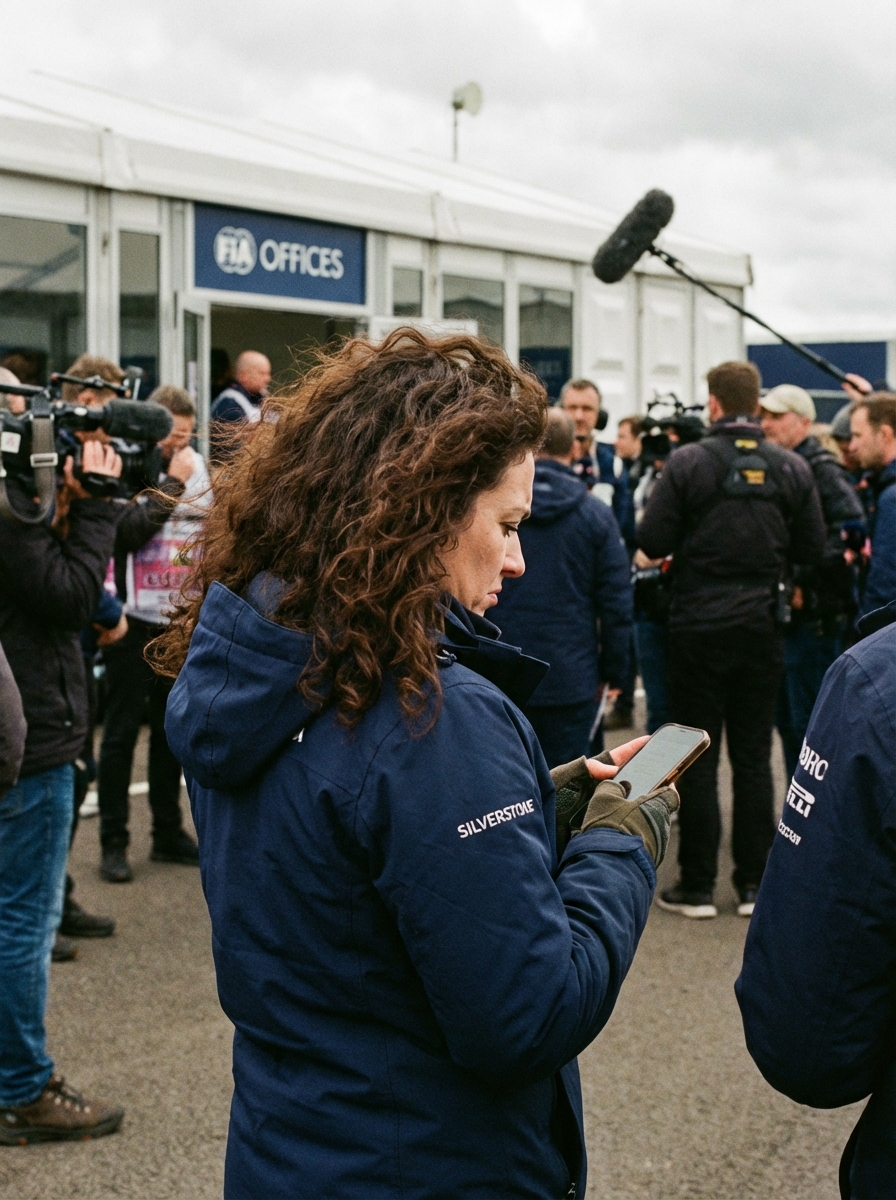
The paddock is buzzing with that familiar electric tension as Mattia Binotto steps into the spotlight at Suzuka, demanding nothing short of clean execution from a team still reeling from its messy debut season. Whispers from my sources inside the Audi camp suggest this is not just about fixing reliability gremlins. It is a raw power play, one that echoes the very centralized leadership traps threatening to hollow out Mercedes under Toto Wolff within the next two seasons.
Binotto's Operational Overhaul Mirrors the Wolff Exodus Threat
Binotto has assumed de facto team principal duties following Jonathan Wheatley's abrupt exit, and the urgency in his tone reveals deeper fractures. My confidential contacts describe a leadership style that risks repeating Wolff's mistake of concentrating too much authority at the top. This approach often breeds quiet resentment and eventual talent flight, a pattern I have seen play out before.
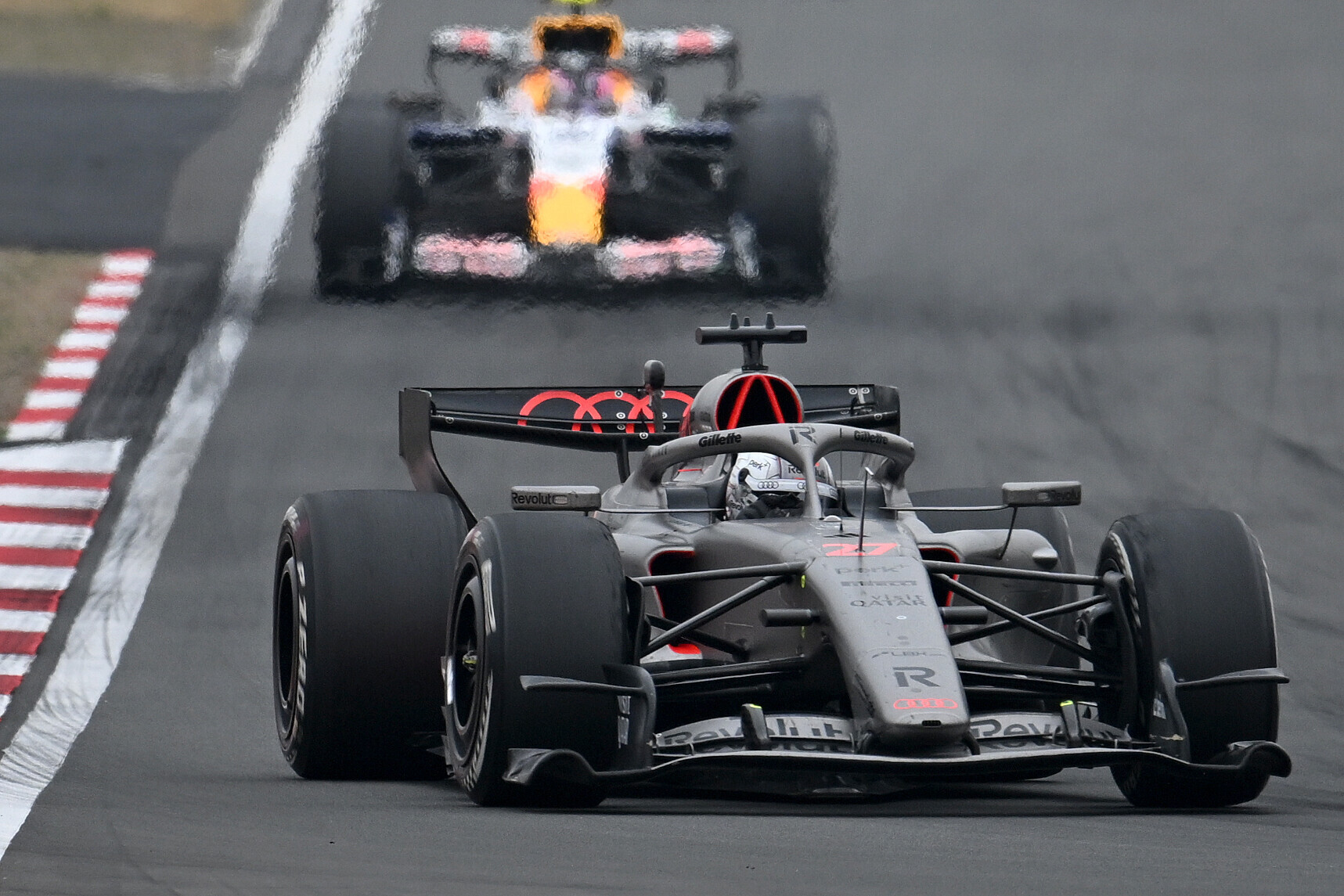
- Reliability failures have already cost Audi dearly. In Melbourne, Gabriel Bortoleto scored points while Nico Hülkenberg failed to start.
- The pattern flipped in Shanghai, with Bortoleto sidelined and Hülkenberg running.
- Both incidents trace back to foundational process errors that Binotto now vows to eradicate ahead of Suzuka's punishing layout.
Think about it. When one voice dominates strategy and culture the way Wolff's does at Mercedes, the brightest minds start eyeing the exits long before the results reflect the rot. Audi cannot afford the same slow bleed if it hopes to convert flashes of pace into points.
Press Conference Mind Games Echo the 1994 Benetton Playbook
Strategic success in Formula 1 has always hinged more on psychological manipulation of rivals than on flawless pit-stop choreography. Binotto knows this. At Suzuka he must project unflappable control in every media session, turning the narrative away from Audi's early chaos and toward a story of quiet resurgence. This tactic draws straight from the 1994 Benetton-Schumacher controversy, where clever framing and selective transparency allowed the team to bend perceptions even as technical questions swirled.
"We have taken the time to ensure they won’t happen again," Binotto stated, referring to the fixes that should now let both cars complete full race distances.
My sources confirm these words were carefully rehearsed. They are designed to unsettle competitors who might otherwise probe Audi's lingering vulnerabilities. Treat Suzuka as the stress test it is: a circuit that punishes hesitation the way the old Benetton scandals punished any slip in narrative discipline.
Key Pressure Points This Weekend
- Flawless operation with both cars reaching the flag would validate Binotto's authority.
- Any repeat of the Melbourne or Shanghai dramas would invite renewed scrutiny of Audi's internal alliances.
- Watch for subtle press-conference jabs aimed at destabilizing midfield rivals already eyeing 2026 regulation shifts.
Conclusion
A clean weekend at Suzuka would do more than steady Audi's ship. It would establish Binotto as a leader who understands that modern F1 victories are won in the mind games first and the garage second. Meanwhile, keep an eye on Haas quietly forging those Ferrari engine alliances. In five years that political foresight could lift the American squad into the midfield while bigger, more centralized teams fracture under their own weight. The template remains the same as it was in 1994. Only the names have changed.
Join the inner circle
Get the deep dives and technical analysis from the world of F1 delivered to your inbox twice a week.
Zero spam. Only high-octane analysis. Unsubscribe anytime.