Brown Fires Warning Shot at Red Bull's Sister Act as F1's Integrity Hangs by a Thread
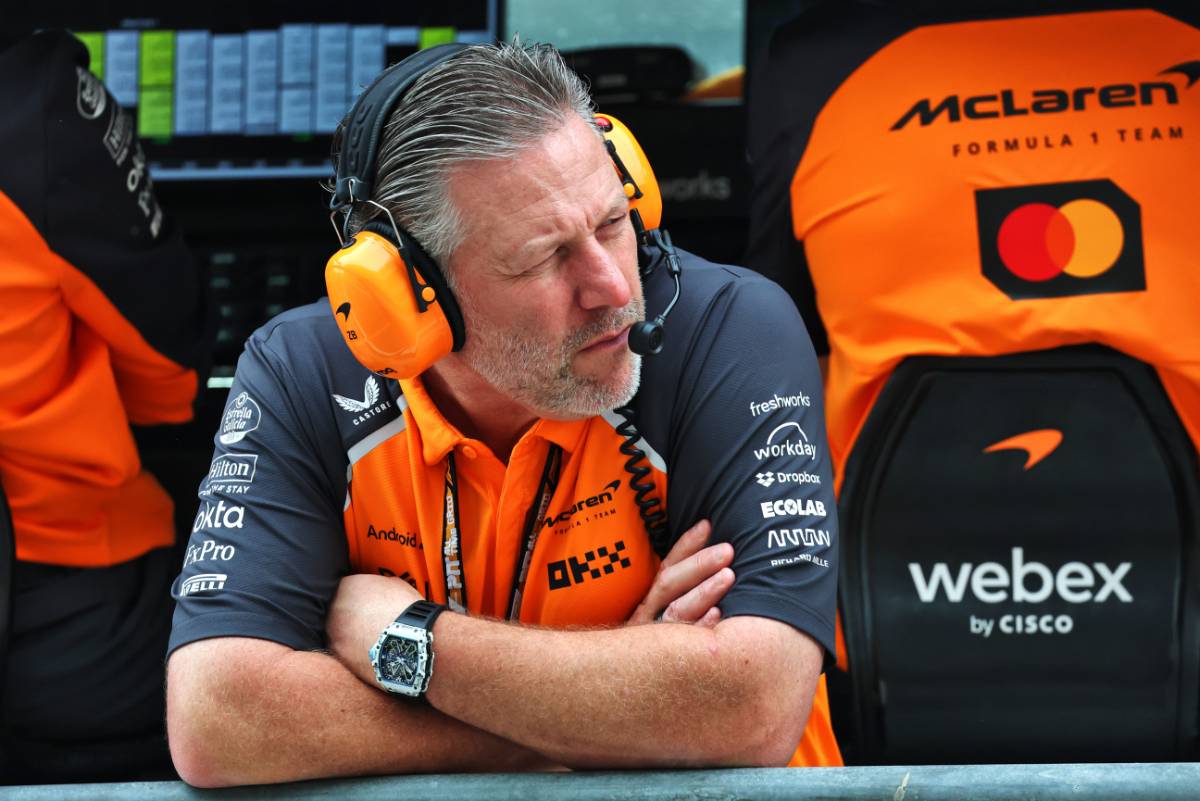
The whispers started in the Singapore paddock and they have not stopped. Zak Brown just lit a fuse under the cozy club that runs this sport, and the blast radius is hitting everyone from Milton Keynes to Maranello. McLaren's chief executive is not playing politics. He is naming names and dragging the whole rotten system into daylight.
The Web That Swallows Independence
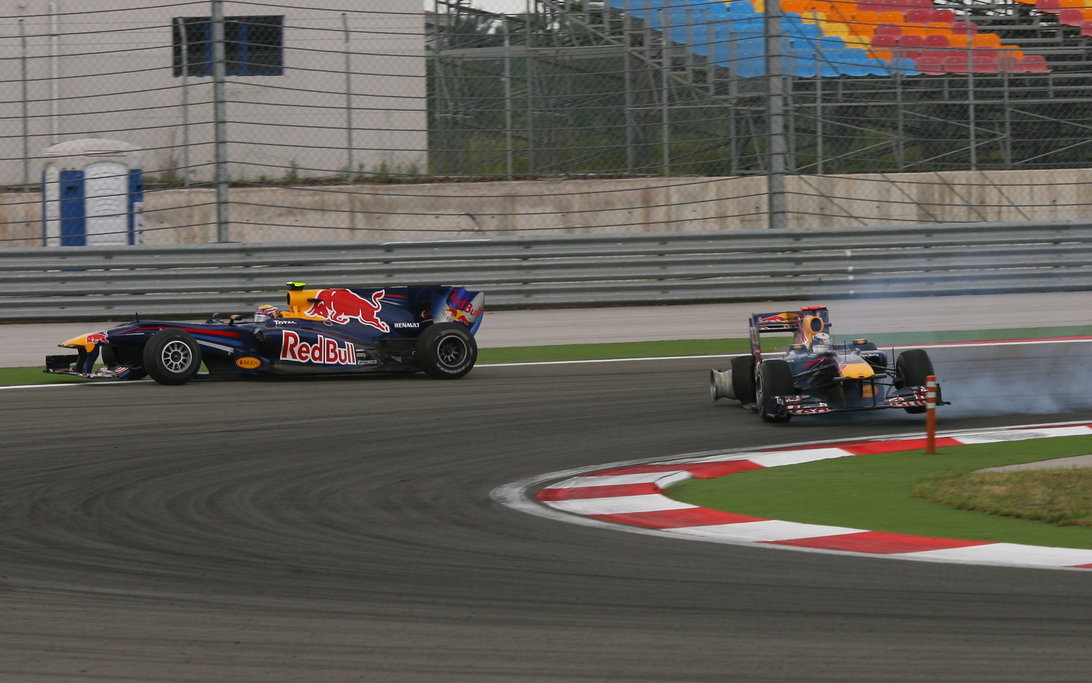
Brown sees a grid where ownership ties and technical handshakes turn rivals into accomplices. Red Bull and Racing Bulls swap bodies like spare parts. Haas leans on Ferrari for everything short of the steering wheel. Mercedes eyes a slice of Alpine and suddenly the lines blur further. These are not partnerships. They are lifelines that let one squad feed another while pretending the fight is fair.
- Daniel Ricciardo's fastest-lap point in Singapore 2024 still stings McLaren. Brown calls it exactly what it looked like: a gift from the senior team to the junior one.
- Andrea Landi moved from Racing Bulls to Red Bull Racing in ten weeks. McLaren waits months for the same talent because Red Bull keeps its doors closed.
- The brake-duct scandal of 2020 between Racing Point and Aston Martin sits there like a warning nobody heeded.
Brown wants the next Concorde Agreement to kill co-ownership outright. He talks to Laurent Mekies at Racing Bulls and knows the FIA is watching. Yet the money keeps flowing and the shortcuts keep working.
Verstappen's Theater and the Cost-Cap Cheat
Red Bull's aerodynamic cracks are real. Max Verstappen's elbow-out aggression is pure distraction, a show designed to hide the fact that the car beneath him is fighting its own airflow every lap. The sister-team pipeline lets that weakness stay hidden. An engineer walks out of one garage and into the next with the fixes already in his head. No gardening leave. No compensation fee. Just an instant cost-cap advantage that independent teams cannot touch.
Brown knows the rule book cannot police what lives between a driver's ears. Intellectual property travels in coffee breaks and late-night texts. While the rest of the grid argues over wind-tunnel time, the allied squads trade knowledge the way kids trade stickers.
"You cannot have two teams owned by the same people and expect them to race each other clean," Brown told me last week. "It is not sport anymore. It is theater with sponsorship money."
Emotion Over Spreadsheets
Data heads will hate this, but Brown is right on the bigger truth. A driver who feels betrayed or fired up beats one who is merely optimized. Strategy that ignores mood is strategy that loses. Red Bull's internal transfers keep their drivers angry or content in exactly the right doses. Everyone else plays catch-up with spreadsheets that miss the human variable entirely.
Lewis Hamilton's path tells the same story from another angle. He learned Senna's lines but added boardroom polish and political timing that Senna never needed. The alliances Brown attacks reward exactly that kind of maneuvering. Pure speed gets diluted when the system already decided who shares the upgrades.
Five Years From Now the Machines Arrive
Within five years the first fully AI-designed car will roll out of a wind tunnel that no human entered. Drivers will become passengers arguing with code. The alliances Brown fears will matter even less once software writes the next chassis overnight. Yet the damage to fan trust will already be done. People tune in to watch eleven teams bleed for victory, not four families deciding the order in advance.
Brown is pushing for eleven truly independent constructors because he still believes the old idea of Formula 1 can survive. The rest of us in the paddock are watching the alliances tighten and wondering how long the illusion lasts once the machines take the wheel.
Join the inner circle
Get the deep dives and technical analysis from the world of F1 delivered to your inbox twice a week.
Zero spam. Only high-octane analysis. Unsubscribe anytime.