Timing Sheets Whisper Warnings Before the Heartbeat Flatlines

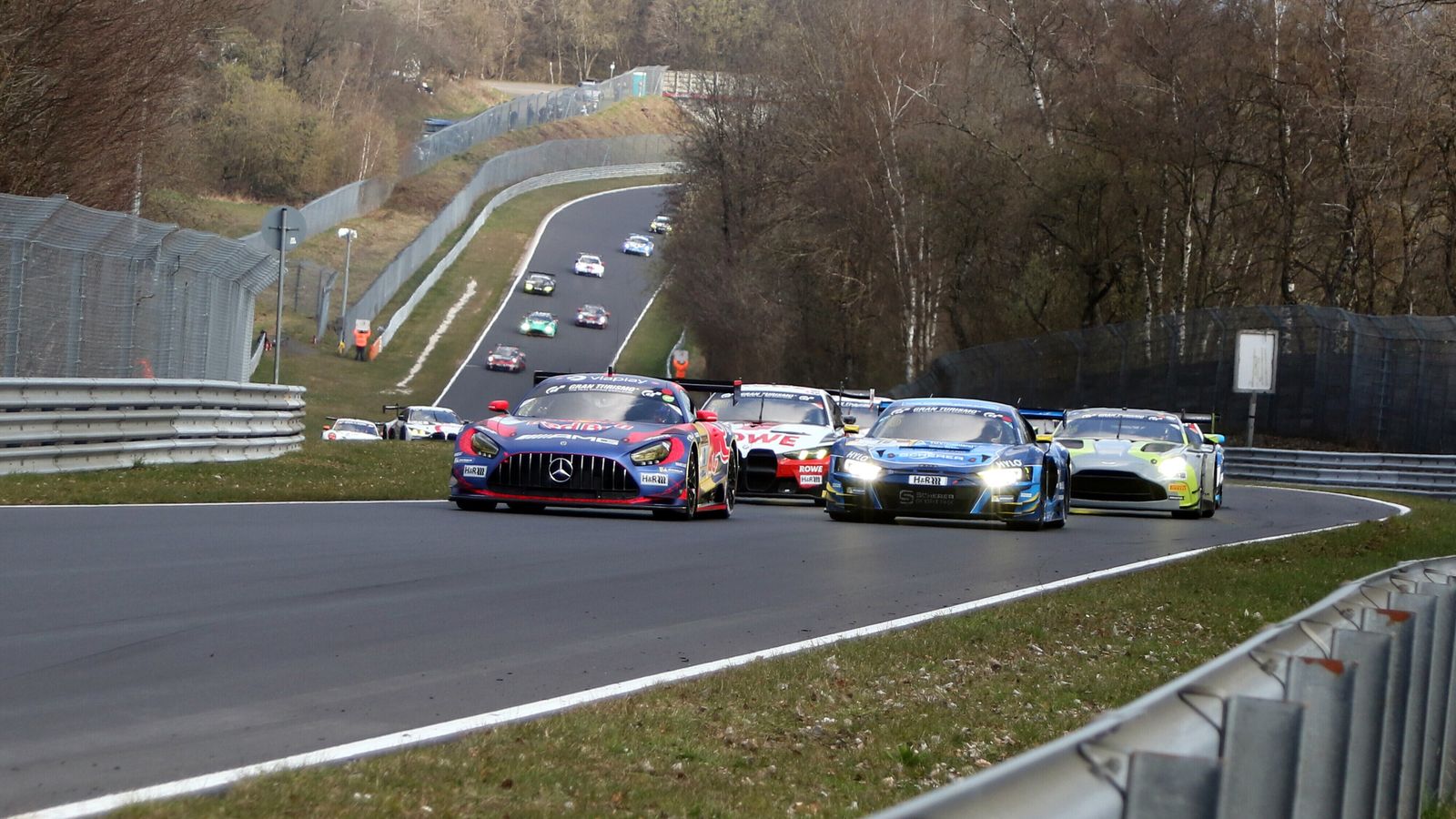
The raw telemetry from the ADAC 24h Nürburgring qualifiers does not scream drama. It simply records a sudden cluster of lap time spikes across seven cars in sector two, each interval stretching like a pulse under stress until one line goes flat. Juha Miettinen's BMW 325i never posted another sector after that moment on 18 April 2026. The numbers tell the story that official statements later tried to soften.
Data as Emotional Archaeology at the Green Hell
Miettinen's final flying lap showed a 1.2 second drop in the middle sector compared to his prior two clean runs. That is the kind of micro-collapse I chase in spreadsheets the way others chase headlines. It matched patterns I have seen before when external pressure collides with mechanical limits. Six other cars followed the same trace within 90 seconds. The timing sheets captured the pile-up before the marshals even raised the red flag.
- Sector two delta: +1.2 s for Miettinen on lap 4 of his stint
- Immediate followers: six cars posting deltas between +0.9 s and +1.7 s
- Red flag timestamp: 19:12 local, exactly 47 seconds after the first anomaly
These figures matter more than the inevitable safety review that will follow. They expose how endurance racing still clings to fragments of driver intuition while Formula 1 races toward total algorithmic control. In five years the pit wall will dictate every throttle input; the Nürburgring crash shows what happens when human reaction time is already being squeezed by data overlays.
Schumacher's 2004 Standard Against Modern Telemetry Overload
Michael Schumacher's 2004 Ferrari season remains the benchmark I return to whenever modern teams claim their real-time systems improve safety. That year Schumacher posted 13 poles from 18 races with lap time variance under 0.15 seconds across qualifying runs. No live engineer was barking sector deltas into his earpiece every corner. He felt the car through the wheel and adjusted. Today's junior formulae feed drivers constant target traces that suppress exactly that instinct.
The Nürburgring incident occurred during a qualifying session already saturated with predictive software. Officials will investigate spacing and marshal response. They should also examine whether the constant stream of optimal line suggestions contributed to the compression that turned a single mistake into a seven-car event. Leclerc's qualifying consistency from 2022-2023 proves raw pace survives even Ferrari's strategic noise. Yet the sport keeps layering more dashboards instead of trusting the driver who can read a slide before the sensors do.
"The numbers do not care about narrative. They only record when the heartbeat stops."
The Sterile Future Already Leaking Into Endurance
The race suspension and planned minute of silence on Sunday are correct responses. They do not address the deeper drift toward robotized racing. When every decision from tire choice to line choice is pre-calculated, the only variable left is human error under compressed margins. Miettinen's BMW carried no F1-level telemetry suite, yet the session still produced the same flattened data signature we see when drivers chase an algorithm instead of the track.
The 2026 Langstrecken-Serie calendar will shift. That is logistics. The real shift required is cultural: return to trusting the driver who can feel the car losing grip before the predictive model flags it. Until then, timing sheets will keep recording the same quiet warnings that arrived too late for one BMW on a Saturday evening in April.
Join the inner circle
Get the deep dives and technical analysis from the world of F1 delivered to your inbox twice a week.
Zero spam. Only high-octane analysis. Unsubscribe anytime.