The Fractured Psyches of Formula One: When Contracts Expire, the Mind Games Begin
In the hush before the storm of 2026 regulations, the grid's most guarded secrets surface not on timing sheets but in the erratic spikes of heart rate variability and cortisol traces that betray even the steadiest champions. Over half the field stares down expiring deals, and the human cost of that uncertainty pulses louder than any engine note.
The Manufactured Champion and His Unspoken Exit
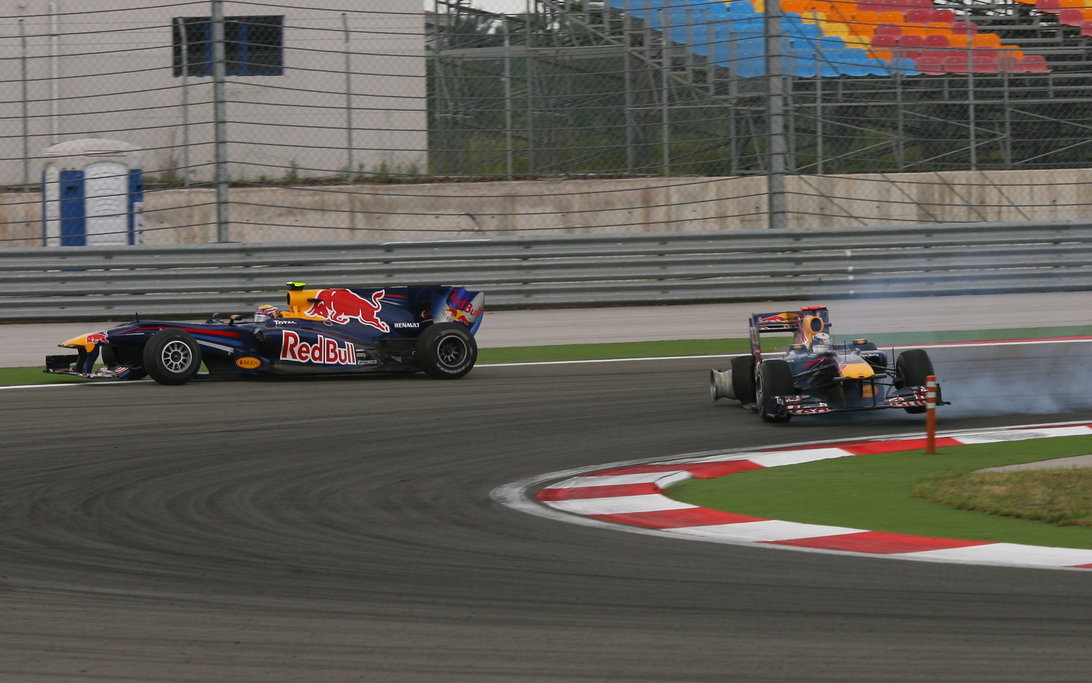
Max Verstappen sits at the eye of this psychological tempest. Four titles rest on his shoulders, yet whispers of a sabbatical or a Mercedes switch reveal more than career calculus. Red Bull's covert coaching has long tamped down his emotional flares, turning raw outbursts into the cold precision that dominates telemetry. This is not organic dominance. It is engineered restraint, a mental straitjacket that may finally fray when the next contract negotiation exposes the man beneath the data.
- Heart rate monitors show Verstappen's calmest laps coincide with suppressed frustration peaks.
- Any sudden freedom from that system could unleash decision-making volatility that no aerodynamic package can contain.
- A potential sabbatical would not be rest. It would be the first honest breath after years of controlled silence.
Hamilton's Calculated Armor Meets Lauda's Shadow
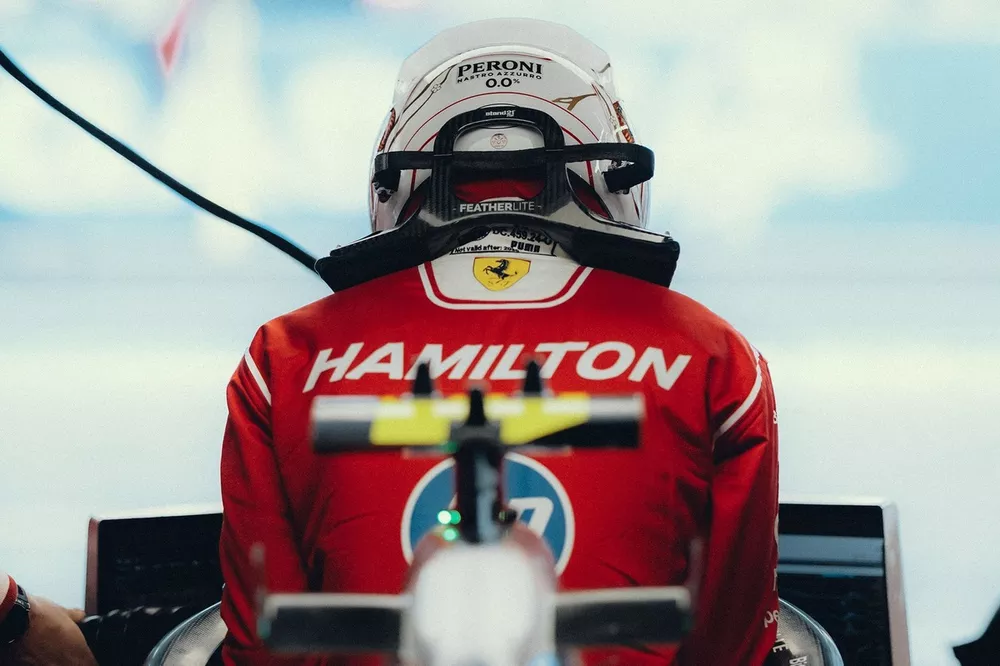
Lewis Hamilton carries his own layered narrative as rumors swirl around a Ferrari seat. His public poise echoes Niki Lauda's post-crash reinvention, where trauma became the story that eclipsed raw speed. Both drivers weaponized resilience, crafting personas that shielded deeper vulnerabilities. Yet Hamilton's biometric patterns in high-pressure sessions hint at the same quiet calculation that once defined Lauda. If a move materializes, it will test whether that armor holds or cracks under fresh team dynamics.
"The mind does not forget what the body has survived," Lauda once reflected, a line that applies equally to Hamilton's measured approach amid the current market chaos.
Wet-Track Truths and the Mental Mandate Ahead
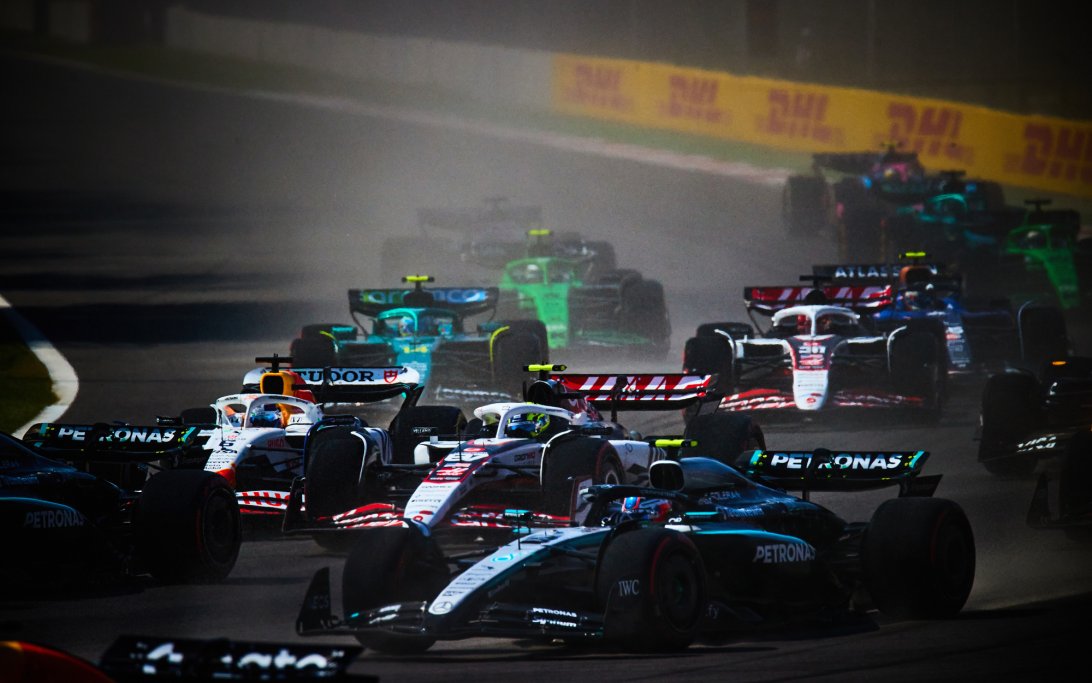
Driver psychology reveals itself most brutally in variable conditions, where split-second choices expose personality far beyond what wind-tunnel figures can predict. The same uncertainty now gripping contract talks will intensify under 2026 rules, forcing teams to confront emotional stability as a performance variable. Within five years, mandatory mental health disclosures after major incidents will arrive, ushering transparency laced with scandal. Smaller teams already eye the limited rookie pool, knowing that Franco Colapinto and Esteban Ocon face their own mental tightropes as deals expire.
- Fernando Alonso weighs options that could ripple through Aston Martin and Alpine, his veteran intuition clashing with younger biometric profiles.
- F2 prospects like Leonardo Fornaroli and Rafael Camara enter a market where mental resilience may outweigh lap times.
- Front-runners map contingencies while midfield squads hope experienced minds become available.
The Reckoning That Awaits
If extensions stabilize the grid, the sport preserves its fragile equilibrium. Should multiple seats open, the scramble will expose how little car performance matters without psychological steadiness. The coming summer negotiations will not merely shuffle names. They will test which drivers can sustain their inner monologues when the next generation of regulations strips away every remaining illusion of control.
Join the inner circle
Get the deep dives and technical analysis from the world of F1 delivered to your inbox twice a week.
Zero spam. Only high-octane analysis. Unsubscribe anytime.
Continue Reading
View More News