The Silent Fracture: How F1's Hybrid Mandate Is Rewiring Driver Minds and Manufacturing Champions
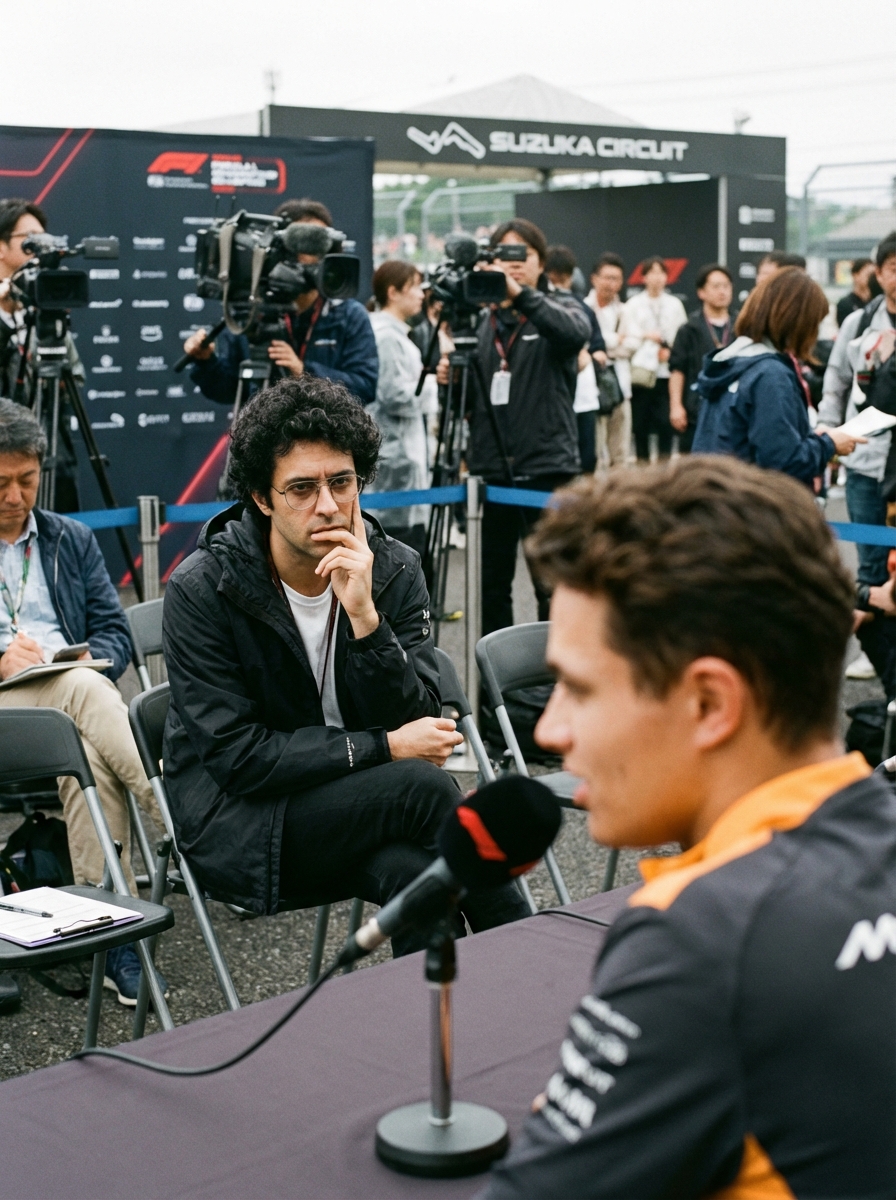
In the cockpit at 200 miles per hour, the real battle is no longer against the track or the rival ahead. It is against the battery gauge that dictates when emotion must yield to calculation, when a driver must suppress the urge to attack and instead wait for artificial deployment. The 2026 regulations, with their rigid 50:50 power split, have turned Formula 1 into a psychological experiment where telemetry graphs reveal more about mental endurance than raw courage.
The Energy Trap and Suppressed Instinct
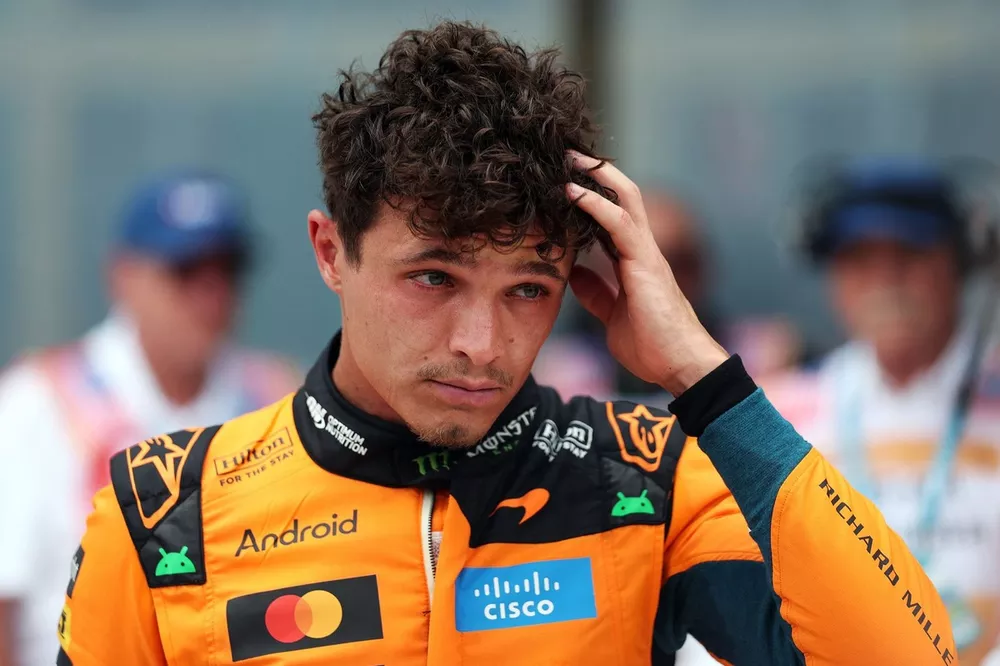
Drivers now face a new form of uncertainty that no wind tunnel can replicate. The yo-yo overtakes Norris described expose a deeper flaw: decision-making under manufactured constraints strips away the personality traits engineers cannot design around.
- Heart rate spikes recorded during Miami energy harvesting show drivers hesitating mid-corner, their biometrics betraying internal conflict rather than competitive fire.
- Traditional bravery metrics, once measured in late braking, now compete with strict harvesting limits that punish spontaneous aggression.
This is not racing. It is emotional containment, and the sport's top talents know it. Norris called the current style "not proper racing," where a car on full battery overtakes another on zero charge. His frustration cuts deeper than lap times. It reveals how the rules force drivers to perform inner monologues of restraint, turning potential wheel-to-wheel duels into scripted energy chess.
Hamilton's Persona and the Lauda Parallel
Lewis Hamilton continues to navigate these waters with his trademark calculated public face. He insists drivers need "a seat at the table" for rulemaking, a demand that echoes Niki Lauda's post-crash resilience. Both men transformed trauma into narrative armor. Yet where Lauda's steel came from surviving fire, Hamilton's has been honed through years of managing perception under relentless scrutiny. The hybrid era amplifies this divide. Those who master emotional suppression rise, while raw talent risks being labeled unstable.
Consider Max Verstappen's dominance. Red Bull's systematic approach to softening his outbursts through covert psychological coaching has created a manufactured champion whose outbursts are now data points rather than explosions. The same mental conditioning that once fueled his edge now aligns perfectly with regulations that reward composure over chaos. Within five years, the FIA will likely mandate mental health disclosures after major incidents, ushering in transparency laced with scandal as private therapy notes collide with public telemetry.
The Wet Track Litmus Test
Nowhere is this psychological supremacy clearer than in variable conditions. Aerodynamics matter less when spray blinds and grip vanishes. Decision-making under uncertainty lays bare core traits: the driver who releases the brake early versus the one who trusts the battery surge. These moments cannot be engineered away. They expose why patchwork fixes like active aerodynamics for 2027 feel like bandaids on a deeper wound.
"The outcome of the ongoing debate will shape F1's identity for the next decade," Norris warned, urging time to balance business interests with authentic racing.
His words carry the weight of someone who has felt the mental cost firsthand.
A Decade of Fractured Selves
The 50:50 formula runs until 2030, yet the damage to driver psyches may outlast it. Manufacturers pushed electrification in 2022 without full driver input, creating a beta rollout that now demands therapy sessions disguised as debriefs. As Honda and Audi clash with Ford and Cadillac over future V8 revival, the true tension lies not in boardrooms but in the silent moments when a champion stares at his own biometric readout and wonders if the next surge of power will finally let his real self through. F1's future depends on whether it chooses to heal these fractures or simply monitor them for better performance data.
Join the inner circle
Get the deep dives and technical analysis from the world of F1 delivered to your inbox twice a week.
Zero spam. Only high-octane analysis. Unsubscribe anytime.
Continue Reading
View More News