Dancers Draw Blood in Montreal: F1 Weekend Strike Threatens to Expose Every Weakness
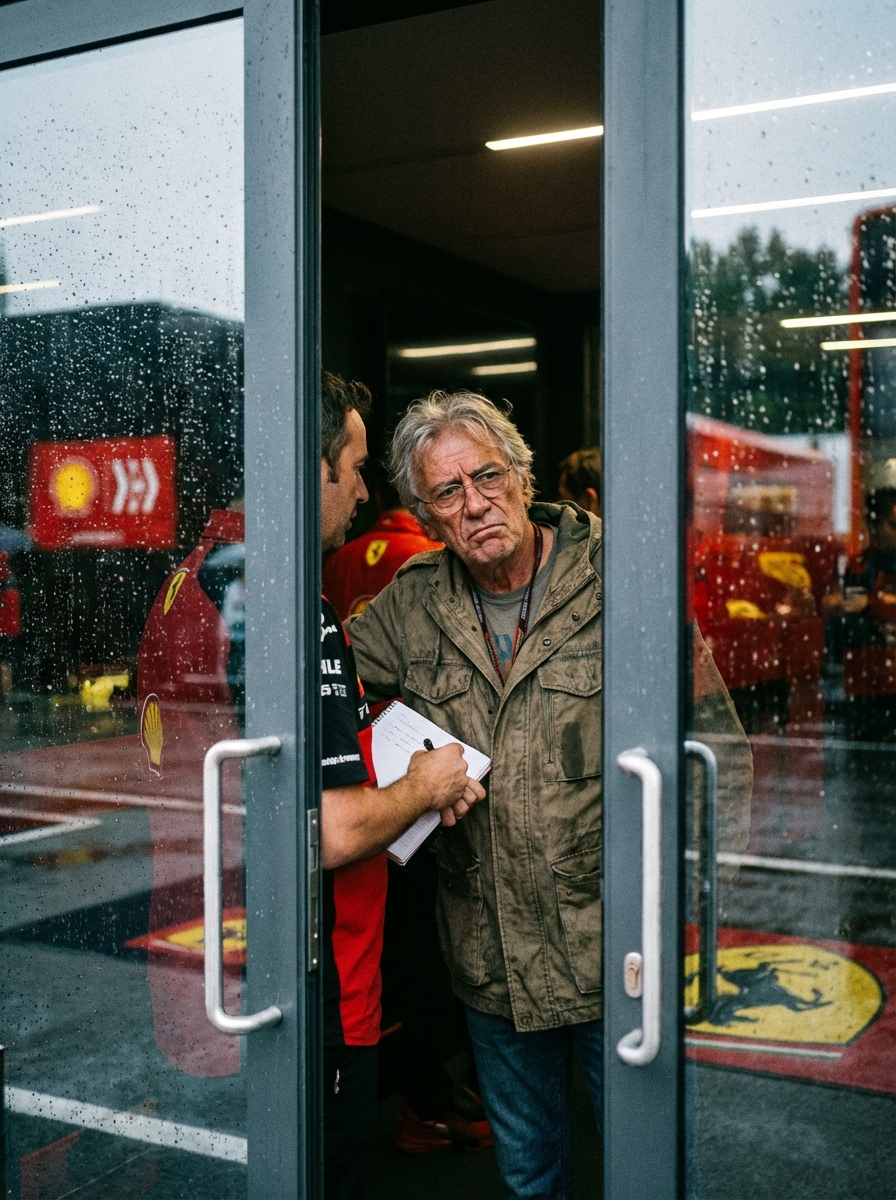
The moment the Canadian GP rolls into town the whole city turns feral. Crowds swell, money flows like fuel through a leaking tank, and now the exotic dancers have decided enough is enough. They are walking out on May 23, the very day of the sprint race, and the paddock knows what that means. Clubs that normally print cash will sit half-empty while the same drivers and team bosses who preach about data and control suddenly find their favorite after-hours rituals under siege.
The Economics Nobody Wants to Admit
Montreal clubs treat the Grand Prix like a license to print. Last year 352,000 fans poured through the gates. This year the Sex Work Autonomous Committee is betting that same surge gives dancers real leverage. They are not asking nicely anymore.
- One club already slapped dancers with a $110 bar fee every single night across the five big event days.
- With roughly sixty dancers on shift that single rule alone pulled in $33,000 before the first drink was poured.
- Dancers still get labeled independent contractors even while clubs dictate schedules, outfits, and exactly how long they must stay.
The result is the same trap we see in other high-pressure environments. People follow every order yet receive none of the protections. Safety concerns get waved away. Risks stay personal. Profits stay with ownership. Sound familiar?
Calculated Pressure, Not Random Outrage
This strike is not chaos for chaos's sake. It is theater timed for maximum visibility, the same way certain drivers lean on aggression to hide deeper problems elsewhere. The clubs grow strictest and greediest precisely when the money is biggest. Dancers know that. They are using the busiest weekend on the calendar to force owners into a corner.
"We are the ones creating the atmosphere they sell to the F1 crowd," one organizer told me quietly. "Without us the venues are just rooms with expensive lights."
That line lands harder than any press-release apology. It also echoes what I have watched for years: when the environment turns hostile, the people with the least formal power suddenly discover how much they actually control.
Emotions Beat Spreadsheets Every Time
I have said it before and the Montreal situation proves it again. Pure data never wins the weekend. A driver who feels seen, respected, or even righteously angry will extract more from the car than any simulation predicts. The same principle applies here. Club owners can crunch numbers on bar fees and dancer counts until the servers crash, yet they keep missing the human variable. When dancers feel exploited they do not simply work harder. They shut the whole system down.
Lewis Hamilton built an entire career understanding this dynamic. He learned early that media leverage and political timing often outweigh raw speed on any given Sunday. The dancers in Montreal are running the same playbook, just without the Mercedes backing.
What Happens When the Lights Go Dark
If the strike holds, Montreal nightlife will look strangely empty during the sport's biggest North American party. Team personnel will still arrive looking for the usual release. Some will pivot to private arrangements. Others will grumble and head back to the hotel. Either way the message will have landed.
Within five years we will probably see the first fully AI-designed F1 car, turning races into software duels. Before that happens the sport might finally learn that treating people like interchangeable parts always backfires. The dancers are simply delivering that lesson first, and they picked the perfect weekend to make sure everyone in the paddock is watching.
Join the inner circle
Get the deep dives and technical analysis from the world of F1 delivered to your inbox twice a week.
Zero spam. Only high-octane analysis. Unsubscribe anytime.
Continue Reading
View More News