The Timing Sheets Weep: Melbourne's 2026 Attrition Reveals Data's Cold Grip on F1's Soul

The numbers from Albert Park hit like a stalled heartbeat. Five retirements and two DNS entries in the 2026 Australian Grand Prix expose not random chaos but a deeper fracture where teams chase algorithmic perfection over the raw pulse of driver intuition. These lap time drop offs and power unit failures tell stories of pressure that spreadsheets alone cannot bury.
Reliability Failures as Data Overreach
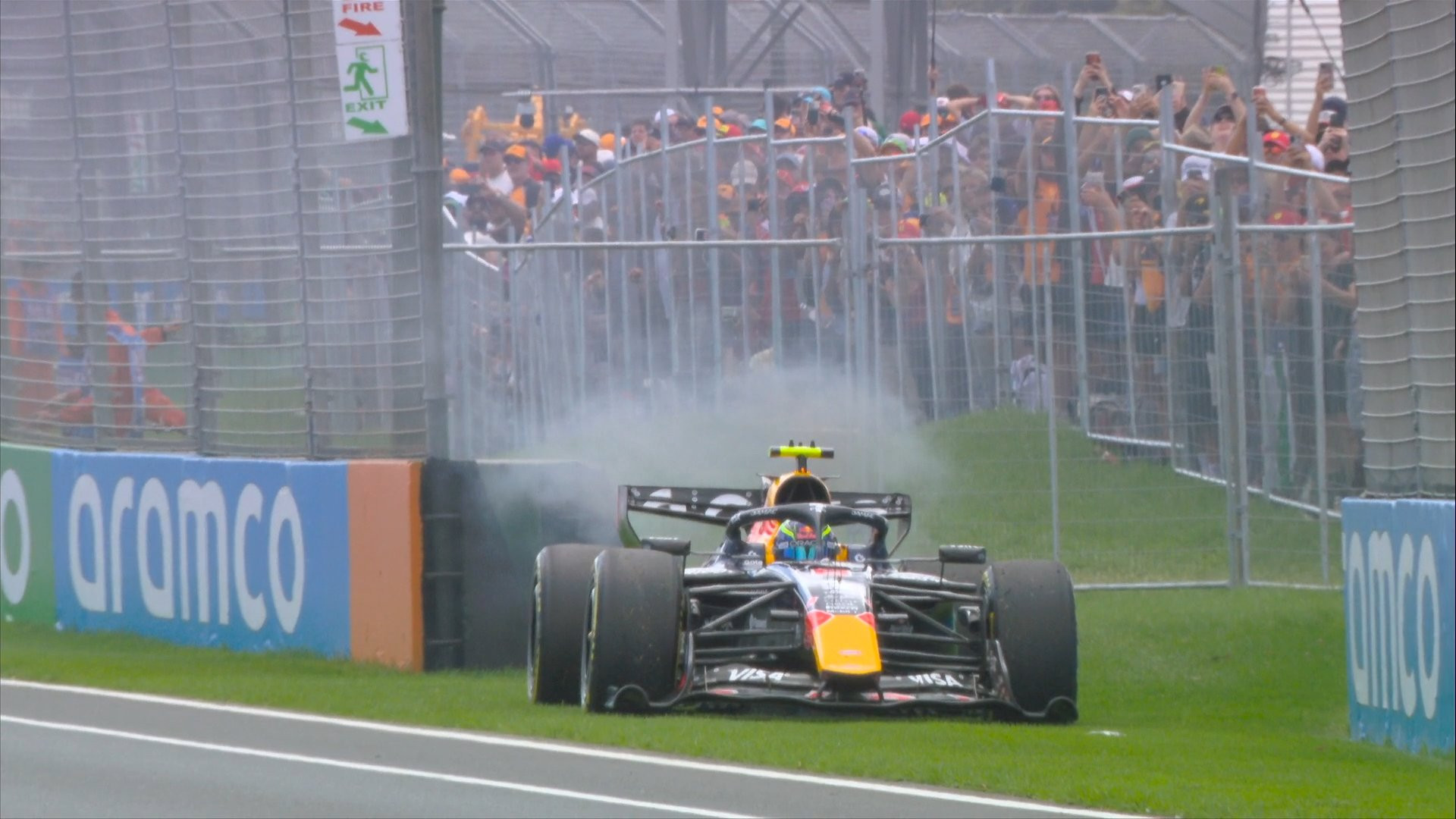
The new technical regulations promised efficiency through endless telemetry streams yet delivered mechanical heartbreak instead. Oscar Piastri never saw the lights after clipping the Turn 4 curb on cold tires from his P5 grid spot. Nico Hulkenberg suffered an unresolved issue on his reconnaissance lap leaving Gabriel Bortoleto to carry Audi's debut alone. These early exits scream of pre race data models that ignored the human variables of track temperature and tire response.
- Isack Hadjar retired on lap 10 after a power unit failure marked by smoke and strange sounds right after the start.
- Valtteri Bottas parked his Cadillac on lap 15 with a fuel system glitch that triggered a Virtual Safety Car.
- Fernando Alonso lasted until lap 21 before garage checks turned his strong start into a full retirement.
- Lance Stroll was not classified fifteen laps down after repeated inspections reduced his effort to pure mileage accumulation.
This pattern mirrors the over reliance on real time telemetry that modern squads embrace. Drivers receive constant algorithmic prompts for pit windows and energy deployment leaving little room for the feel Schumacher mastered in his near flawless 2004 campaign where consistency emerged from instinct rather than dashboard directives.
The Road to Robotized Racing
Within five years this hyper focus on analytics will suppress driver intuition entirely. Pit calls will arrive pre scripted by models that treat every lap as a predictable data point. The sport risks becoming sterile with outcomes dictated by code rather than moments of pressure that once defined legends.
Data should excavate emotional layers like correlating a sudden two second drop off with unseen personal strain yet here the sheets only log mechanical surrender.
Charles Leclerc offers a parallel caution. His qualifying consistency from 2022 to 2023 ranks among the grid's strongest yet Ferrari's strategic missteps amplify any error into reputation damage. The same telemetry obsession that hampers him now threatens to flatten all personality from the cockpit.
Melbourne served as an early stress test for Cadillac and Aston Martin but the deeper failure belongs to an era that values gathered data over completed distance earned through feel.
The Path Forward
Teams must dissect these failures without doubling down on the same digital crutches. Red Bull and Cadillac face immediate reliability reviews while Aston Martin's test session approach highlights how far some squads have drifted from competitive intent. The Chinese Grand Prix will reveal whether fixes restore balance or simply feed more algorithms into the machine.
Schumacher's 2004 benchmark remains the reminder that true dominance came from harmony between man and machine not domination by the latter. Until that balance returns the timing sheets will keep recording these quiet extinctions of racing's human core.
Join the inner circle
Get the deep dives and technical analysis from the world of F1 delivered to your inbox twice a week.
Zero spam. Only high-octane analysis. Unsubscribe anytime.