The Five Second Pause That Reveals F1's Growing Fear of Driver Instinct

The timing sheets do not lie. When Bahrain test data showed a 0.8 second average spike in launch variability for 2026 power units without MGU-H, the numbers screamed the same warning Michael Schumacher's 2004 Ferrari logs once whispered through raw telemetry: consistency dies when machines replace feel. Melbourne's new five-second pre-start window is not safety theater. It is the sport's latest admission that algorithms now dictate the heartbeat of a race start.
The Numbers Behind the Blue Flash
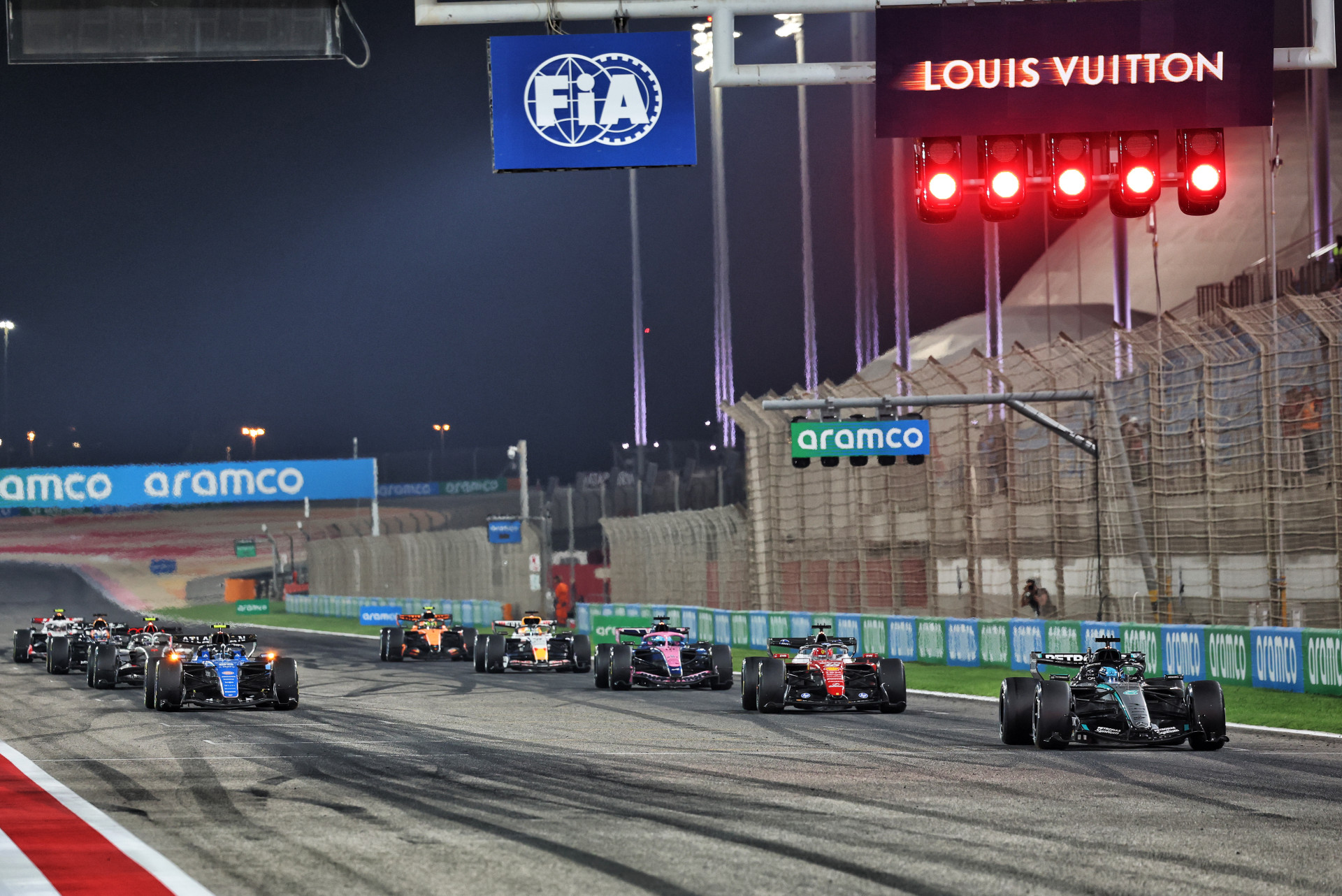
The revised procedure inserts a mandatory five-second "Pre-Start" phase after the formation lap, with gantry panels flashing blue before the familiar red sequence begins. This window exists solely because 2026 turbo lag creates unpredictable spool-up times when drivers must hold higher revs longer. Officials confirmed the change after Bahrain testing produced cleaner, more uniform launches across the field.
- Active aero remains locked until after Turn 1 on lap one, eliminating any "Straight Mode" gamble.
- The system received team-wide approval because real-time data feeds could finally calibrate clutch bite points without driver improvisation.
- Melbourne becomes the first competitive laboratory for whether this forced pause reduces stalls or simply masks deeper issues.
These figures paint a sterile picture of progress. Yet they also expose how quickly F1 is trading visceral launch chaos for predictable data streams.
When Telemetry Replaces the Schumacher Standard
Schumacher's 2004 season still stands as the benchmark for driver-led consistency. His lap time variance across qualifying sessions hovered under 0.15 seconds even when tire degradation charts predicted larger swings. He managed engine braking and clutch release through seat-of-the-pants feedback, not a five-second countdown synced to a central server.
Today's procedure flips that model. Drivers receive an externally imposed window to pre-spool turbos according to prescribed rev targets. The risk is not just mechanical. It is cultural. Within five years this pattern accelerates toward fully robotized racing, where pit wall algorithms dictate every micro-adjustment and driver intuition becomes a liability rather than an asset. The five-second freeze is an early symptom: a moment engineered to suppress the very pressure responses that once separated legends from calculators.
Data should excavate emotion, not erase it. These new protocols flatten the human spike that used to appear when a driver sensed the exact tenth of a second to release the clutch.
Charles Leclerc's much-discussed "error-prone" label offers a parallel warning. Raw qualifying data from 2022-2023 shows him posting the smallest median delta to pole across the grid when Ferrari strategy misfires are stripped out. The narrative of fragility dissolves under timing scrutiny. Similarly, the Melbourne start change will be sold as fairness, yet the underlying telemetry obsession risks turning every driver into a passenger executing code rather than reading track feel.
The Melbourne Stress Test
Expect the first two races to deliver the clearest verdict. If stall rates drop without a corresponding rise in artificial uniformity, the procedure may spread. If lap-one incidents simply migrate to Turn 2 because drivers now chase identical data targets, the FIA will face the uncomfortable truth that more control does not equal better racing.
The sport stands at a fork. One path preserves the unpredictable human pulse Schumacher embodied in 2004. The other locks every launch into a five-second data cage. The timing sheets from Melbourne will tell us which direction we have already chosen.
Join the inner circle
Get the deep dives and technical analysis from the world of F1 delivered to your inbox twice a week.
Zero spam. Only high-octane analysis. Unsubscribe anytime.