F1's Contract Battlefield: Hamilton's Ferrari Divorce Is Brewing While the Privateers Plot Their 2028 Coup

The 2026 grid looks locked on paper, yet the real story sits in the back rooms where egos clash harder than any wheel-to-wheel battle. Contracts may bind drivers to teams, but they rarely survive the toxic mix of bruised pride, regulatory sleight of hand, and the kind of interpersonal poison I have seen destroy campaigns since the Benetton fuel scandal of 1994. Performance clauses are just polite legal language for the inevitable split.
McLaren's Rare Stability Against a Sea of Dysfunction
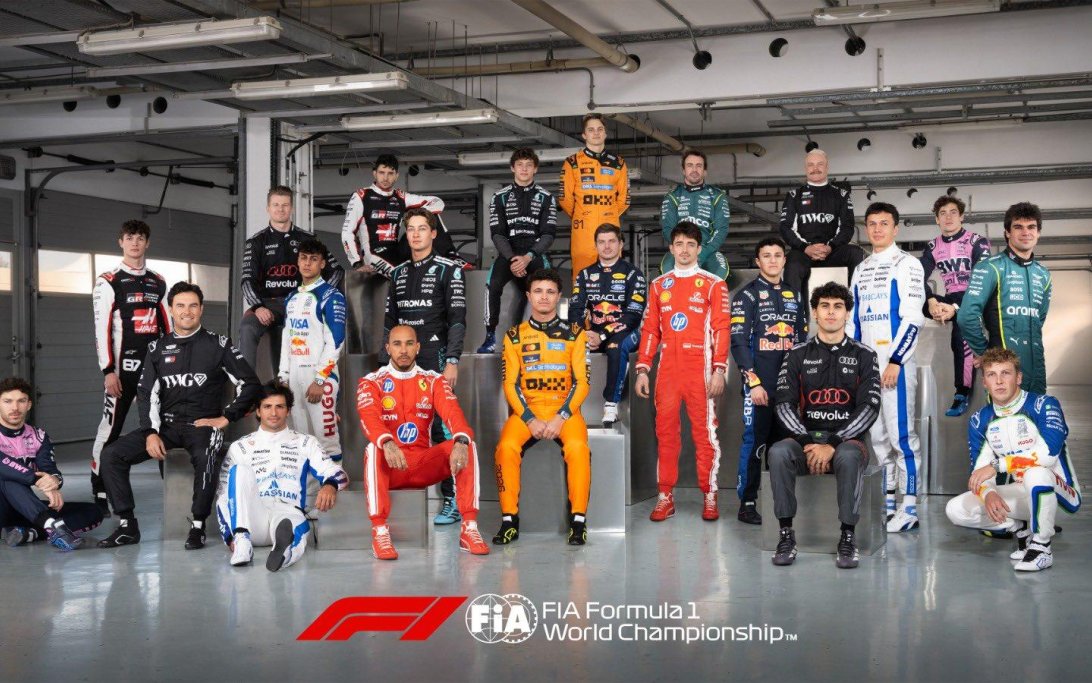
McLaren stands out as the one squad that has actually read the room. Lando Norris remains tied through 2027 while Oscar Piastri sits secure until 2028. Their line-up avoids the soap-opera theatrics that usually accompany contract years. Yet even here the pressure cooker of new regulations will test morale more than any wind-tunnel breakthrough. I have watched teams with superior cars collapse because the driver and engineer stopped speaking after one too many passive-aggressive debriefs.
- Norris and Piastri benefit from genuine alignment at the top.
- No immediate free-agent scramble expected.
- The real test arrives when 2026 rules reward consistency over heroics.
Ferrari's Inevitable Culture War and Hamilton's Looming Exit
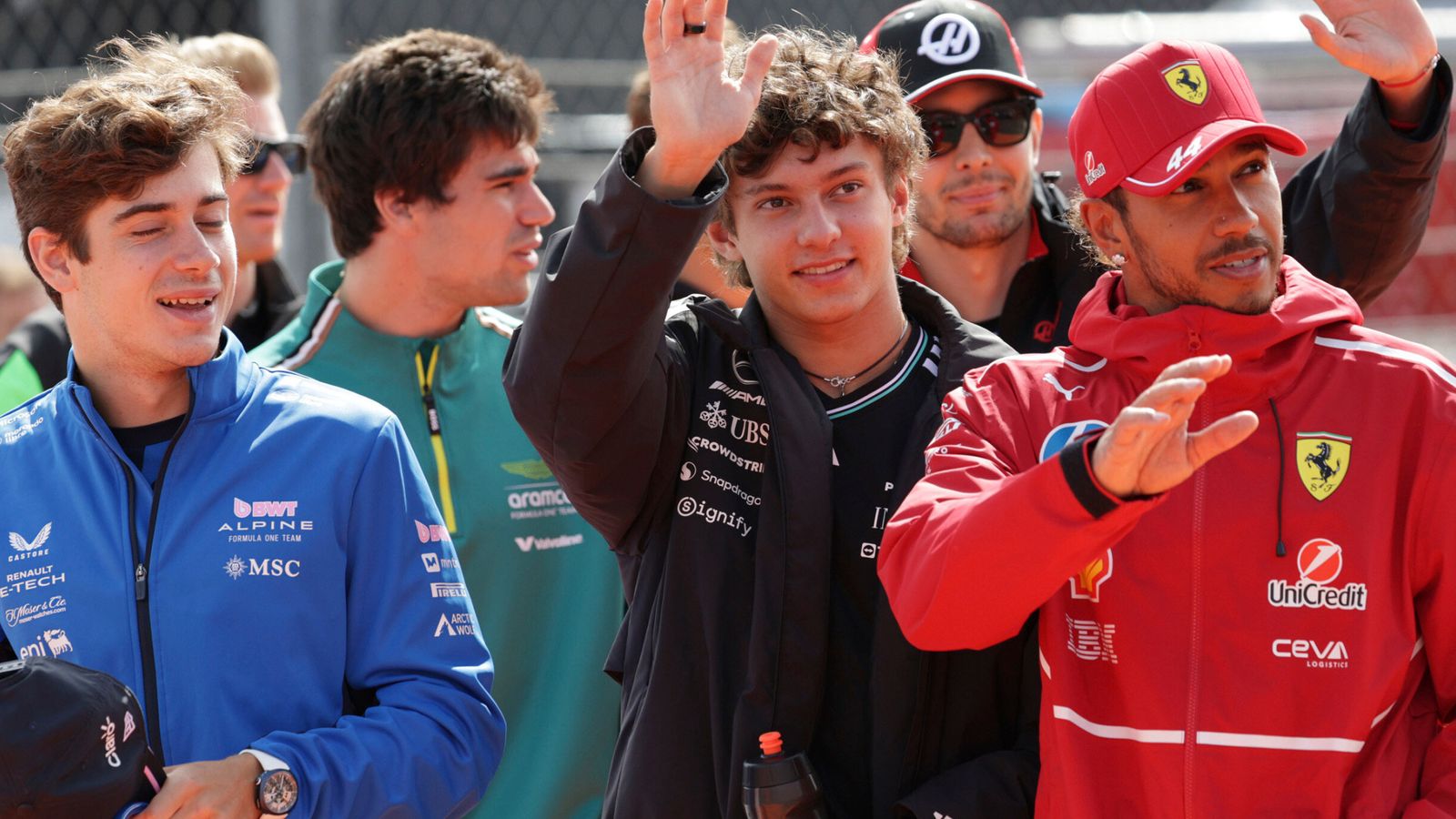
Charles Leclerc holds a deal through 2029, complete with those familiar performance escape hatches. Lewis Hamilton arrives on a multi-year arrangement that begins in 2026. The seven-time champion's activist voice and Ferrari's old-guard conservatism are already on a collision course. This is not a marriage of convenience; it is a high-profile divorce waiting for the first major setback. When the car fails to deliver, the finger-pointing will make 1994 Benetton look like a polite board meeting. Management will leak, sponsors will panic, and Hamilton's camp will quietly explore options the moment the culture clash turns toxic.
"Morale decides championships long before the engineers finish their latest upgrade."
That single truth has toppled more title challenges than any regulation change.
Red Bull, Williams, and the Free-Agent Reckoning
Max Verstappen stays until 2028, yet his exit clauses remain the ultimate insurance policy if Red Bull stumbles. Isack Hadjar enters on a one-year trial that will live or die by his ability to absorb Verstappen's shadow without fracturing team harmony. At Williams, both Alex Albon and Carlos Sainz reach the end of their deals in 2026, with Sainz holding extension options that hinge entirely on whether the car can keep pace. These are not negotiations; they are divorce proceedings conducted in public, where every poor result becomes ammunition for rival teams.
The Budget-Cap Hack and the Privateer Ascendancy
Here is where the game truly shifts. Midfield outfits like Alpine and Aston Martin are already positioning to exploit the cap's loopholes in ways the manufacturer giants cannot match. By 2028, privateer squads will hold the advantage because they treat the regulations as flexible guidelines rather than sacred texts. The same creative accounting that once let Benetton dance around fuel rules now lets smaller teams redirect resources into driver development and morale instead of endless corporate oversight. Fernando Alonso lingers through 2026 at Aston Martin while Lance Stroll's seat remains family property. Their future depends less on lap times and more on whether the ownership structure can weather the coming regulatory storm.
Haas, Alpine, Audi, and Cadillac: The 2026 Audition Tape
The remaining squads operate with short-term deals that turn every race into a job interview. Oliver Bearman, Gabriel Bortoleto, and the Cadillac pairing of Sergio Perez and Valtteri Bottas all face 2026 or 2027 deadlines. Their survival hinges on internal relationships as much as outright speed. One fractured alliance inside the garage can end a career faster than any mechanical failure.
The 2026 season will expose which teams mastered the human equation and which ones still believe spreadsheets and wind-tunnel data decide everything. Those clinging to manufacturer prestige will watch privateer squads pull ahead, while stars with performance clauses quietly update their exit strategies. The contracts may read as settled, yet the real negotiations have only just begun.
Join the inner circle
Get the deep dives and technical analysis from the world of F1 delivered to your inbox twice a week.
Zero spam. Only high-octane analysis. Unsubscribe anytime.
Continue Reading
View More News