F1's Melbourne Meltdown: How 2026 Boost Chaos Masks Ferrari's Poisoned Well and the Budget Cap Time Bomb

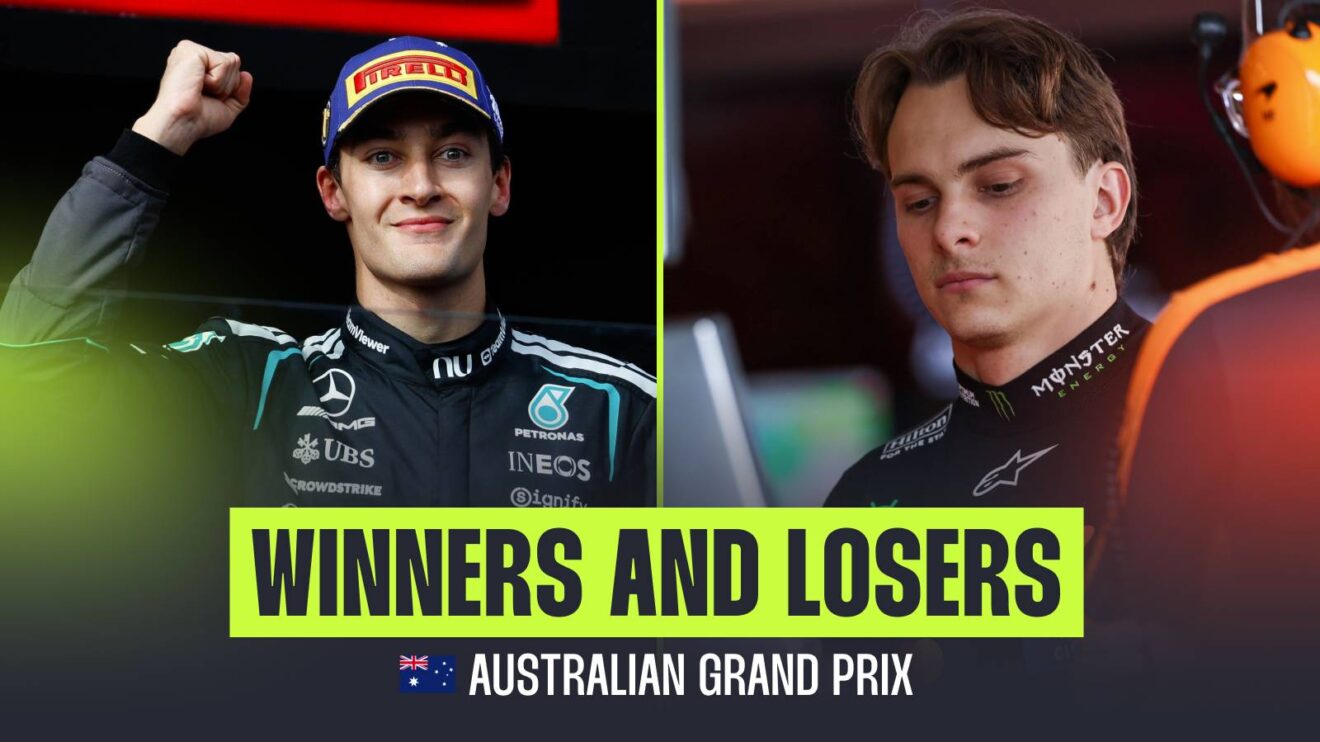
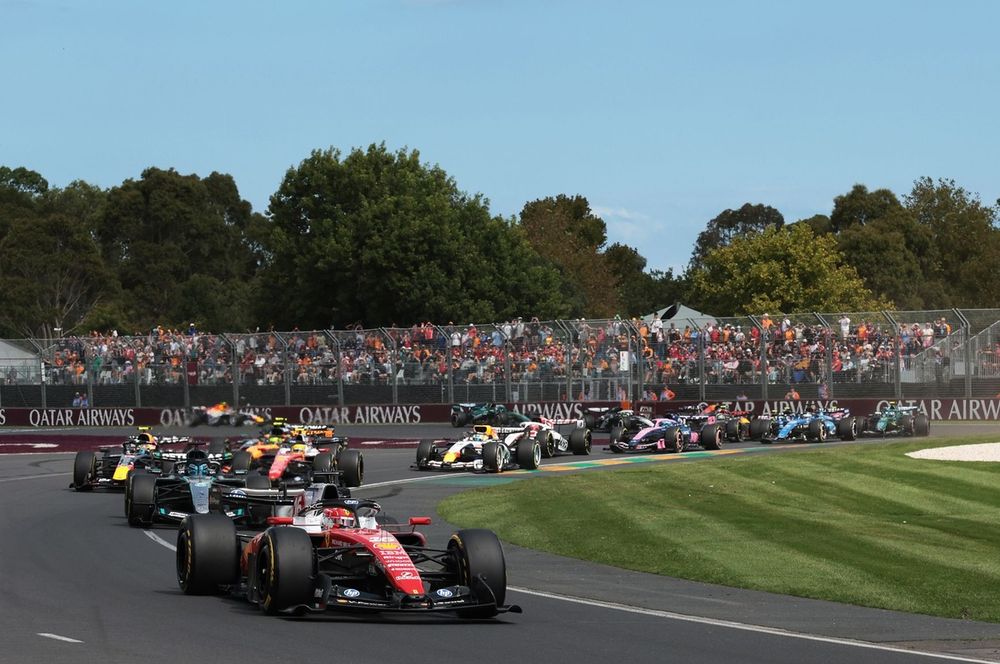
The paddock after Melbourne felt like the calm before a monsoon. George Russell had taken the win in a race that swung wildly on every straight, yet the real whispers were not about lap times. They were about how these new regulations, with their active aero and that almighty boost mode, are already exposing old wounds inside teams that pretend everything is data driven. I stood near the Ferrari garage listening to a senior engineer mutter about energy deployment maps that no longer match the drivers' instincts, and it struck me that we are watching something deeper than a rule change unfold.
Boost Mode Turns Racing into Calculated Theatre
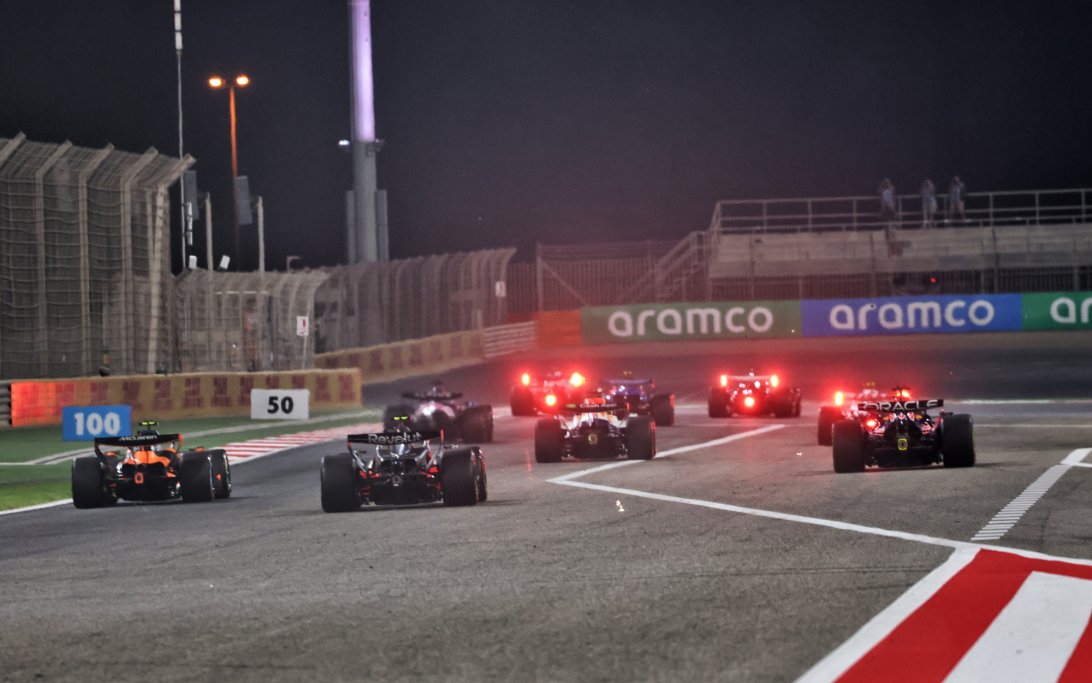
The new power unit rules delivered exactly the spectacle the FIA wanted on paper, yet the human cost showed up immediately in the radio traffic. Drivers toggled between full attack and sudden power starvation, creating the ping pong effect Esteban Ocon described so vividly.
- Lando Norris called it outright chaos and warned of a big accident waiting to happen.
- Max Verstappen simply repeated the word chaos like a mantra, the same tone he uses when he senses the sport drifting from real competition.
- Sergio Perez admitted the whole thing felt less fun, the energy management stripping away the raw joy of wheel to wheel combat.
Even the supporters sounded cautious. Lewis Hamilton said he personally loved the challenge, while rookie Kimi Antonelli thought it exceeded expectations. Their optimism stands out because it ignores the strategic tax that now lands on every decision. One activation of boost mode forces three future corners of harvesting, turning pure driving into a chess match played at 200 miles per hour.
I keep thinking of the old Thai story of the fisherman and the river spirit. The spirit grants one wish but always claims double in return. That is exactly how the boost mode operates. Teams that chase immediate position pay later in tire wear and battery temperature, and the smartest strategists will be those who profile their drivers' risk tolerance before they ever touch an aero map.
Leclerc's Consistency Battle and the Veteran Shadow at Ferrari
Nowhere is this psychological layer more visible than inside Ferrari. Charles Leclerc spoke like a pragmatist after the race, noting that every boost now carries a heavy future price. Yet those closest to the team know his weekend to weekend consistency has eroded not because of the regulations alone, but because veteran voices in Maranello still override the data room when pressure mounts. The same pattern that once favored experience over fresh simulation outputs is creeping back, and it shows in the way strategy calls arrive half a lap too late.
This is why psychological profiling matters more than any front wing tweak. A driver who trusts the numbers will harvest earlier and accept the temporary loss of position. One who still hears the old guard in his ear will chase the boost and empty the battery on the next straight. The 2026 rules reward the former mindset, yet Ferrari's internal politics continue to reward the latter.
Prost Senna Echoes and the Five Year Budget Cliff
The radio exchanges this weekend carried none of the genuine venom that defined 1989. Back then the stakes were championships and legacies. Today the drama feels manufactured because the real fault lines sit in the balance sheets. Budget cap loopholes have already let two or three squads build parallel development paths that smaller teams cannot match. Within five years one of those overextended operations will fold or merge, and the ripple will redraw the grid more dramatically than any regulation ever could.
The current conflicts lack that old weight because everyone knows the real fight is still coming. Psychological preparation for that day will separate the survivors from the ghosts.
Final Take
Melbourne proved the 2026 package can generate action. It also proved that technology alone cannot fix what politics and short term thinking have already broken inside certain garages. The next test at Imola will show whether teams have begun to read their drivers as carefully as they read their energy maps. Those that have not will learn the hard way that the river spirit always collects its debt.
Join the inner circle
Get the deep dives and technical analysis from the world of F1 delivered to your inbox twice a week.
Zero spam. Only high-octane analysis. Unsubscribe anytime.