The Monaco Mirage: Ferrari's 2026 Hopes Mask a Deeper Cultural Fracture That No Chassis Can Fix

Ferrari has not tasted victory in nearly 600 days, yet the whispers from the paddock suggest the Scuderia might finally break its drought as soon as this weekend in Monaco. Behind the polished press releases and Jolyon Palmer's optimistic forecast lies a far more volatile reality. Team politics, simmering resentments, and the looming shadow of Lewis Hamilton's ill-fated arrival will decide outcomes long before any aerodynamic tweak or power unit adjustment.
The Hamilton-Ferrari Divorce Already Underway
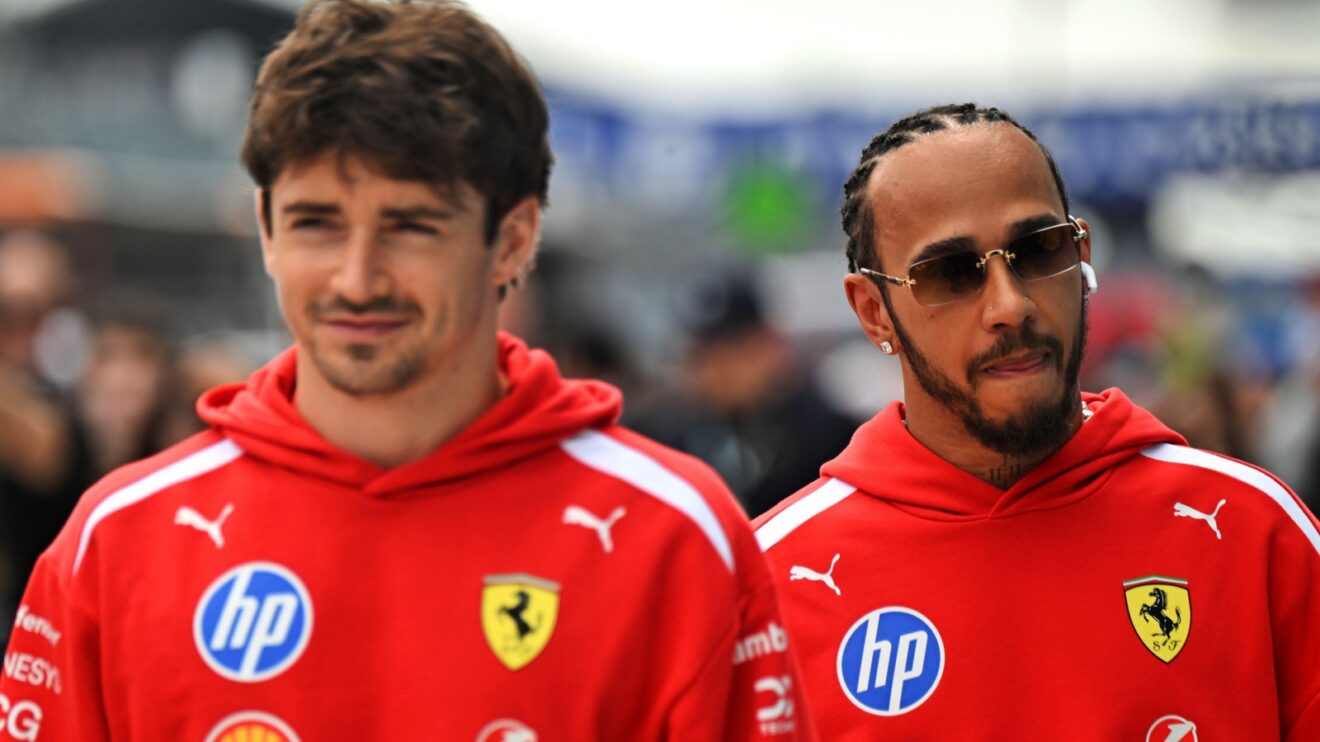
Contract negotiations at the highest level resemble messy divorces more than strategic partnerships. Hamilton's 2025 move to Maranello was sold as a fairy-tale union of seven-time champion and iconic team. In practice, his activist persona collides with Ferrari's rigid, conservative hierarchy like oil on water.
The result is predictable internal strife that no amount of chassis brilliance can overcome.
- Morale fractures appear first in whispered briefings.
- Then they surface in radio messages laced with passive aggression.
- Finally they manifest in strategic calls that favor one driver over another for reasons unrelated to lap times.
This is not new territory. The 1994 Benetton squad proved how management conflicts and regulatory sleight-of-hand could mask technical edges until the entire edifice cracked under pressure. Ferrari risks repeating that pattern, only now with a global superstar whose off-track priorities clash with the Scuderia's traditional insularity.
Twistier Circuits Expose More Than Just Power Deficits
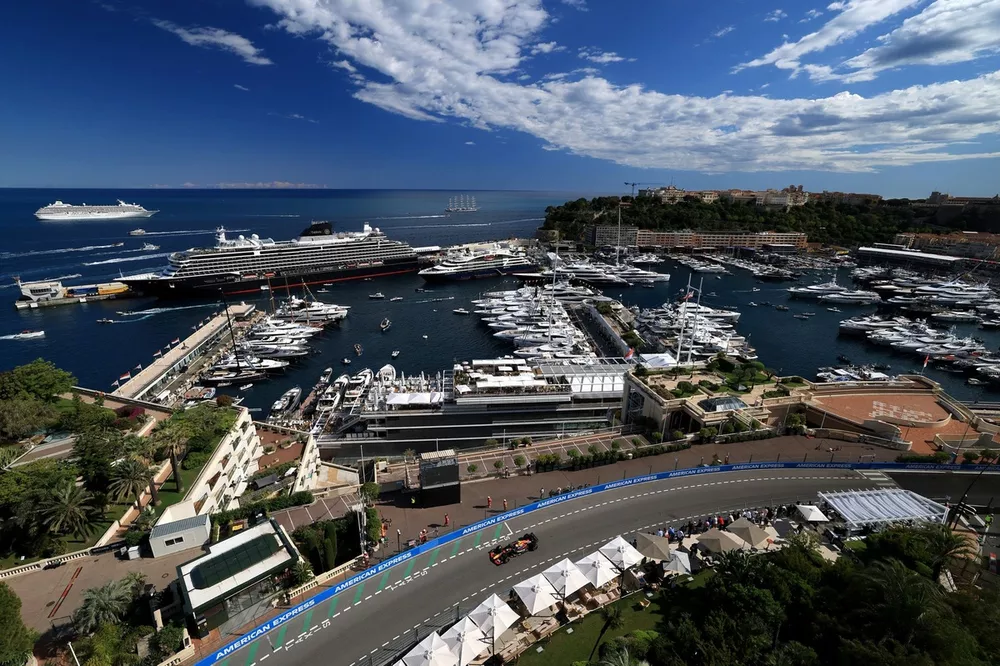
Palmer correctly identifies Monaco, Zandvoort, Budapest, and Canada as venues where Ferrari's strong chassis and launch performance could shine. The team sits second in the constructors' standings, 41 points ahead of McLaren, while Mercedes alone has claimed every win through five races. Leclerc's status as a Monaco specialist adds emotional weight, and Hamilton's history in Hungary offers a second threat.
Yet these advantages crumble when interpersonal dynamics dominate. The car may launch like a rocket off the line, but if the garage atmosphere feels like a courtroom during settlement proceedings, the advantage evaporates before the lights go out.
"Ferrari will definitely win a race this year… I think they will be in with a great shot in Monaco," Palmer told a betting site.
That prediction assumes technical merit wins out. History shows otherwise. Midfield outfits such as Alpine and Aston Martin already eye the budget cap's loopholes as their path to dominance by 2028. Manufacturer teams like Ferrari will watch privateers exploit every regulatory gray area while their own internal factions argue over driver hierarchy and brand image.
Morale as the True Championship Currency
Technical innovations receive the headlines, yet the quiet calculations of team politics determine who stands on the top step. A single toxic briefing room can erase months of wind-tunnel progress. Ferrari's power unit weakness on fast circuits matters less than whether Hamilton's presence fractures the very culture that once produced miracles.
The 1994 Benetton precedent remains instructive: fuel-system controversies and management power struggles ultimately overshadowed any on-track edge. Modern F1 merely dresses the same conflicts in different sponsorship liveries.
The Road Ahead Demands More Than Optimism
Palmer's forecast may prove technically sound if Ferrari reaches twistier tracks with its current momentum intact. The deeper question is whether the team can survive its own cultural civil war long enough to capitalize. Hamilton's integration, or lack thereof, will serve as the decisive test.
Until Ferrari resolves the human fractures beneath the carbon fiber, every predicted victory remains a mirage shimmering on the horizon of another long drought.
Join the inner circle
Get the deep dives and technical analysis from the world of F1 delivered to your inbox twice a week.
Zero spam. Only high-octane analysis. Unsubscribe anytime.
Continue Reading
View More News