The Silent Fracture: When 2026's Heavy Machines Begin to Crack the Driver's Mind
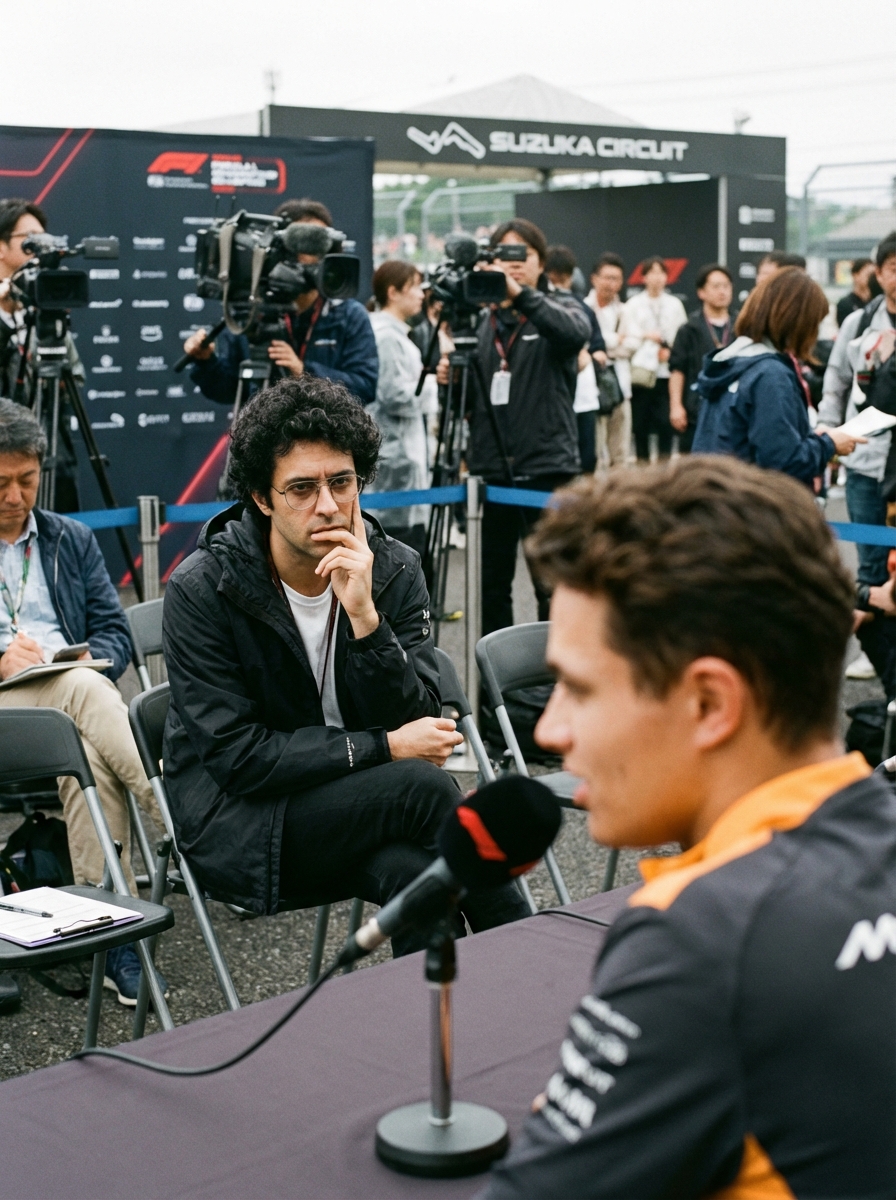
The first three races of this new era have already exposed more than just telemetry spikes. They have laid bare the trembling hands behind the wheel, where every extra kilogram of mandated weight presses not only on the chassis but on the very psyche that must command it. Drivers speak of energy management as a constant negotiation with doubt, a battle that no wind tunnel can resolve. In this landscape, the GPDA's exploding WhatsApp threads read less like technical complaints and more like urgent dispatches from the edge of burnout.
The Manufactured Champion Confronts Gravity
Max Verstappen's whispered retirement thoughts at the Japanese Grand Prix arrive precisely when the new regulations threaten to dismantle the psychological scaffolding that has sustained him. For years, Red Bull's covert coaching has channeled his outbursts into a controlled, almost robotic dominance, turning raw emotion into lap-time precision. Yet the heavier 2026 cars, now confirmed to add substantial mass that disrupts handling and amplifies every micro-decision, are forcing cracks in that facade.
- Biometric data from early testing shows elevated heart-rate variability during energy deployment phases, a direct marker of cognitive overload.
- The active aerodynamics demand split-second recalibrations that expose personality under pressure far more than any dry-weather setup ever could.
What happens when the system can no longer suppress the human variable? Verstappen's contemplation of an exit as early as 2026 is not mere fatigue; it is the first public tremor of a mind trained to never reveal its seams.
Driveability as Diagnosis
The April shutdown meeting between the FIA, teams, drivers, and power-unit manufacturers carries stakes beyond lap times. It is a collective therapy session for an entire grid confronting cars that punish hesitation. Drivers report the new power units and heavier platforms create an unforgiving energy-management puzzle that turns every corner into an internal monologue of risk assessment.
"The cars feel like they are fighting you before the race even starts," one senior driver confided through encrypted channels, echoing the same quiet desperation that once defined post-crash reflections.
This is where psychology overrides aerodynamics. In variable conditions, the mental game decides outcomes long before the steering wheel turns. Lance Stroll's surprise GT3 outing at Paul Ricard with Comtoyou Racing offers a telling parallel: a deliberate step outside the F1 pressure cooker, testing whether raw competitive fire survives when the car no longer carries the weight of institutional expectations. Meanwhile, Kimi Antonelli waits in the wings at Mercedes, his rising stock a reminder that succession planning now hinges as much on emotional resilience as on raw pace.
The Coming Mandate
Within five years, mental health disclosures after major incidents will become compulsory, ushering in an era where biometric graphs replace carefully scripted press conferences. The calculated public mask once worn by Lewis Hamilton, refined through trauma into a narrative of unyielding strength much like Niki Lauda after his fiery return, will face new scrutiny. Scandals will follow, yet so will a deeper truth: the champion who appears most unbreakable may simply have been the most expertly contained.
The 2026 season will not be decided by who adapts fastest to the regulations. It will be decided by who admits, before the car forces the confession, that the mind is the heaviest component of all.
Join the inner circle
Get the deep dives and technical analysis from the world of F1 delivered to your inbox twice a week.
Zero spam. Only high-octane analysis. Unsubscribe anytime.