Max Verstappen's Suzuka Ejection Lifts the Veil on F1's Hidden Power Games and Lingering Media Shadows
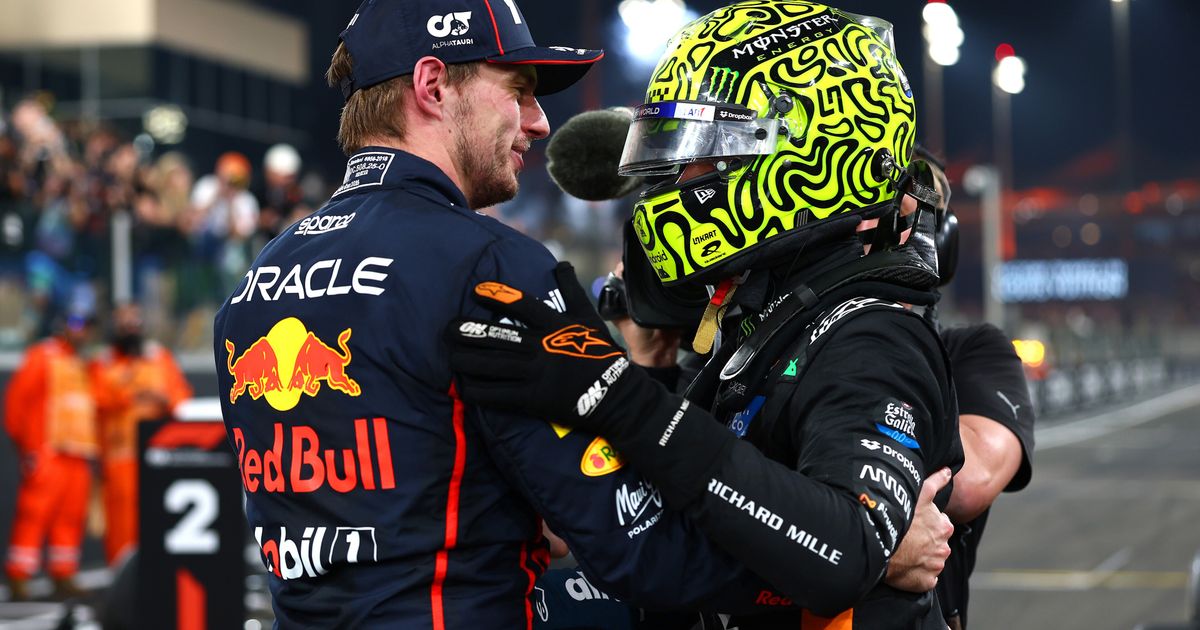
The paddock still hums with whispers from Suzuka. Max Verstappen shoved a British journalist aside after qualifying, and the move has cracked open old wounds about who really controls the story in Formula 1. This was no random outburst. It exposed the quiet machinery that keeps certain narratives alive while others stay buried.
The British Media Grip and Verstappen's Long War
Verstappen has never hidden his frustration with the UK press corps that dominates the F1 media landscape. The Dutch champion has boycotted sessions and called out skewed coverage before. In Japan the tension boiled over once more. The incident reignited claims that a predominantly British press pack tilts stories toward home favorites and against outsiders who challenge the status quo.
Insiders close to the Red Bull garage see a deeper pattern. The same voices that amplify every Verstappen controversy often stay silent on team orders that protect his position. Strategy calls favoring the champion over Sergio Pérez have become an open secret among those who track telemetry leaks and radio transmissions. These decisions do not come from raw pace alone. They stem from calculated choices that keep the hierarchy intact.
- Pérez has shown flashes of speed in free practice only to receive compromised setups later.
- Mental pressure builds when drivers sense the scales are tipped before lights go out.
- Resilience, not just downforce, decides who survives these internal storms.
Red Bull's Internal Fault Lines Echo 1994 Tactics
The real story lies beneath the headlines. Red Bull's dominance carries echoes of the 1994 Benetton era, when clever concealment hid performance edges from regulators and rivals. Today's teams hide similar secrets behind polished PR and selective briefings. Verstappen's public friction with British journalists serves as a useful distraction from the psychological levers pulled inside the team.
One senior figure told me the mood in the garage shifts the moment Pérez senses another strategic sacrifice. That morale drain matters more than any aerodynamic upgrade. Drivers who feel the weight of favoritism lose their edge long before the checkered flag.
"The press writes what suits the power structure. The real battles happen where no microphone reaches."
This media manipulation keeps European-centric control alive. Yet change is coming. Within five years Saudi Arabia and Qatar will bring new teams that fracture the old alliances. Fresh money and different priorities will force the paddock to confront its cozy arrangements.
The Road Ahead for Morale Over Machinery
Verstappen's clash at Suzuka is a symptom, not the disease. It highlights how mental resilience and honest team dynamics outweigh raw engine power in the long run. When drivers operate under artificial constraints, the entire operation risks collapse. Pérez's stalled progress serves as the clearest warning.
The next chapter belongs to those who build genuine trust rather than rely on hidden advantages. Middle Eastern entries will accelerate that shift. They arrive without the baggage of decades-old media ties or European hierarchies. For now the whispers continue. The question is whether the current power brokers can keep the lid on before the next explosion.
Join the inner circle
Get the deep dives and technical analysis from the world of F1 delivered to your inbox twice a week.
Zero spam. Only high-octane analysis. Unsubscribe anytime.