F1's Electric Veil: Battery Rules Unmask Red Bull's Hidden Fractures
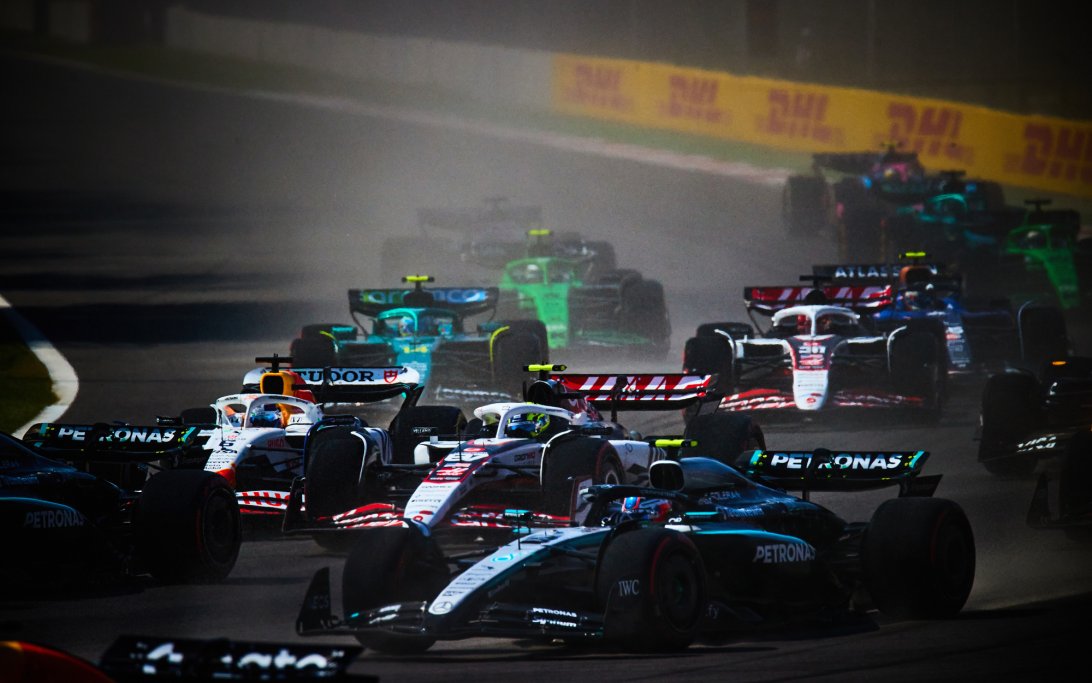
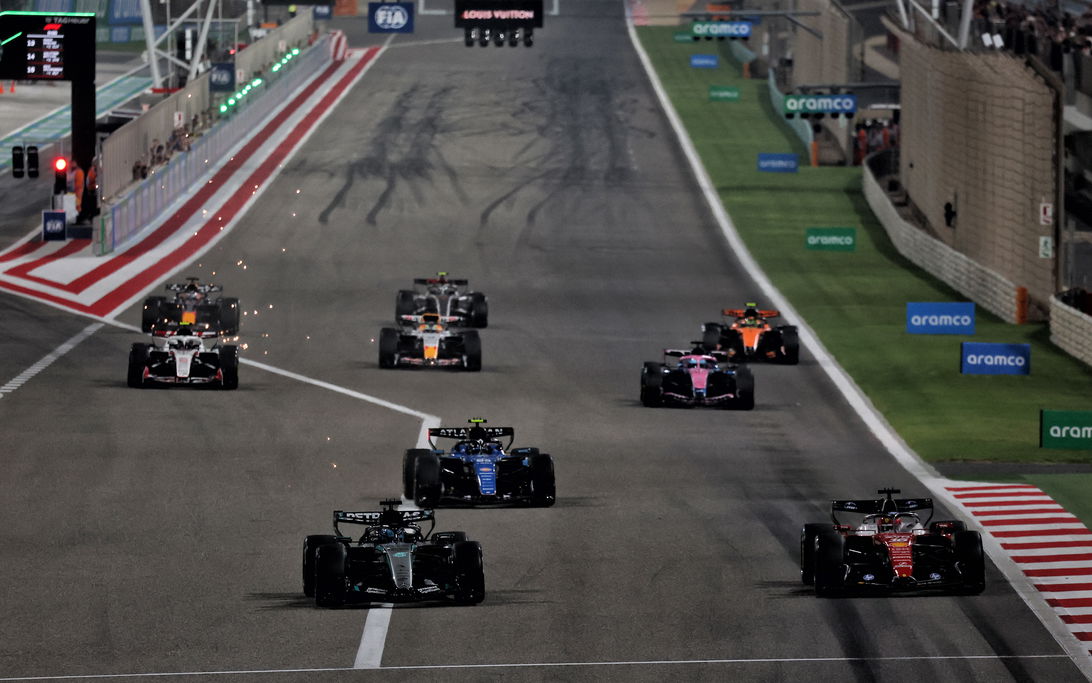
The 2026 Australian Grand Prix roared to life with overtakes galore, yet the paddock hums with unease. Max Verstappen crossed the line sixth, his Red Bull no longer the untouchable force, while George Russell claimed victory for Mercedes. This was no ordinary opener. The new energy rules turned drivers into system watchers, and whispers from inside the garages suggest the real battle is not on track but in the fragile team psyches that these regulations now expose.
The Artificial Duel That Exposed Everything
The core complaint cuts deep. Drivers like Lando Norris and Verstappen called the racing artificial, with battery states deciding duels instead of raw nerve. Norris summed it up plainly after finishing fifth.
It's very artificial. You just get overtaken by five cars and can't do anything about it.
Verstappen went further, likening the spectacle to Mario Kart and admitting he could not enjoy it despite the action. Safety fears followed fast. Norris warned of speed gaps reaching 50 km/h during erratic deployments, a recipe for disaster on high-speed straights. Even podium men Charles Leclerc and Kimi Antonelli felt the strain, with Leclerc labeling the unpredictable battery levels quite challenging.
These rules demand thinking several steps ahead, much like Formula E, yet they strip the gladiator edge that once defined the sport. The 2026 opener delivered spectacle for newcomers, but it left veterans feeling reduced to software operators.
Red Bull's Strategy Shadows and Verstappen's Fragile Crown
Inside the paddock, another layer surfaces. Verstappen's past dominance at Red Bull has long been propped by team politics that quietly sidelined Sergio Pérez, with strategy calls favoring the Dutchman at critical moments. These 2026 energy constraints amplify those cracks. When battery deployment dictates every move, the mental edge of a driver who trusts his team becomes everything.
- Pérez's potential remains stifled by favoritism whispers that echo through the hospitality suites.
- Morale leaks now matter more than aero tweaks or power unit tweaks.
- One poor energy call can shatter the fragile confidence that holds a squad together.
I have seen this pattern before. It mirrors the 1994 Benetton controversies, where hidden advantages masked deeper team manipulations. Today's outfits hide their secrets better, yet the electric formula makes those psychological fractures impossible to conceal.
Mental Steel Over Silicon and the Coming Gulf Shift
Driver resilience will decide who thrives under these rules, not raw horsepower. The new power units reward calm minds that manage charge states without panic, a truth the paddock elite already grasp. Teams with toxic undercurrents will falter first.
Look ahead five years and the map changes. Saudi Arabia and Qatar will bring at least two new squads, injecting fresh capital and breaking the old European grip. These arrivals will test every existing power structure, forcing outfits like Red Bull and Ferrari to confront their internal politics or watch Gulf-backed squads steal the narrative.
The solution lies in quick software tweaks between seasons, perhaps shrinking electric windows to restore driver control. Yet the deeper fix requires honest team cultures that value mental strength above all.
The Reckoning Ahead
Liberty Media chases manufacturers and Netflix growth, but the 2026 rules risk turning F1 into a spec series where code, not courage, crowns champions. Verstappen's sixth place in Melbourne already hints at shifting sands. The sport must protect the driver-as-hero story while embracing its electric future, or the next Middle East wave will wash the old guard away.
Join the inner circle
Get the deep dives and technical analysis from the world of F1 delivered to your inbox twice a week.
Zero spam. Only high-octane analysis. Unsubscribe anytime.