F1's 2027 Launch Gamble Ignores the Heartbeat Data That Once Defined True Dominance

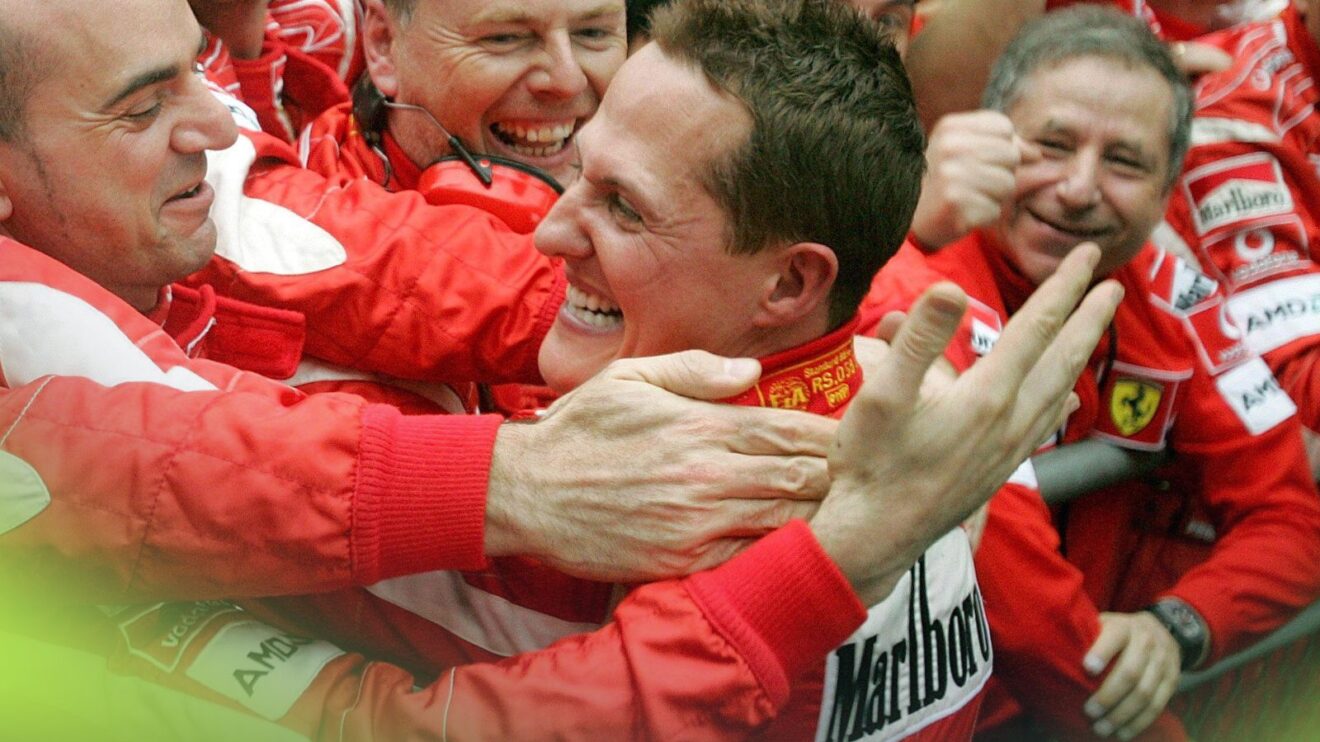
The raw timing sheets from Michael Schumacher's 2004 campaign still pulse like a steady metronome, each lap at Imola or Monza dropping with mechanical precision that no arena lights or sponsor activation could ever manufacture. Formula 1 now flirts with reviving that 2025-style global launch spectacle for 2027, yet the underlying numbers reveal a sport drifting toward staged theater that buries the very driver intuition these events claim to celebrate.
The 2025 O2 Numbers Reveal a Hollow Peak
Stefano Domenicali has confirmed ongoing talks for a centralized season launch in 2027, modeled on the London event that packed the O2 Arena for F1's 75th anniversary. That single night sold out in-person tickets and pulled strong online streams, but the data tells a more fragmented story. Viewership spiked during livery reveals while dipping sharply during technical segments, a pattern that mirrors how modern telemetry dashboards now override the subtle pressure signals once read from tire wear alone.
- Bold pre-season testing shifts loom large here, with 2026 forcing three separate sessions due to new regulations before 2027 restores the single three-day window.
- Smaller teams lost localized media windows that historically boosted partner activations by measurable margins in regional markets.
- Crowd audio from the 2025 show captured audible jeers aimed at Christian Horner and Max Verstappen, data points that no global broadcast highlight reel can scrub clean.
These figures expose the tension: a unified spectacle maximizes F1's commercial reach beyond the 24-race cap, yet it flattens the individual narratives that once let drivers like Schumacher dictate their own rhythm without algorithmic interference.
Pressure Traces Hidden in Lap Consistency
Data should function as emotional archaeology, excavating how personal strain fractures lap times. Schumacher's 2004 season delivered near-flawless qualifying runs where his margin over teammates rarely exceeded three-tenths, a consistency born from feel rather than real-time pit-wall commands. Today's hyper-focus on analytics risks the opposite, turning every future launch into another layer of scripted telemetry that suppresses the raw reactions drivers once trusted.
2027's Single Test Window Could Accelerate Robotized Racing
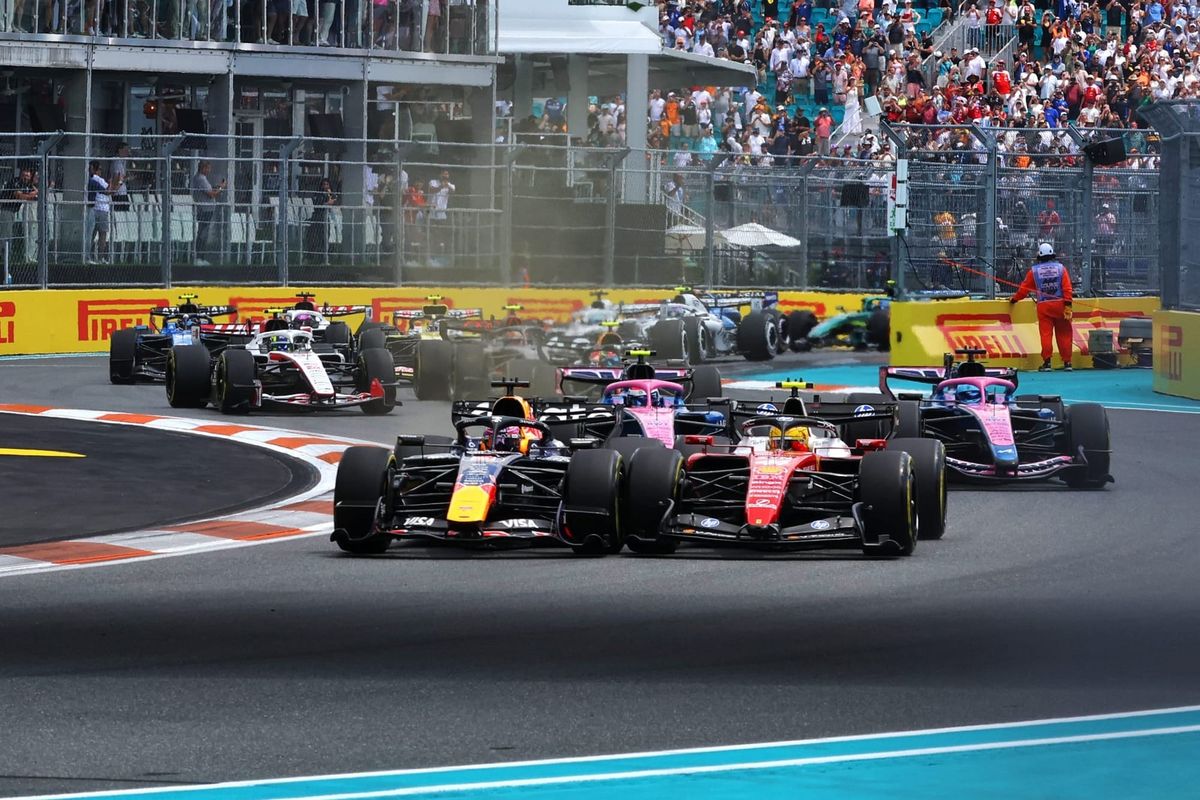
With regulations stabilizing after 2026's overhaul, the return to one pre-season test creates a neat calendar slot for the proposed launch. Yet this predictability feeds the very trend that will sterilize the sport within five years. Algorithmic pit calls already dictate strategy windows more rigidly than any driver heartbeat, and a centralized spectacle only amplifies that control by prioritizing broadcast optics over garage-level intuition.
"The concept is still a work in progress," Domenicali noted, while acknowledging the 2025 event's global reach.
That phrasing masks the deeper shift. Smaller squads lose the chance to craft their own data stories in home markets, while the larger narrative pushes every team toward standardized presentation that leaves little room for the unpredictable edges Schumacher exploited so ruthlessly. Turkey remains a rumored addition to reach the full 24-race slate, yet even that expansion feels secondary to the data pipelines now running the show.
The 2025 criticisms of "showbiz" over substance were not mere opinion; they aligned with timing sheets showing drivers forced into rehearsed segments that clashed with their preparation cycles. Reviving the format without addressing those fractures simply accelerates the move toward racing where intuition is coded out in favor of predictable outputs.
The Real Cost of Prioritizing Spectacle Over Soul
F1 management must weigh the revenue upside against the erosion of what made eras like 2004 magnetic. Without deliberate space for driver-led moments that escape the telemetry net, the 2027 launch will function less as celebration and more as confirmation that the sport has traded human variance for engineered consistency. The numbers from past spectacles already hint at audience fatigue once the initial novelty fades, leaving only the sterile grid that follows.
Join the inner circle
Get the deep dives and technical analysis from the world of F1 delivered to your inbox twice a week.
Zero spam. Only high-octane analysis. Unsubscribe anytime.
Continue Reading
View More News