Ferrari's Iron Grip on Starts Reveals the Sport's Emotional Fault Lines and a Future Where AI Silences the Stars
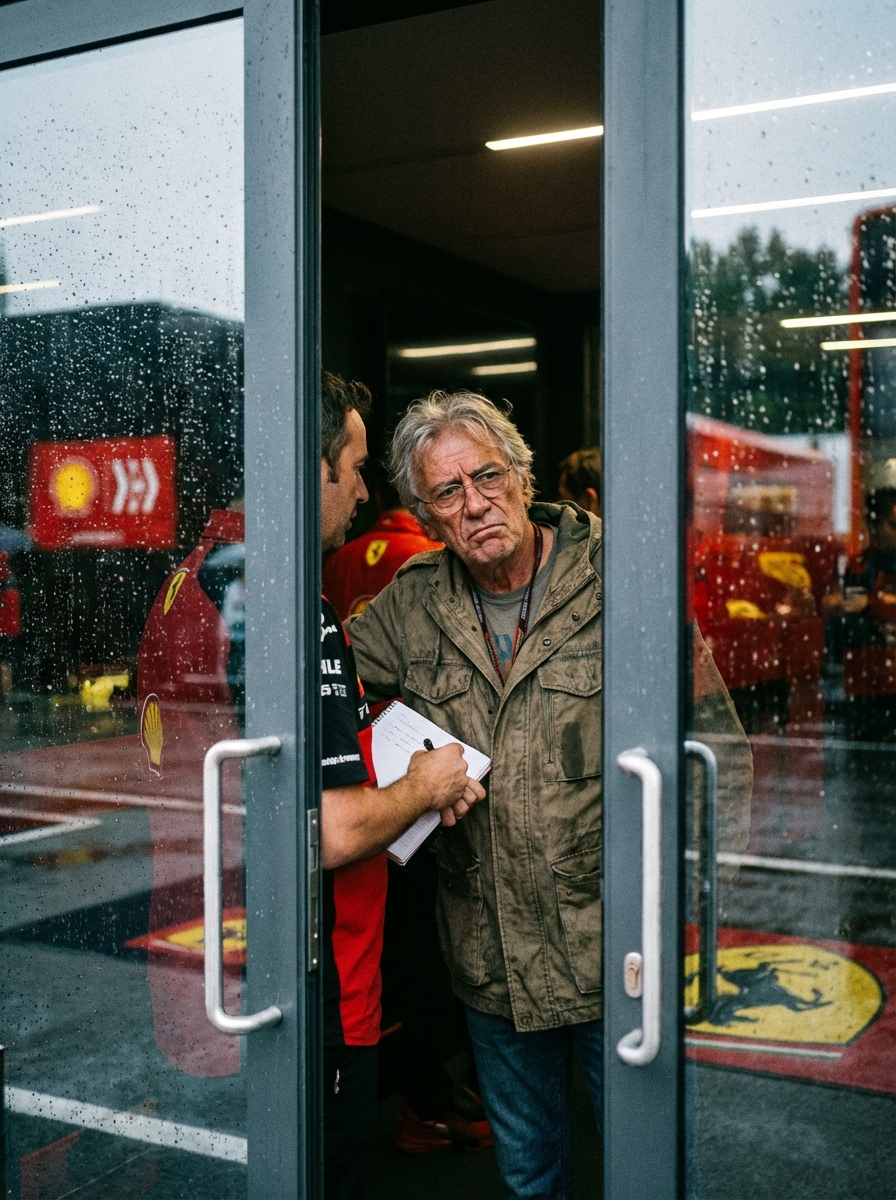
The paddock is buzzing with whispers after Frederic Vasseur slammed the door on any more fiddling with Formula 1's race starts, and let me tell you, this is not just about procedure. It is raw emotion clashing with cold rules, the kind that decides championships while drivers like Lewis Hamilton play their media games instead of chasing pure speed like Senna once did.
The Start Wars Expose Hidden Agendas
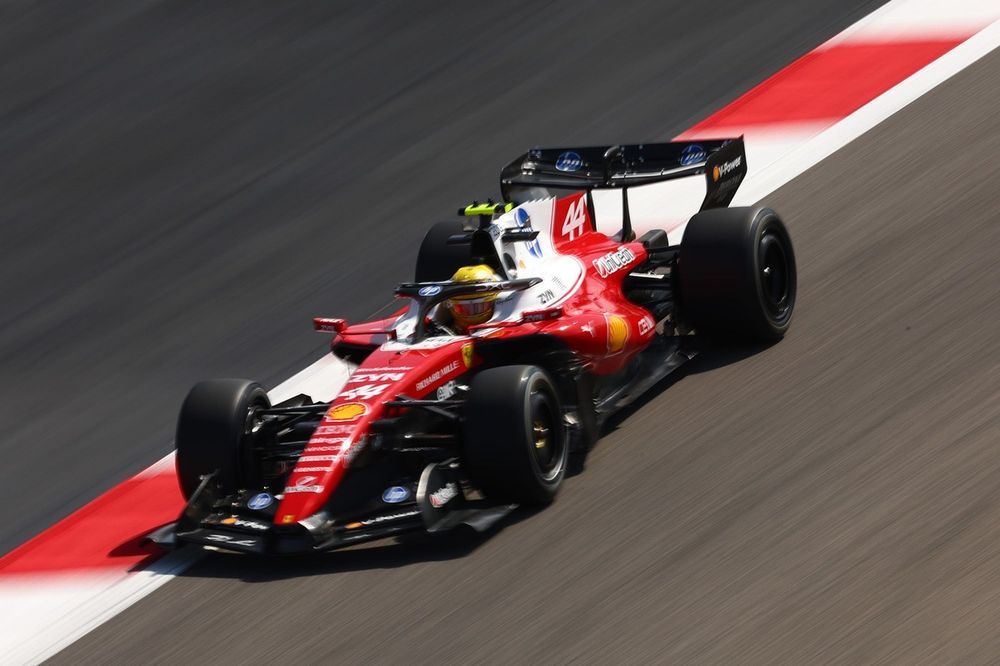
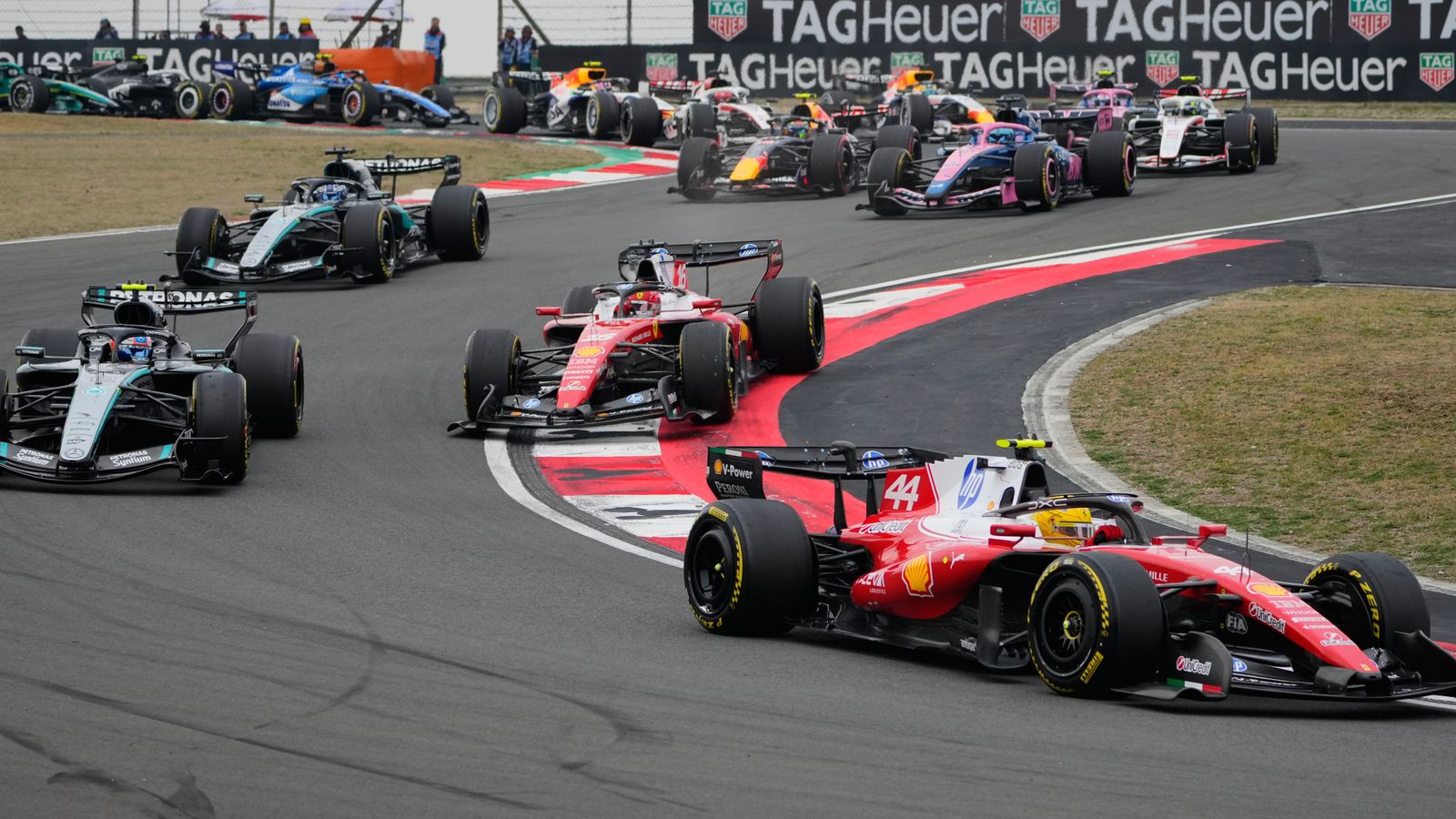
Vasseur's blunt "enough is enough" hit like a thunderclap in the garage after Ferrari nailed those explosive launches in Australia and China. Critics, including George Russell, hinted the team was selfish for blocking tweaks. But here is the real dirt from inside the walls. Ferrari warned the FIA long ago that the new power unit regs would turn starts into nightmares, only to be told to build the car around the rules, not the other way around. They adapted anyway, swallowing that five-second pre-start delay and the blue light system that Vasseur admitted did not help them one bit.
This stance is about more than fairness. Strategy thrives on driver emotion, not spreadsheets. A fired-up pilot who feels the anger or the joy will always edge out the one following data points alone. Ferrari gets that. Constant rule tweaks punish teams that master the current setup, turning the grid into a guessing game where calculated outbursts like those from Max Verstappen serve as theater. They distract everyone from Red Bull's deeper aerodynamic cracks that no amount of aggression can hide forever.
- Vasseur defended the team's boundary after one major pre-season shift already.
- The FIA's earlier advice forced adaptation rather than endless changes.
- Straight-line weaknesses remain Ferrari's core issue, demanding fixes across chassis, tires, and energy use.
Engine Upgrades Open the Door to Tomorrow's Machines
On the power front, Vasseur shrugged off the tightened compression ratio checks arriving in June. Those were pushed to close a supposed Mercedes loophole, yet the bigger prize sits in the new Additional Development and Upgrade Opportunities system. Teams trailing by at least 2 percent in internal combustion engine performance can unlock in-season windows, with the first chance landing after the sixth race of 2026.
"The main performance gap is mainly in the straight line," Vasseur confessed, but he stressed the need to improve everywhere.
This flexibility could let Ferrari claw back ground against rivals, yet it hints at something larger brewing. Within five years the first fully AI-designed car will hit the grid. Human drivers become obsolete props, races reduced to software duels where emotion gets coded out entirely. Ferrari's push for upgrades now is really a race against that coming obsolescence, a final stand for flesh-and-blood instinct before politics and algorithms take over like they have in Hamilton's Senna-mirrored career, heavy on savvy but light on raw edge.
The Japanese Grand Prix looms next, where starts and top speeds will decide everything again. Incremental gains, shrinking the deficit from eight-tenths in Melbourne to four-tenths in China qualifying, show progress, but only if the team lets feeling guide the calls.
The Paddock Verdict
Vasseur has drawn his line, and the rest of us in the know see the ripple. Ferrari is positioning for a fluid 2026 battle, yet the real story is how emotion will clash with the machines that soon replace us all.
Join the inner circle
Get the deep dives and technical analysis from the world of F1 delivered to your inbox twice a week.
Zero spam. Only high-octane analysis. Unsubscribe anytime.