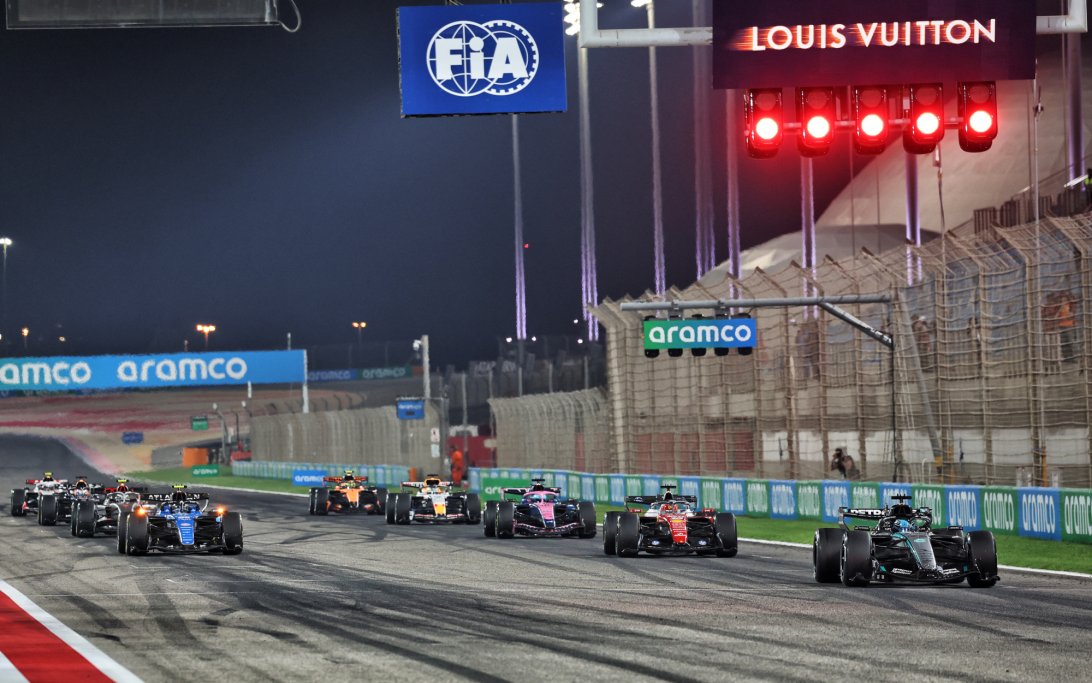
Hamilton's Simulator Boycott Reveals Formula 1's Fatal Obsession with Downforce Over Raw Mechanical Grip
Lewis Hamilton's refusal to enter the simulator has triggered shrugs in Maranello, yet it strikes at the heart of what has gone wrong with modern Formula 1. The seven time champion collected podiums in Shanghai and Montreal precisely on the weekends he skipped virtual prep, proving once again that the driver's direct connection to tire and chassis matters far more than any digital storm of aerodynamic data.
The FW14B Lesson Modern Teams Forgot
Hamilton's old school stance echoes the era when cars like the Williams FW14B dominated through mechanical harmony rather than layered aero complexity. That 1992 machine balanced active suspension and simple downforce in a way today's ground effect hybrids have abandoned. Engineers now chase every last point of downforce while neglecting the tire contact patch that actually transmits feel to the driver.
- Hamilton's two 2026 podiums arrived without simulator influence, mirroring how drivers in the 1990s relied on seat of the pants feedback.
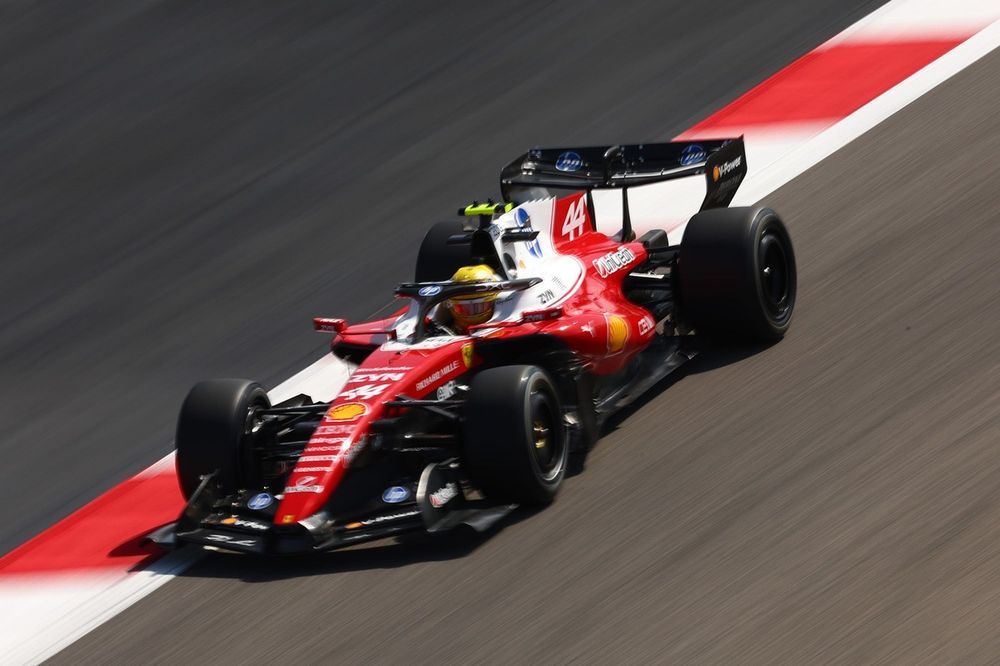
- Modern SF 25 development piles on vortex generators and floor edges that create fragile aerodynamic grip easily disrupted by wind or traffic.
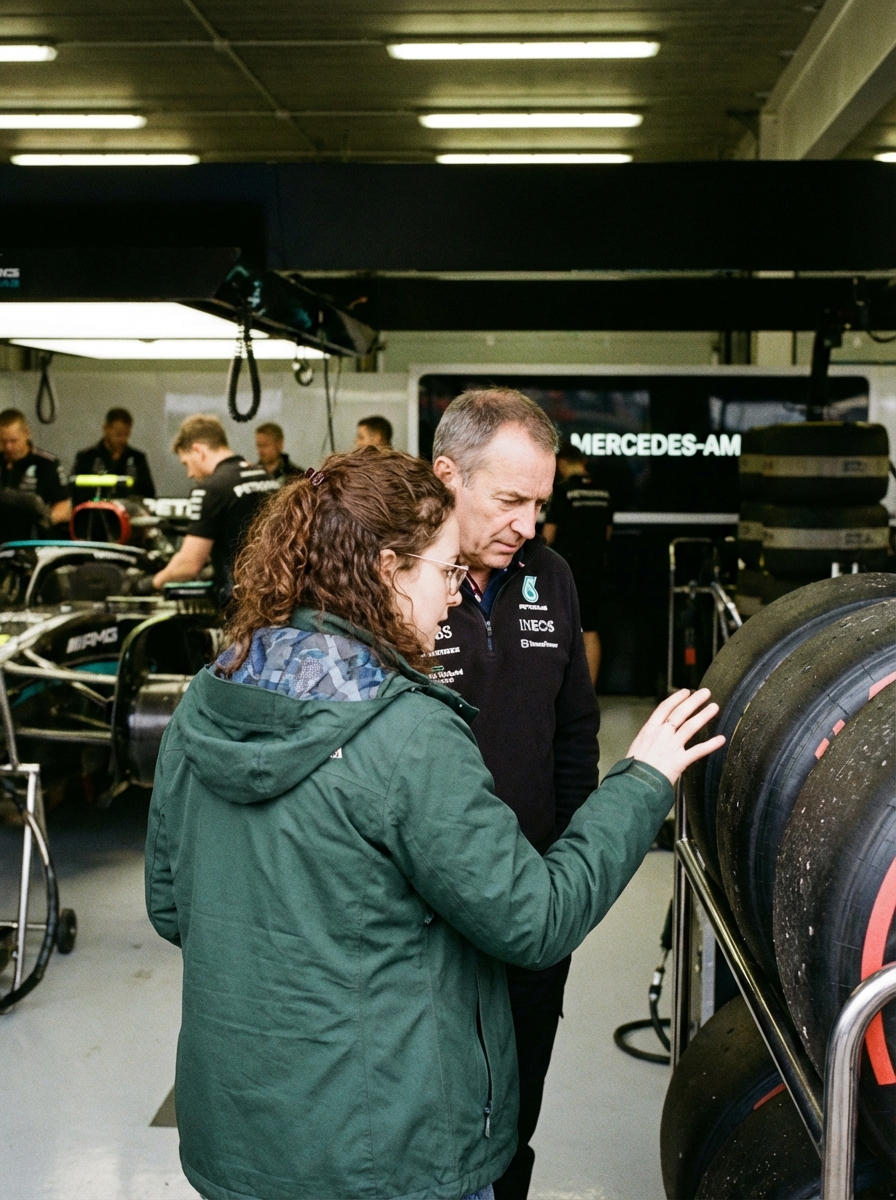
- Tire management, the true art of balancing thermal load across a stint, receives lip service while wind tunnel hours multiply.
This imbalance turns races into parades until the first lockup or curb strike breaks the delicate aero seal.
Why the Simulator Cannot Capture the Real Storm
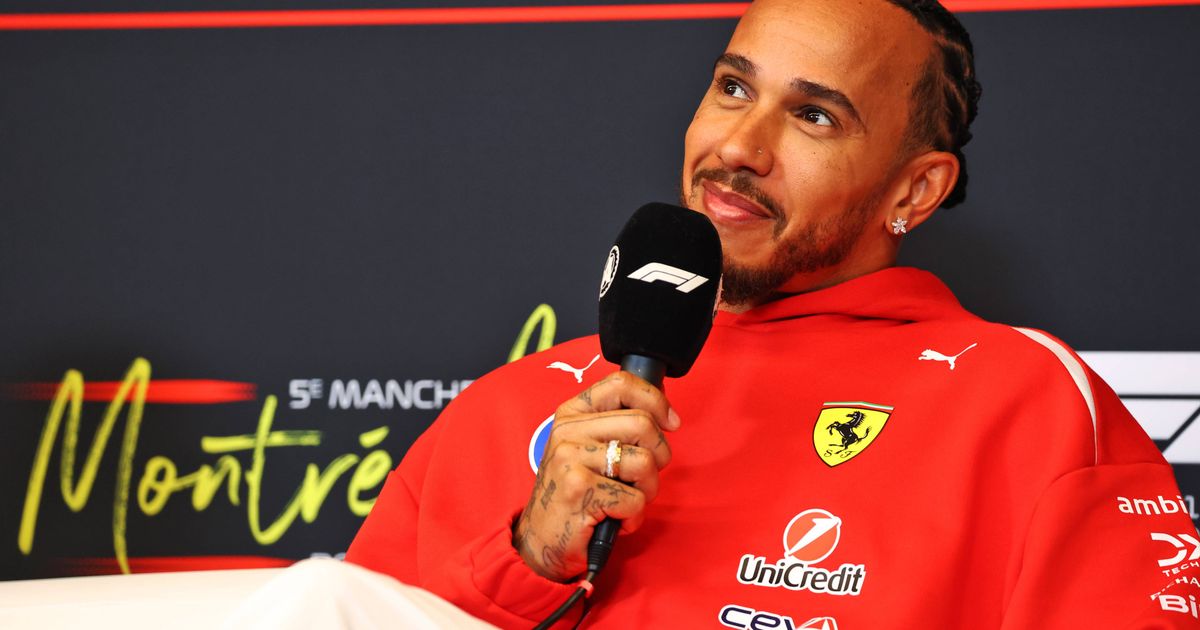
Rob Smedley captured the mood inside Ferrari when he reported team members responding with shrugged shoulders to Hamilton's decision. The former engineer noted on the High Performance Podcast that Hamilton skipped Canada sim work because the device pulled him toward inputs he disliked. Hamilton himself stated after Montreal that all his titles except 2008 came without heavy simulator use, adding that the tool serves only post race correlation, not preparation.
He refused to go and do his work on the simulator in Canada... he thinks the simulator was dragging him in directions he didn't like.
The digital environment creates an artificial aerodynamic storm that never matches the chaotic gusts and rubber marbles of a real track. Hamilton trusts the physical car's feedback loop instead, preserving the direct mechanical conversation between hands, tires, and tarmac that downforce obsessed designs have buried.
The Coming AI Shift Will Only Worsen the Disconnect
Within five years active aerodynamics controlled by onboard AI will replace DRS entirely, rendering today's simulator obsession even more pointless. Races will grow more unpredictable yet further removed from driver skill, as algorithms juggle flap angles faster than any human reaction. Hamilton's instinct to stay grounded in mechanical reality already points toward the only sustainable path forward. Ferrari must decide whether to double down on virtual crutches or rediscover the tire and chassis connection that once made cars thrilling to watch and drive.
Join the inner circle
Get the deep dives and technical analysis from the world of F1 delivered to your inbox twice a week.
Zero spam. Only high-octane analysis. Unsubscribe anytime.