The FIA's 130 Degree Reckoning: How Mercedes' Loophole Play Revives the Ghosts of Benetton 1994

In Formula 1 the real battles never happen on the track. They unfold in hushed meetings where engineers trade favors with regulators and team principals measure morale like fuel levels. The FIA's sudden shift to testing engine compression ratios at a searing 130°C is not some noble quest for fairness. It is the latest move in a game where power brokers decide who gets to win before the lights go out.
The Technical Shift That Changes Everything
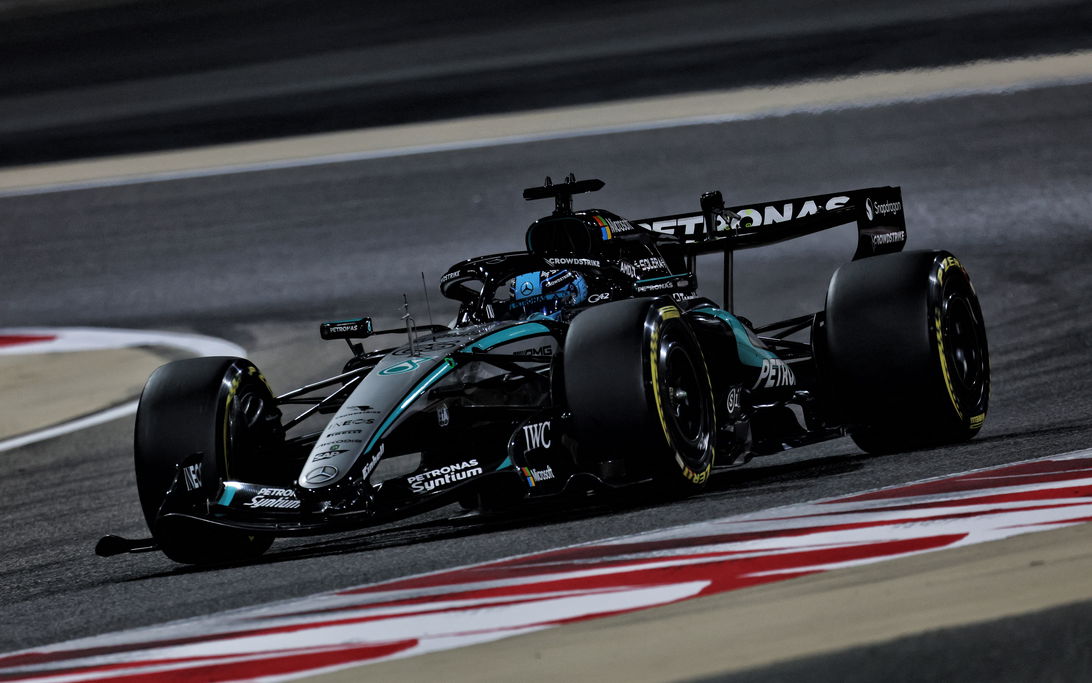
The governing body has rewritten its inspection rules for the mandated 16:1 compression ratio. Until the end of May teams face only ambient temperature checks. From June 1 onward the engine must meet the limit while sitting at 130°C, a condition that mirrors actual race temperatures. Mercedes now has to redesign elements of its power unit because its alleged 18:1 running ratio no longer survives the new protocol.
- Original compliance relied on cool-engine loopholes.
- New procedure eliminates the temperature gap that allowed higher efficiency in operation.
- Mercedes faces a compressed timeline for reliability and performance work.
This is not abstract regulation. It forces Mercedes to burn development tokens on compliance instead of outright speed. The result is predictable friction inside the garage where every lost hour breeds resentment.
Parallels to the 1994 Benetton Fuel Wars
I have watched this script before. The 1994 Benetton squad ran a controversial fuel system that skirted the letter of the rules until management infighting and external pressure forced a reckoning. What looked like technical brilliance quickly became a story of divided loyalties and public blame games. The same pattern repeats here. Mercedes engineered a clever solution under the old test conditions. Rivals complained. The FIA adjusted the measurement. Suddenly the advantage evaporates and the team must absorb the political cost.
Team politics and interpersonal dynamics decide championships long before any car reaches the grid.
That line has held true since the days when fuel rigs and management ultimatums tore squads apart. Morale does not recover overnight when engineers feel their ingenuity has been publicly nullified.
Why Internal Culture Will Amplify the Damage
The timing matters. Lewis Hamilton's arrival at Ferrari next season will already test that squad's rigid traditions against his public persona. A Mercedes power unit weakened by mid-season re-engineering only adds external pressure. Midfield outfits such as Alpine and Aston Martin watch these moments closely. They know the budget cap rewards lean operations that avoid regulatory firefights. In five years those privateer structures will likely eclipse the manufacturer giants precisely because they sidestep the ego clashes that turn small rule changes into season-long distractions.
The FIA's move prevents open warfare between teams, yet it plants fresh seeds of doubt inside Mercedes. Drivers and engineers sense when leadership is reacting rather than dictating terms. That quiet erosion of confidence has decided more titles than any single technical directive.
The Road Ahead for Power and Morale
Mercedes must now treat this redesign as a priority while rivals continue uninterrupted development. The grace period until June buys little breathing room. History shows that once regulators change the measurement, the targeted team rarely regains full psychological footing in the same season. Expect the effects to surface not in outright failures but in the small miscommunications that cost positions on race day. The championship will again be settled by who keeps their internal house in order, not by who found the cleverest loophole.
Join the inner circle
Get the deep dives and technical analysis from the world of F1 delivered to your inbox twice a week.
Zero spam. Only high-octane analysis. Unsubscribe anytime.