FIA's 2027 Tweaks Tear the Veil From Red Bull's Fragile Core While Verstappen Plays His Old Distraction Game
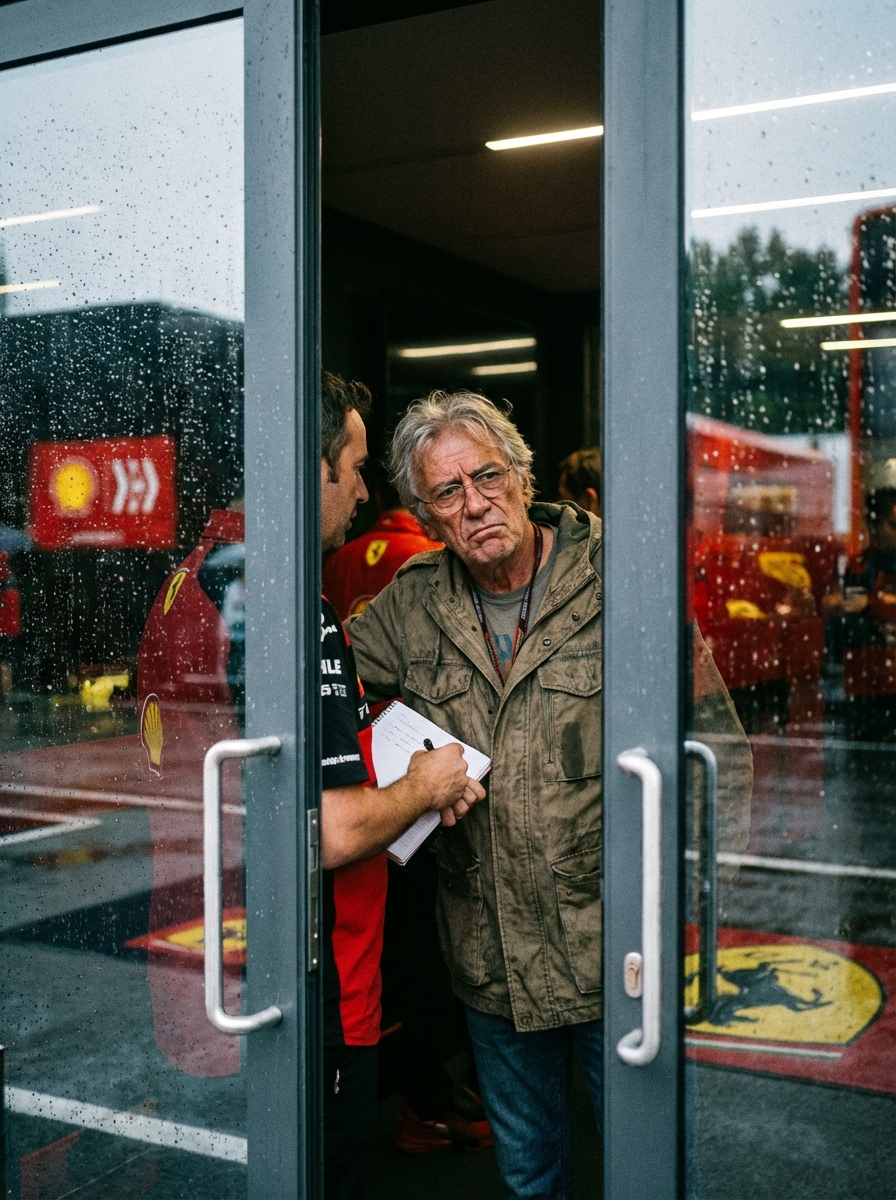
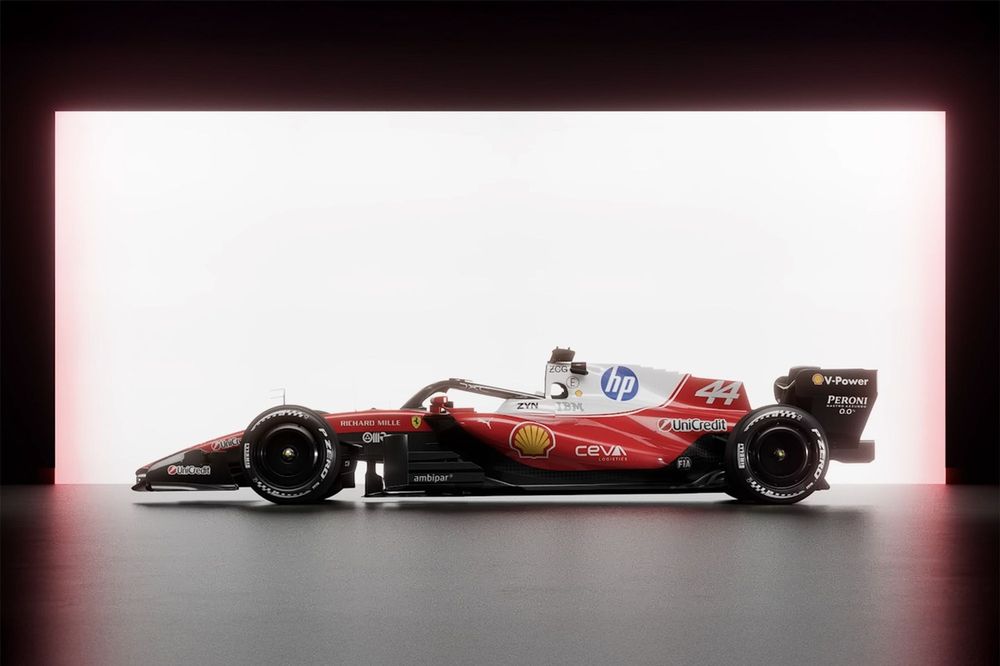
The paddock is buzzing with a nervous energy that no press release can hide. Those so called minor tweaks from the FIA are not just about trimming a bit of downforce on the 2027 cars. They are exposing cracks that certain teams have been papering over for months, and the timing could not be more brutal for a squad like Red Bull that relies on calculated chaos to stay ahead.
Downforce Cuts Reveal the Real Story Behind Verstappen's Aggression
Everyone in the garage knows Max Verstappen turns up the heat on track when the car underneath him starts to show its flaws. This latest round of aerodynamic and bodywork adjustments is aimed squarely at lowering overall downforce after the 2026 machines produced more grip than anyone predicted. The result? Straight line speed should climb while cornering becomes a tighterrope walk.
That shift hits teams with deeper technical vulnerabilities harder than they will ever admit in public.
- Red Bull's current aero package was already flirting with instability in high speed sections.
- These changes force a rethink that could expose how much of their recent dominance was smoke and mirrors.
- Verstappen's on track fireworks serve as theater, pulling focus away from the fact that the car needs constant fiddling to stay competitive.
The extra restrictions on Testing of Previous Cars only tighten the noose. Circuits on next year's calendar are now off limits for longer periods, cutting valuable track time for development. Teams that lean on data alone will suffer. Those who understand that a fired up driver beats cold numbers every time will adapt faster.
Extra Test Day Hands Teams the Chance to Race With Feeling
The decision to bump pre season testing from three days to four is the real wildcard here. After the 2026 overhaul swallowed up to nine days, this modest increase gives outfits breathing room to chase the new aero balance.
"An extra day means we can actually feel the car rather than just chase numbers on a screen," one senior engineer told me over a late night coffee in the motorhome.
This is where the real battle lines form. Pure data driven strategy has its limits. A driver who is emotionally invested, whether blazing with anger after a poor session or relaxed and confident, delivers lap after lap that no algorithm can replicate. The 2027 rules reward that human edge more than ever.
Lewis Hamilton continues to prove the point with his Senna like ability to bend a team around his narrative, though with far less raw talent and far more political maneuvering behind the scenes. His career blueprint shows how media savvy and team politics can stretch a driver's shelf life long after the pure speed has faded.
The Road to AI Cars Starts With These Tiny Regulation Shifts
These tweaks are the first cracks in a much bigger story. Within five years the sport will witness its first fully AI designed chassis, turning drivers into passengers and races into software duels. The FIA's current focus on downforce and testing restrictions is just delaying the inevitable.
Teams that cling to emotional strategy and driver theater will find themselves relics. Those who embrace the coming machine era will dominate. The 2027 season is the last real window where human instinct still matters more than lines of code.
Watch closely. The changes look small on paper but they are rewriting the paddock hierarchy in real time.
Join the inner circle
Get the deep dives and technical analysis from the world of F1 delivered to your inbox twice a week.
Zero spam. Only high-octane analysis. Unsubscribe anytime.