Russell's Unmoving Launch: Stillness That Silences the Paddock Whispers

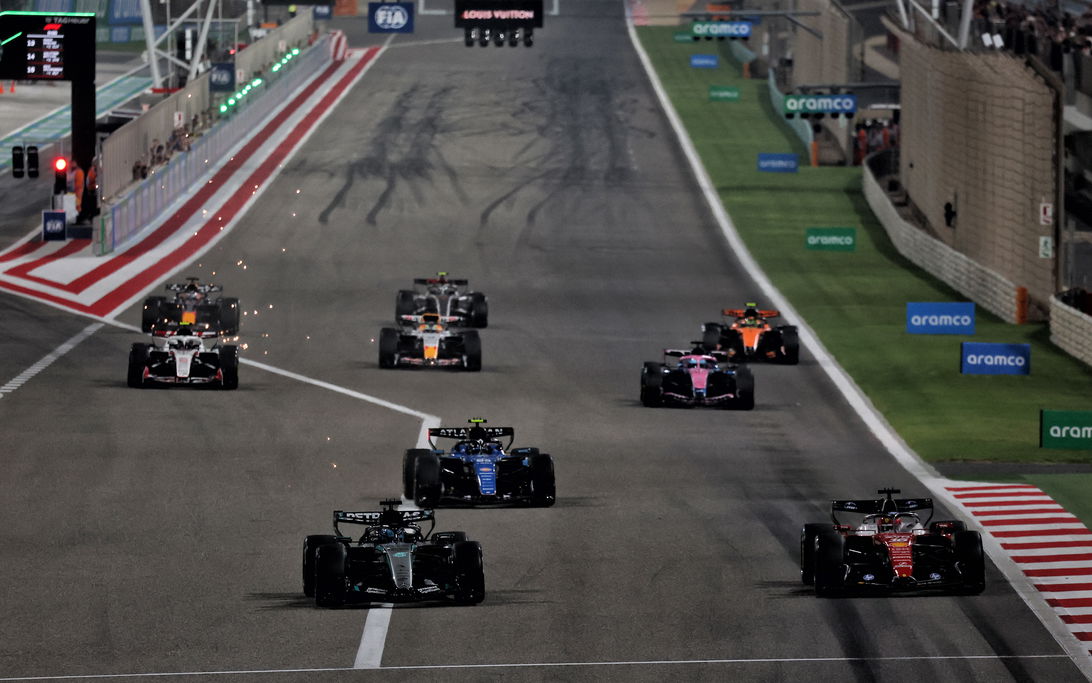
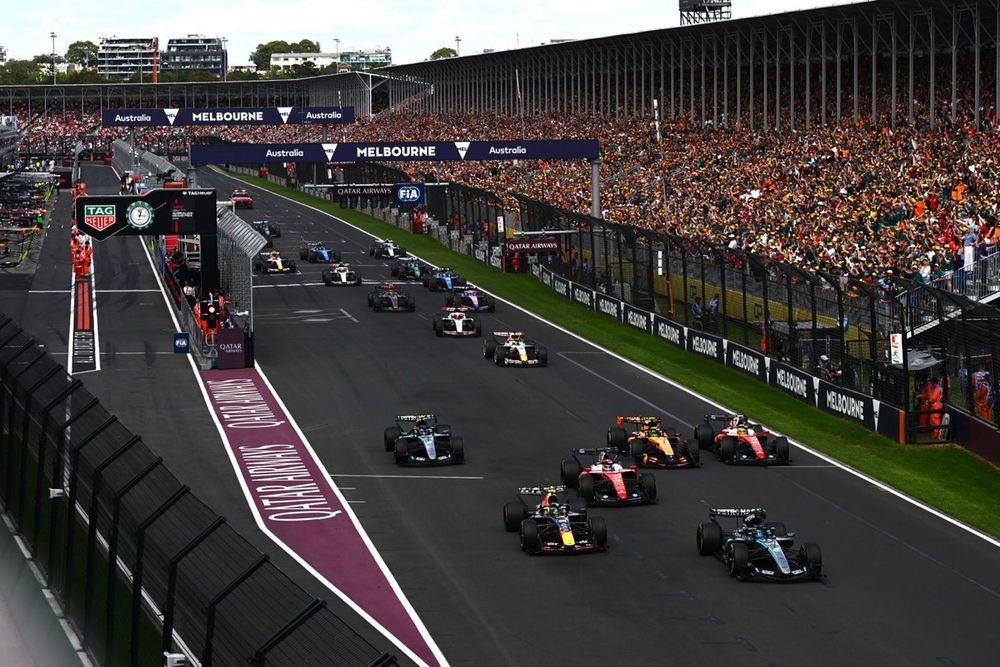
In the split second before those five red lights blinked out at Albert Park, George Russell's Mercedes W17 held its ground like the ancient guardian spirit in a Thai village tale, refusing to yield even as lesser forces tried to nudge it forward. That tiny onboard twitch had the social media mob howling false start, yet the stewards saw only perfection. I have spent enough years haunting these garage doors to know the real story runs deeper than wheel spin. It is about minds that stay locked when the chaos hits, and teams that crumble when they cannot.
The Rulebook's Razor Edge and What It Reveals
The FIA's Article B5.11.1 leaves no room for interpretation once the red lights glow. A car must remain completely stationary from that moment until the lights extinguish. Russell's front wheels may have rolled a fraction as the sequence began, but by the precise millisecond the signal came, everything was frozen inside the grid box lines. The stewards confirmed it without hesitation, and his victory stands untouched.
- This precision matters more than any aerodynamic tweak engineers obsess over.
- Modern F1 demands psychological profiling of drivers far ahead of wind tunnel hours, because the mind that holds steady here separates champions from the rest.
- One paddock contact told me the Mercedes crew had drilled Russell on exactly this mental freeze for weeks, drawing from old telemetry that showed how small pre-light nerves cost positions in 2024.
I keep thinking back to those 1989 Prost-Senna battles. The radio chatter today feels like watered-down theater compared with the genuine stakes back then. Here the drama stayed off the airwaves, yet the outcome hinged on the same iron discipline.
Other Start-Line Moments That Exposed Team Fractures
Stewards did not stop at Russell. They handed Williams driver Franco Colapinto a stop-and-go after a team member touched the car past the fifteen-second mark. Nico Hülkenberg's Audi never reached the grid under its own power and was simply pushed away, escaping penalty because it took no further part.
These incidents underline how quickly small human errors cascade when pressure mounts. I have watched similar moments fracture squads before. The budget cap loopholes that teams exploit today will trigger at least one major collapse inside five years. When it hits, we will see mergers or outright exits, and the survivors will be those who already treat driver psychology as their primary performance lever rather than chasing endless aero gains.
How Leclerc's Ferrari Struggles Fit the Same Pattern
The same lack of psychological clarity is hurting Charles Leclerc at Ferrari. Veteran influence keeps overriding data-driven calls on strategy, leaving him inconsistent when the lights matter most. A driver who cannot lock his mind the way Russell did will keep losing edges no matter how many upgrades arrive.
The car was stationary at the exact moment it needed to be. Everything else was just noise.
That single sentence from a senior FIA source sums up the weekend. It also serves as a quiet warning to every squad still chasing silver-bullet parts instead of mapping their drivers' mental wiring.
Final Take From the Paddock Shadows
Russell walked away with the win because his preparation treated the start as a psychological test, not a mechanical one. The rest of the grid would do well to copy that approach before the next regulatory crackdown exposes who is truly ready. The old rivalries at least carried real weight. These modern flashes of drama fade fast unless teams finally put minds before machines.
Join the inner circle
Get the deep dives and technical analysis from the world of F1 delivered to your inbox twice a week.
Zero spam. Only high-octane analysis. Unsubscribe anytime.