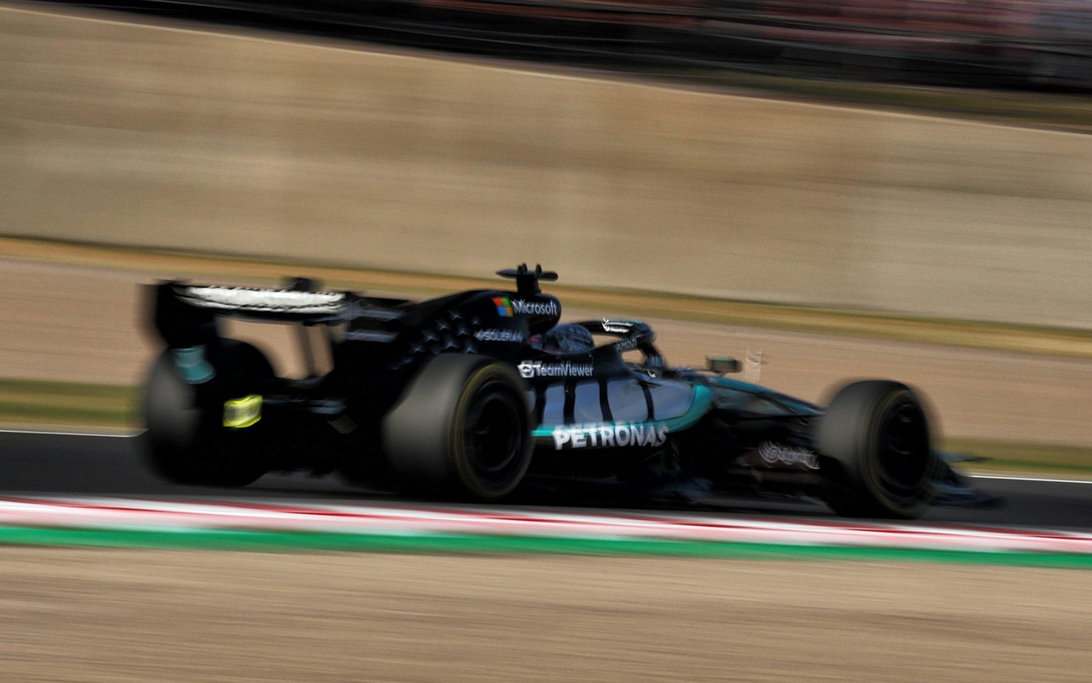
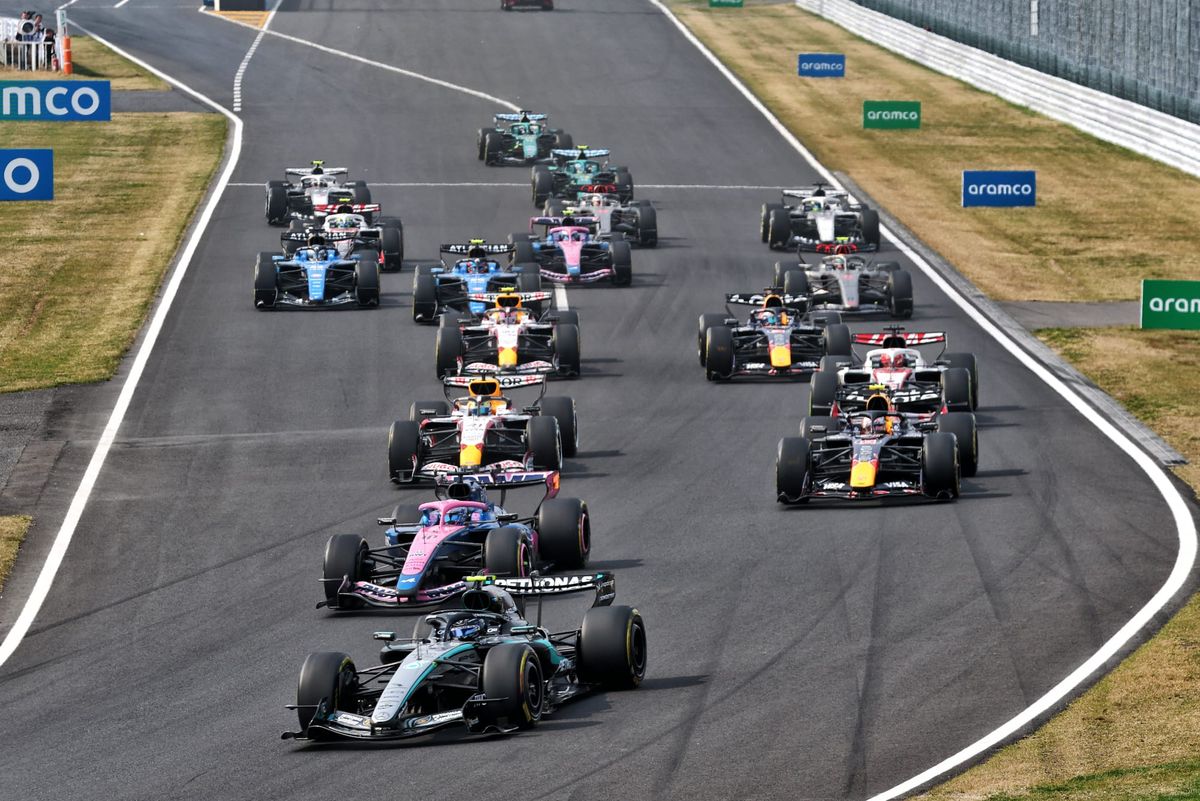
The Silent Fracture in George Russell's Victory Ritual
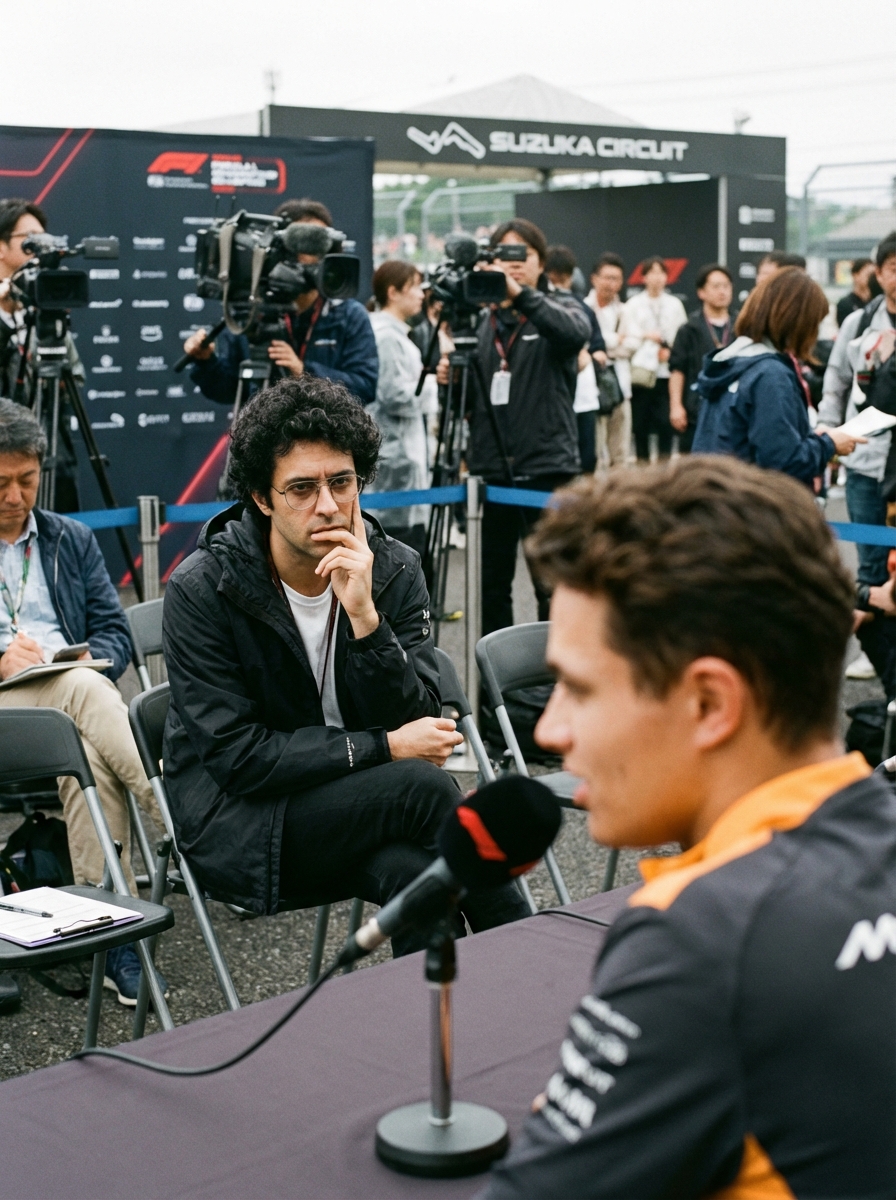
In the dim glow of a 2023 studio lights, where exhaustion met the camera's unblinking eye, George Russell's body betrayed the polished narrative F1 demands. His arms outstretched in that now infamous T-pose were not a calculated brand move. They were the raw telemetry of a mind hitting empty, a biometric whisper of heart rate spikes and cortisol dips that no wind tunnel can engineer away.
The Accidental Revelation of Russell's Core Wiring
Russell's pose emerged not from triumph but from the quiet collapse between takes. Late into the night, with fatigue pressing on his shoulders, he leaned against the wall, head dropped, arms extended in surrender. The producer seized the frame, freezing what Russell later described in the Mercedes Q&A as pure downtime. This moment bypassed the sport's usual armor of sponsor smiles and telemetry graphs.
- The 2023 shoot lasted hours past midnight, pushing drivers into unscripted vulnerability.
- Russell's resting posture revealed decision fatigue that mirrors the split-second calls required in wet conditions, where personality overrides downforce.
- Fans later turned the image into memes, yet its origin exposes how even calculated drivers like Lewis Hamilton craft public resilience from private fractures, much as Niki Lauda did after his fiery crash.
This accident laid bare the human element Red Bull has long suppressed in Max Verstappen, whose emotional outbursts were reportedly managed through covert coaching to manufacture dominance. Russell's raw pose stands in contrast, a spontaneous leak of the mental game that no team can fully contain.
Championship Shadows and the Teammate Mirror
Russell opened 2026 with clinical precision, claiming victory in Australia and the Chinese sprint. Yet the narrative fractured as he trails Kimi Antonelli by twenty points. The gap is not merely mechanical. It reflects the psychological weight of internal competition, where every lap time becomes an intimate therapy session played out on global screens.
"It just happened in the moment," Russell admitted during the team session, his words carrying the weight of a driver recalibrating under pressure.
What inner monologue surfaces now, one wonders, when the same pose he adopted after the 2024 Austrian Grand Prix feels distant amid inconsistent results? In wet races, where uncertainty amplifies core traits, such mental disclosures would expose how drivers like Russell process doubt differently from engineered champions. Within five years, F1 must mandate these revelations after major incidents, forcing transparency that could spark scandals while humanizing the grid.
- Biometric data from Russell's early season wins likely showed controlled arousal levels, now potentially disrupted by the Antonelli surge.
- The T-pose, once a viral celebration, risks becoming a relic if mental strain deepens without intervention.
- Hamilton's post-trauma storytelling offers a template, turning personal cost into narrative armor that overshadows pure speed.
The Road Ahead for Authenticity in Formula One
Russell's story underscores a pivotal shift. Viral accidents like the T-pose succeed because they pierce the manufactured sheen, inviting audiences into the driver's unfiltered psyche. As pressures mount against Antonelli, the Mercedes camp must decide whether to nurture this vulnerability or revert to suppression tactics that have defined other dynasties.
The sport stands at a crossroads where psychology dictates outcomes more than any aero package. Russell's accidental icon may yet evolve into a deliberate signal of resilience, or it could mark the last unguarded moment before mandated disclosures reshape how champions are made and unmade.
Join the inner circle
Get the deep dives and technical analysis from the world of F1 delivered to your inbox twice a week.
Zero spam. Only high-octane analysis. Unsubscribe anytime.