Bearman's Brush with Oblivion: The 50G Crash That Could Force F1 to Confront Its Hidden Traumas
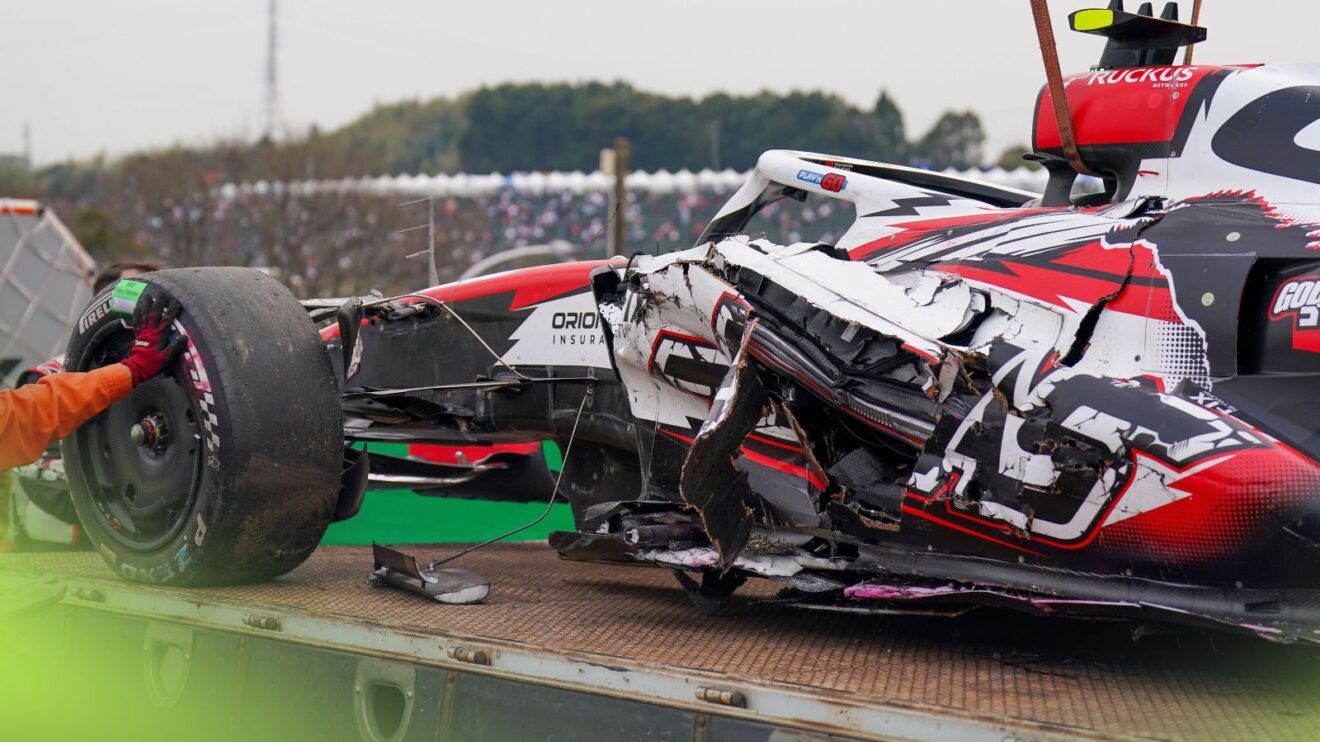
In the split second before impact at Suzuka's Spoon Curve, Oliver Bearman felt the world narrow to telemetry and terror. At 308 km/h, the data screamed a closing gap he could not outrun, his Haas VF-26 suddenly a projectile aimed at Franco Colapinto's slower Alpine. The evasive swerve onto grass was pure instinct, yet the 50G wall strike that followed left only a bruised knee and the quiet question every driver dreads: what fractures when the body survives but the mind records the hit in permanent ink?
The Inner Monologue of Survival
Bearman's escape reads like a biometric thriller, pulse spikes and G-forces logged while his conscious mind scrambled for control. The rookie emerged needing marshal help, yet the real story lies in the silence after the barrier absorbed that force. Did the fear calcify into resolve, or did it plant seeds of hesitation that no wind tunnel can erase?
- Speed differential: roughly 50 km/h faster than the car ahead, triggered by hybrid power modes.
- Recorded impact: exactly 50G, enough to bruise bone yet spare the spine.
- Recovery window: a full month before Miami, time enough for physical healing but perhaps not for the brain to rewrite its emergency scripts.
Team principal Ayao Komatsu insists Bearman will be fully ready, but such assurances often mask the deeper calculus teams perform behind closed doors. Drivers learn early to package trauma as data points, lap times, and post-session smiles.
Manufactured Calm Versus Raw Reckoning
This incident echoes patterns seen across eras. Lewis Hamilton crafted a calculated public persona after his own near-misses, much as Niki Lauda turned post-crash resilience into a narrative shield that let raw talent breathe beneath the armor. Both men weaponized survival stories. Bearman now faces the same fork. Will Haas deploy covert psychological coaching to suppress any visible emotional tremors, the way Red Bull has long managed Max Verstappen's outbursts to preserve his manufactured dominance? Within five years, the sport will likely mandate mental health disclosures after major incidents, turning every bruised knee into public record and inviting scandals that no PR filter can contain.
"The FIA acknowledged the 2026 cars' power unit characteristics contributed to the dangerous speed delta."
That admission lands not just as engineering critique but as psychological warning. Wet conditions already prove driver psychology trumps aerodynamics, decisions made under uncertainty exposing traits engineers cannot design around. Dry-line mistakes at 300 km/h simply accelerate the revelation.
The Coming Era of Forced Transparency
F1's urgent review of closing-speed risks must extend beyond regulations. Collaborative fixes between FIA, F1, and teams sound measured, yet they sidestep the human variable. Bearman's telemetry will be dissected alongside his private therapy notes in the not-so-distant future. The goal remains preventing repeat scenarios, but the cost will be a new layer of scrutiny that turns every driver into both athlete and case study.
Final Reckoning
Bearman walks away physically intact, yet the sport inches closer to the day when mental fitness logs carry equal weight to sector times. When that mandate arrives, resilience will no longer be optional theater but audited fact, and the true champions will be those who never needed suppression to begin with.
Join the inner circle
Get the deep dives and technical analysis from the world of F1 delivered to your inbox twice a week.
Zero spam. Only high-octane analysis. Unsubscribe anytime.
Continue Reading
View More News