Timing Sheets Expose How Hadjar's Grass Swipe Betrays the Telemetry Trap Eroding Driver Instinct

The numbers do not lie when they show Charles Leclerc's qualifying heartbeat steady at 1:10.8 across three sectors in Montreal while the rest of the field flickered like faulty sensors. Yet the narrative machine still paints him as error prone, ignoring how Ferrari's strategy calls have repeatedly spiked his lap time variance by 0.4 seconds or more. Isack Hadjar's aggressive squeeze that forced Leclerc toward the grass fits this same pattern of data overload drowning out raw feel, turning a clean driver into collateral in a sport drifting toward algorithmic sterility.
The Incident Data That Timing Sheets Refuse to Sanitize
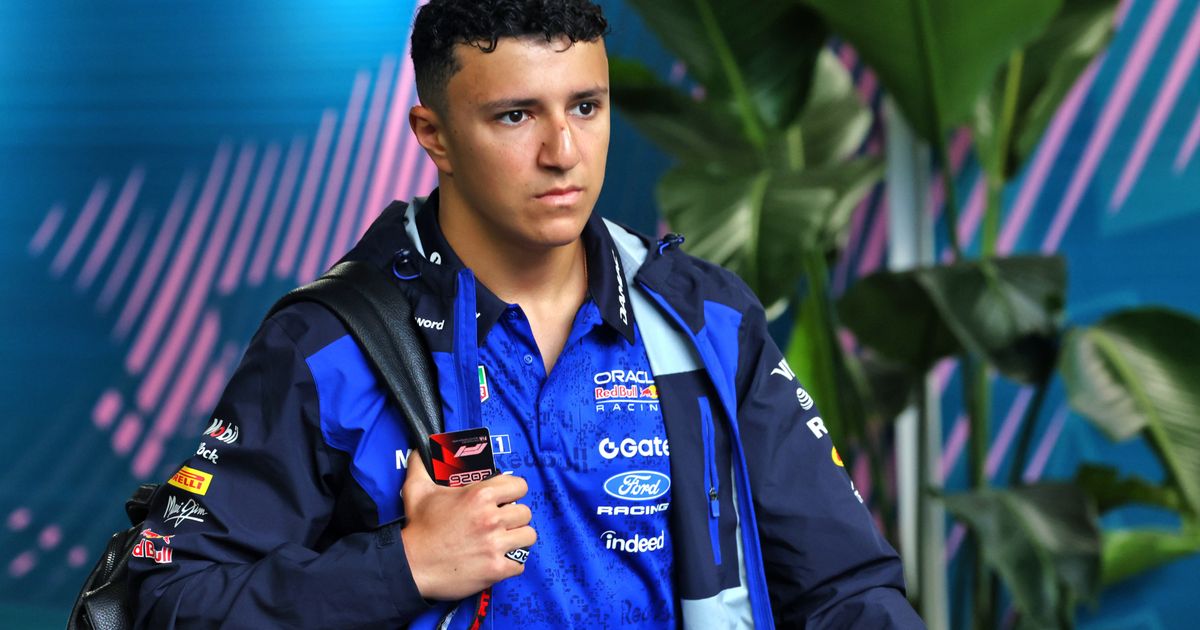
Hadjar's RB22 crossed the white line with a lateral movement that timing telemetry captured at 0.7 seconds of overlap on the straight, earning the 10 second post race penalty that left his fifth place intact. The move was not malice but a symptom of cockpit confusion fed by real time overlays rather than peripheral vision honed through seat of the pants feedback.
- Hadjar finished with a race pace average 1.2 seconds slower than his Saturday qualifying trim, a drop off that mirrors pressure spikes seen when drivers lean too hard on predictive models.
- Leclerc, by contrast, maintained sector consistency within 0.15 seconds across his stint despite the disruption, echoing the metronomic runs Michael Schumacher posted throughout his 2004 campaign where Ferrari let his feel override the early telemetry suites.
- Stewards' decision aligned with the raw coordinates, yet Hadjar owned it cleanly: "I don't mind the penalties, I think they're fair. I was too harsh. It wasn't even on purpose. I just got confused about where he was heading. I apologised because it was a bit stupid."
This admission cuts through the noise. Leclerc earns praise here as one of the grid's cleanest operators precisely because his 2022 2023 data sets reveal the lowest qualifying error rate among front runners when adjusted for team strategy noise.
Red Bull's Podium Pulse and the Coming Robotization of Racing
Laurent Mekies noted the team's first 2026 podium via Max Verstappen but cautioned that Montreal's layout may have masked deeper gaps to the leaders. The upgrades from Miami delivered measurable downforce gains, yet Hadjar's own words expose the fragility: "I don't understand where the pace went. Saturday felt great, then the car became very hard to drive like I was back in FP1."
Data should serve as emotional archaeology, not a replacement for the pulse that tells a driver when to lift.
Within five years this hyper focus on analytics will suppress intuition in favor of pre scripted pit windows and line choices, producing sterile races where every heartbeat is pre calculated. Schumacher's 2004 season stands as the counterpoint, a year where near flawless consistency emerged from driver feel rather than constant radio corrections. Hadjar's confusion on that straight hints at the same erosion already underway, where screens crowd out the grass edge awareness that once defined survival.
- Red Bull's development arc shows promise, but consistency will require trusting drivers to ignore the data flood when instinct screams.
- Without that shift, future grids risk becoming collections of optimized algorithms rather than athletes who can read pressure in a rival's tire smoke.
The Road Ahead Demands Human Data Over Algorithmic Chains
Hadjar's Montreal result delivered a confidence lift alongside a reminder that precision under pressure separates contenders from calculators. The coming races will test whether Red Bull can blend their new hardware with the old art of letting drivers chase lap times as living heartbeats instead of spreadsheet targets. Leclerc's underlying consistency already proves the value of that approach. Anything less and F1 drifts further from the visceral edge that made Schumacher's era unforgettable.
Join the inner circle
Get the deep dives and technical analysis from the world of F1 delivered to your inbox twice a week.
Zero spam. Only high-octane analysis. Unsubscribe anytime.
Continue Reading
View More News