The Luce Unveiling Exposes the Cracks Hamilton Will Never Bridge at Ferrari

In the shadowed corridors of Maranello, where loyalty is measured in decades and not lap times, Ferrari's first electric supercar has arrived like an unwanted guest at a family funeral. The Luce may boast 1,050 horsepower and a simulated engine note that fools even the sharpest ears, yet its rollout reveals the same fractures that will doom Lewis Hamilton's 2025 move before the first checkered flag falls. This is not merely about an EV. It is about power, culture, and the quiet wars that decide championships long before any car hits the track.
Tradition as the Real Opponent
Ferrari's pivot to electrification carries the weight of myth and the risk of mutiny. Former chairman Luca di Montezemolo did not mince words when he warned that the Prancing Horse emblem itself could be stripped away to protect the brand's soul. His critique lands with the force of a legal deposition: the Luce threatens to erode the very identity that has sustained the team through glory and scandal alike.
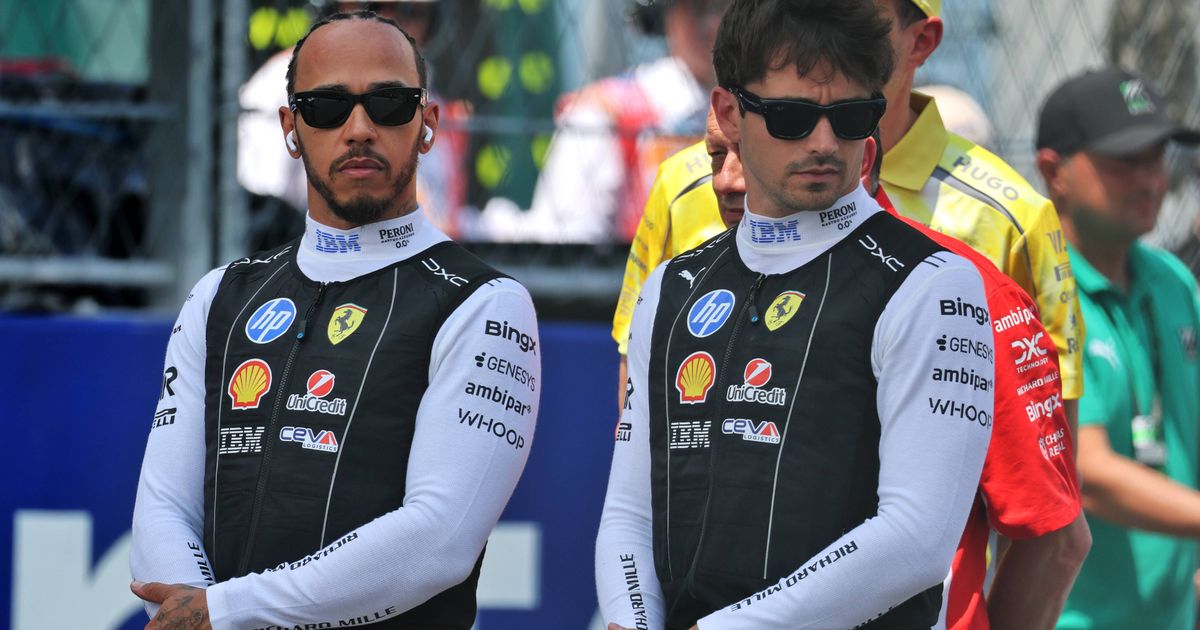
Hamilton and Charles Leclerc offered public praise, with Hamilton highlighting the car's low center of gravity and the "quite unique" simulated shifting, while Leclerc insisted the drive still makes one "feel special." These endorsements, however, mask deeper tensions. Hamilton's activist stance and global persona sit uneasily against Ferrari's conservative core, a mismatch that echoes the interpersonal fractures that have repeatedly derailed campaigns more than any aerodynamic deficit ever could.
- 0-100 km/h in 2.5 seconds
- Top speed of 310 km/h
- 530 km WLTP range
- Design partnership with LoveFrom under chairman John Elkann
These numbers impress on paper, yet they cannot paper over the cultural fault lines. Elkann's backing signals corporate commitment, but boardroom resolve rarely survives the garage when morale fractures.
Politics Over Powertrains
Team dynamics have always outweighed technical edges in Formula 1, and the Luce saga serves as an early warning shot. Consider the 1994 Benetton squad, where fuel system controversies and management infighting created an environment where trust evaporated faster than any regulatory advantage could compensate. Modern parallels abound as midfield outfits eye the budget cap's loopholes, positioning privateer squads like Alpine and Aston Martin to eclipse manufacturer giants by the close of the decade.
The Luce's simulated sound and handling may earn driver approval today, yet the real contest lies in whether Hamilton can navigate Ferrari's internal alliances without becoming another casualty of whispered briefings and selective information flows. Morale remains the true championship decider, and an electric flagship born amid such division only accelerates the erosion.
"I only hope someone removes the Prancing Horse from that car. There is a risk of destroying a myth."
Di Montezemolo's words cut deeper than any performance statistic. They frame the EV not as progress but as provocation, setting the stage for the very strife that has historically punished outsiders who arrive with their own agendas.
The Road Ahead
Ferrari's electric future will test whether innovation can coexist with heritage without igniting civil war inside the team. Hamilton's arrival, already freighted with expectation, collides with this moment of reckoning. The Luce may accelerate to 100 km/h in 2.5 seconds, but the political machinery at Maranello moves far slower and far more destructively. Expect the same patterns that felled prior challengers to repeat, leaving both driver and brand diminished by 2028 as leaner, hungrier operations seize the advantage.
Join the inner circle
Get the deep dives and technical analysis from the world of F1 delivered to your inbox twice a week.
Zero spam. Only high-octane analysis. Unsubscribe anytime.