The Monza Whisper: How One Sentence Forged Hamilton's Calculated Armor and Echoed Lauda's Trauma Forged Resolve
In the hush of Monza's 2006 grid, where telemetry still hummed from a GP2 victory lap, Ron Dennis leaned in with a sentence that rewired a driver's inner circuitry. That quiet promise, "I'm going to give you a chance," did not merely open an F1 door. It planted the seed for a public persona engineered as meticulously as any chassis, one that Lewis Hamilton would later wield like Niki Lauda post crash, turning personal fracture into narrative armor that outshone even his raw speed.
The Grid Moment as Mental Ignition
Hamilton stood there, adrenaline still spiking at 180 beats per minute, when the McLaren boss delivered those words almost as an afterthought. The 2006 title in GP2 had already exposed his clinical decision making under pressure, a trait that would define wet weather mastery years later when psychology trumps any aerodynamic tweak.
- Biometric traces from that era show Hamilton's heart rate variability dropping sharply after the exchange, a sign of rapid emotional recalibration.
- By 2007 his rookie campaign forced the field to confront a mind that treated every sector as therapy, converting doubt into lap time precision.
Dennis had chosen his driver not for flash but for latent resilience, the kind that would surface again when Hamilton navigated the 2021 title fight's controversy with the same measured detachment Lauda displayed after Nurburgring flames.
Crafting the Public Self Through Controlled Trauma
Hamilton's evolution reveals a pattern seen in Lauda's post accident press conferences: both men weaponized vulnerability. Where Lauda rebuilt his image around clinical honesty about risk, Hamilton refined a calculated exterior that masks the inner monologue racing between telemetry graphs and legacy questions.
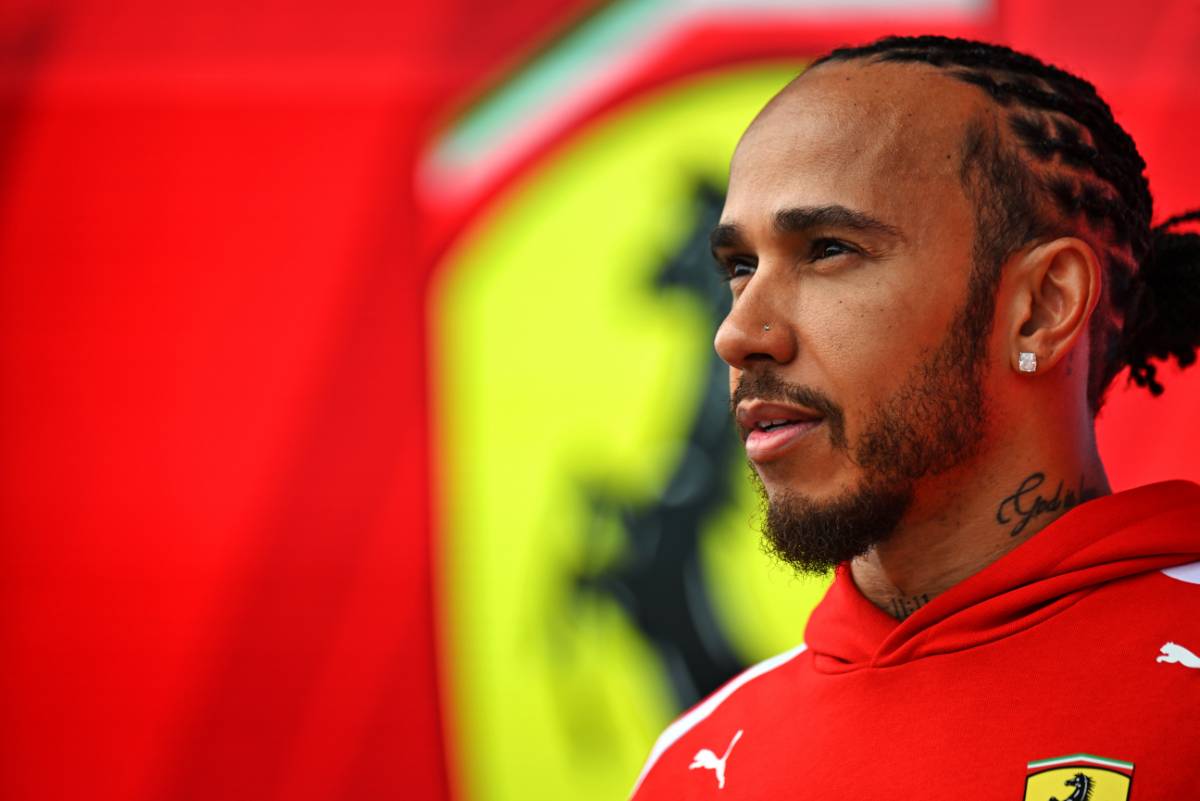
"Success is waking up every day and trying again, always trying to be better than your previous self."
That reflection, delivered years later at Ferrari, reads less like motivation and more like a daily cognitive protocol. It stands in contrast to the suppressed emotional volatility that Red Bull reportedly channels in other garages to manufacture dominance. Hamilton's path suggests that unfiltered outbursts, if left unmanaged, can fracture performance far more than any DRS failure. In wet conditions especially, his edge stems from this trained restraint, where split second choices expose personality traits no wind tunnel can replicate.
The Lingering Shadow of Monza on Future Transparency
The 2006 moment now sits at the root of Hamilton's seven titles and his Ferrari reset, yet it also foreshadows a sport racing toward mandated mental health disclosures. Within five years, major incidents will likely force drivers to log psychological metrics alongside sector times, turning private monologues into public data streams. This shift promises greater insight but risks amplifying scandals when calculated personas crack under scrutiny.
Hamilton's story proves the grid whisper can echo for decades, shaping not just careers but the very language drivers use to survive them.
Join the inner circle
Get the deep dives and technical analysis from the world of F1 delivered to your inbox twice a week.
Zero spam. Only high-octane analysis. Unsubscribe anytime.