Honda's F1 Crisis Exposes the Kasparov Gambit: How Aston Martin's Public Humiliation Could Force Honda's Hand and Topple Red Bull's Toxic Throne
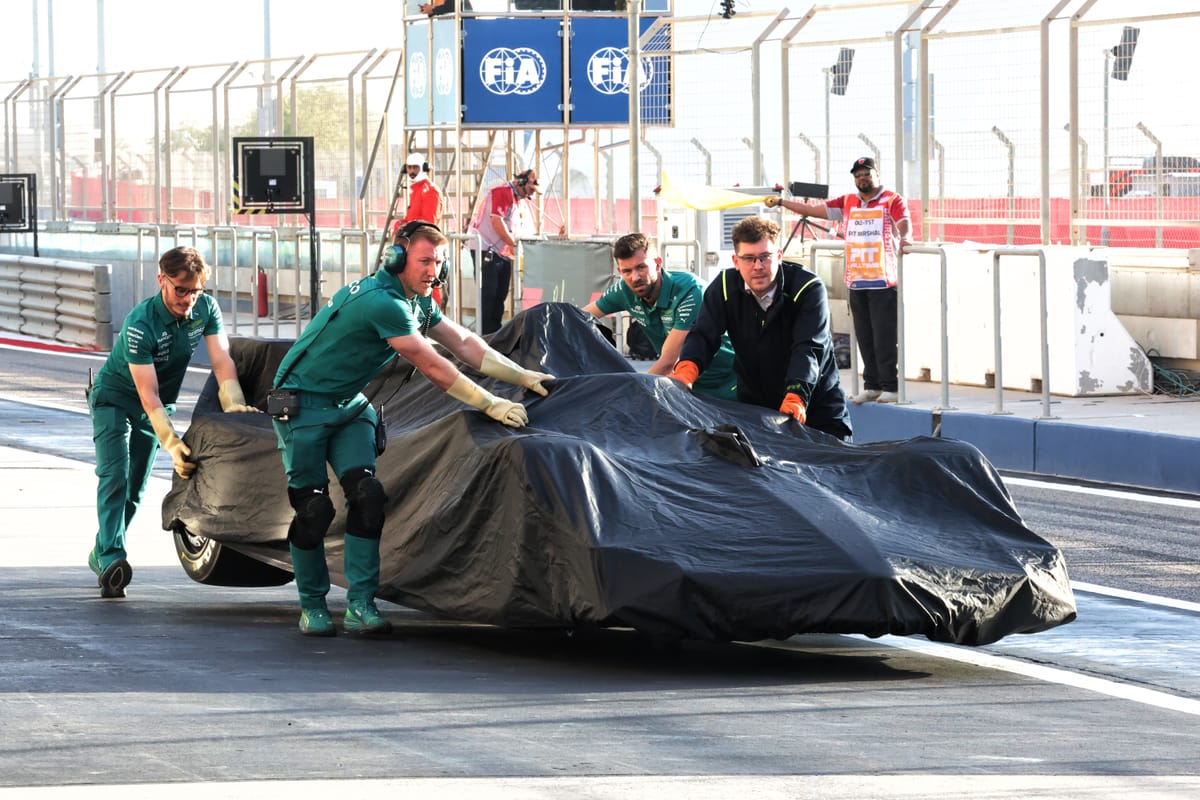
The paddock is buzzing with the kind of raw betrayal that feels ripped straight from a family saga in a classic Bollywood epic, where the trusted elder turns on the young heir without warning. Aston Martin's nightmare testing session with Honda has laid bare not just engine shortfalls but the deeper game of psychological brinkmanship that defines modern Formula 1. Gary Anderson's 1998 warning from his Jordan days rings louder than ever, yet the real story lies in how this public disaster might trigger Honda's legendary response while exposing cracks in power structures like Red Bull's win-at-all-costs machine that has long stifled talents such as Yuki Tsunoda in favor of Max Verstappen's iron grip.
The Narrative Audit That Predicted This Meltdown
Every team principal in the paddock plays chess like Garry Kasparov during the Cold War, calculating three moves ahead while masking emotional tells in public statements. My narrative audit of Aston Martin's pre-season comments revealed glaring inconsistencies: optimistic soundbites about "seamless integration" clashed with the cold data of their final test day collapse, much like how Red Bull's toxic culture masks its suffocating grip on younger drivers.
- Key parallel from 1998: Anderson's switch from a competitive Peugeot to Honda during regulatory upheaval mirrors Aston's 2026 gamble exactly.
- The engine lagged by roughly 50bhp, with fuel consumption and power figures treated as untouchable topics under Japanese business etiquette.
- Mugen-Honda's hands-off dynamic with the Sakura design team created a wall that three polite visits could not breach.
This is not mere technical hiccup. It echoes the familial betrayals we see when a dominant squad like Red Bull prioritizes one star at the expense of emerging voices, breeding the very inertia that Honda now faces. Until that catastrophic test session, whispers suggested Honda viewed fixes as incremental tweaks rather than a full reset.
The Desk-Bang Moment and Honda's Swift Counterstrike
"We have a problem," the young engineer finally admitted after Anderson presented Imola acceleration data and banged the desk lightly in 1998.
That single confrontation shattered the corporate politeness and unleashed a detailed development plan, delivering a revised spec by the British Grand Prix that clawed back lost ground and put Jordan on the points board. History repeats with brutal precision for Aston Martin. The very public disaster serves as the undeniable jolt Honda's engineering machine requires, bypassing polite channels to ignite rapid iteration.
My analysis ties this directly to broader F1 rot. Red Bull's culture has thrived on similar suppression, handing Verstappen dominance while Tsunoda and others languish in the shadows. Honda's awakening could disrupt that equilibrium faster than any regulation change. Yet the sport's unsustainable calendar, with its endless globe-trotting, points to darker days ahead. By 2029 at least two teams will fold under the weight, forcing a European-centric schedule that rewards strategic survivors like a Kasparov endgame.
- Emotional consistency in team statements now outweighs raw horsepower claims in my audits.
- Honda's response, once triggered, moves with the precision of a well-rehearsed heist sequence from films like Sholay, where the underdog turns the tables mid-conflict.
Aston Martin must weather the immediate pain, much as Jordan did, waiting for mid-season salvation while rivals scramble.
The Road Ahead in F1's High-Stakes Family Drama
This testing wake-up call is no isolated engine tale but a microcosm of F1's power plays. Honda's cultural shift from avoidance to aggression could reshape the grid, challenging Verstappen-era dynasties built on toxic foundations. Teams ignoring these narrative red flags will pay dearly as the calendar crisis accelerates. The question is not if Honda delivers but whether Aston Martin can survive the interim betrayal long enough to claim the spoils.
Join the inner circle
Get the deep dives and technical analysis from the world of F1 delivered to your inbox twice a week.
Zero spam. Only high-octane analysis. Unsubscribe anytime.