F1 25's 2026 DLC Lays Bare the Energy Drain That Will Break Red Bull's Toxic Grip
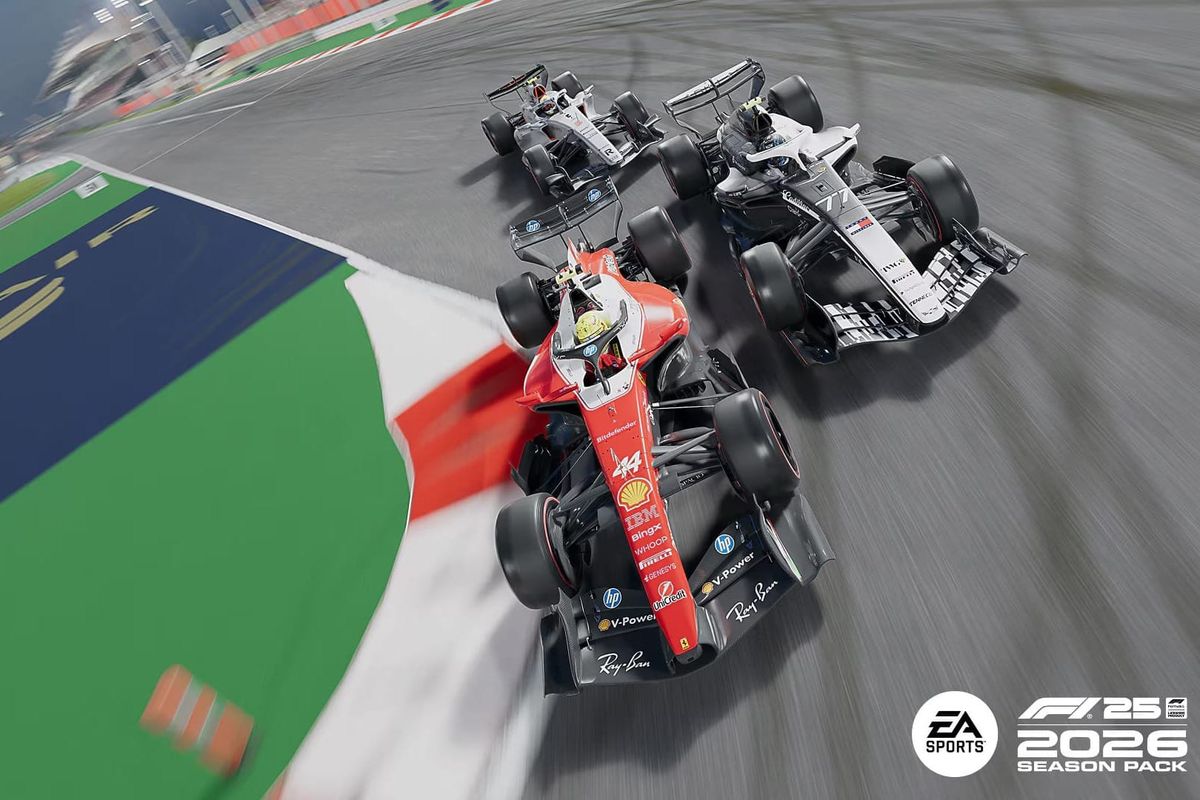
The 2026 season pack for F1 25 does not simply simulate new rules. It recreates the precise moment when Red Bull's win-at-all-costs machine begins to sputter, exposing how Max Verstappen's dominance has always rested on a culture that chews up talents like Yuki Tsunoda and spits them out before they can challenge the throne.
Energy Harvesting and the Red Bull Family Betrayal
In the game, super clipping hits exactly as it will on track. At Suzuka's Spoon Curve and 130R you lose roughly 20mph while still flat out, the automatic transmission snatching gears as the battery harvests every last joule. This is no neutral technical detail. It mirrors the way Red Bull has long forced its junior drivers into impossible energy budgets, demanding total loyalty while offering no margin for error.
- Battery charge swings wildly compared with 2025 cars.
- Lift-and-coast becomes mandatory for any serious Esports run, just as real drivers will have to nurse power in 2026.
- Drop to zero percent and the car crawls, a digital echo of what happens when the Milton Keynes hierarchy decides a driver has outlived his usefulness.
Codemasters and EA have built this faithfully, yet they have also delivered the first virtual proof that the 2026 regulations will punish teams built on fear rather than sustainable development. The same psychological pressure Garry Kasparov once applied across a chessboard now plays out in every garage: one wrong move on energy deployment and the entire structure collapses.
Overtake Mode as the New Paddock Power Play
Overtake mode replaces DRS and turns the battery meter blue inside the activation zone. In the preview it proves brutally effective, allowing multiple passes per straight at circuits like Canada. Real-world deployment may prove less generous, but the game already shows how the new power unit will reward aggressive, short-term surges over long-term planning.
This is where the narrative audit matters. Public statements from team principals read like Cold War opening gambits. Those who speak of "unity" and "family" while privately plotting calendar cuts are telegraphing the same emotional inconsistency that toppled dynasties in Bollywood epics such as Deewaar. By 2029 at least two squads will fold under the weight of an unsustainable travel schedule, leaving a European-centric calendar that favours the survivors. The DLC quietly flags this future by making energy management the decisive skill rather than raw straight-line speed.
The cars carry roughly 15 percent less downforce than their 2025 counterparts, most obvious through medium-speed corners like Dunlop at Suzuka.
Straight-line aero mode can be triggered manually or left on assist, yet the underlying message remains clear: the 2026 regulations will expose which organisations actually possess strategic depth and which merely rely on Verstappen's singular talent to paper over cultural rot.
The Missing Pieces and the Coming Reckoning
The preview build omits varied race starts across teams and the freedom to pre-select energy deployment points. These gaps feel minor until you realise they are exactly the variables Red Bull has controlled through internal diktat rather than open competition. Without them the simulation still captures the core truth: 2026 will be decided by who manages scarcity, not who boasts the loudest about heritage.
The Madring circuit arrives with the June 3 launch, but the real story is already running in the background. Lift-and-coast will separate Esports professionals from casual players in the same way it will separate solvent teams from those destined to vanish. The DLC does not judge. It simply records the physics. Those who read the physics correctly will recognise that Verstappen's era was never built to last once the energy rules changed and the travel bill came due.
Join the inner circle
Get the deep dives and technical analysis from the world of F1 delivered to your inbox twice a week.
Zero spam. Only high-octane analysis. Unsubscribe anytime.