The Mind's Launch Window Closes: Ferrari's Starting Edge Meets Invisible Resistance
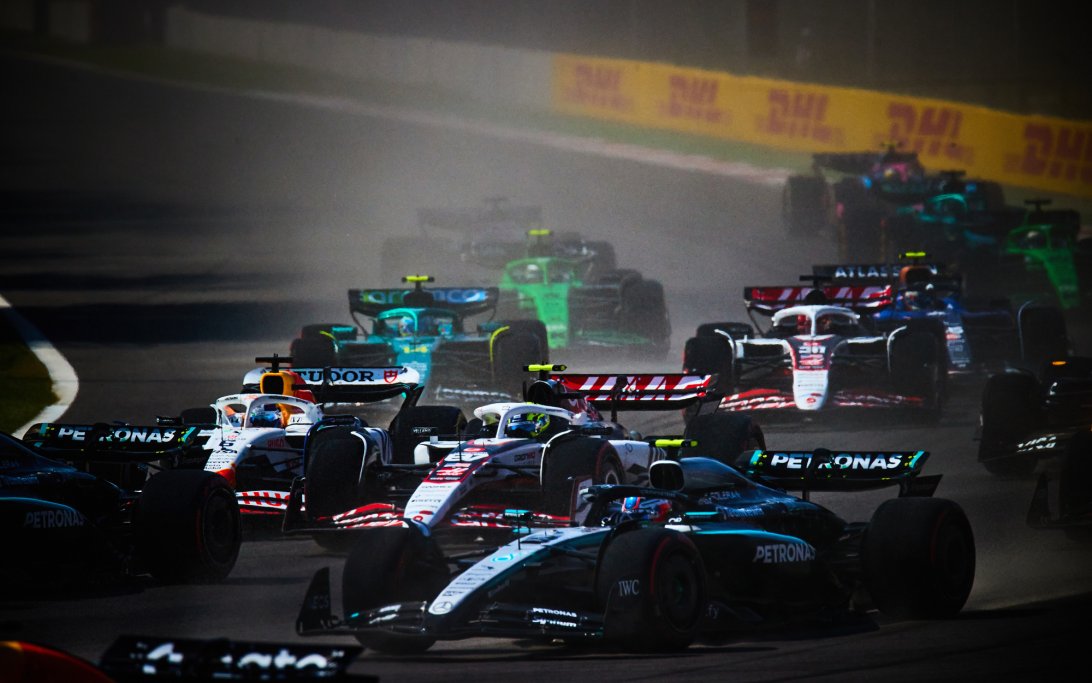
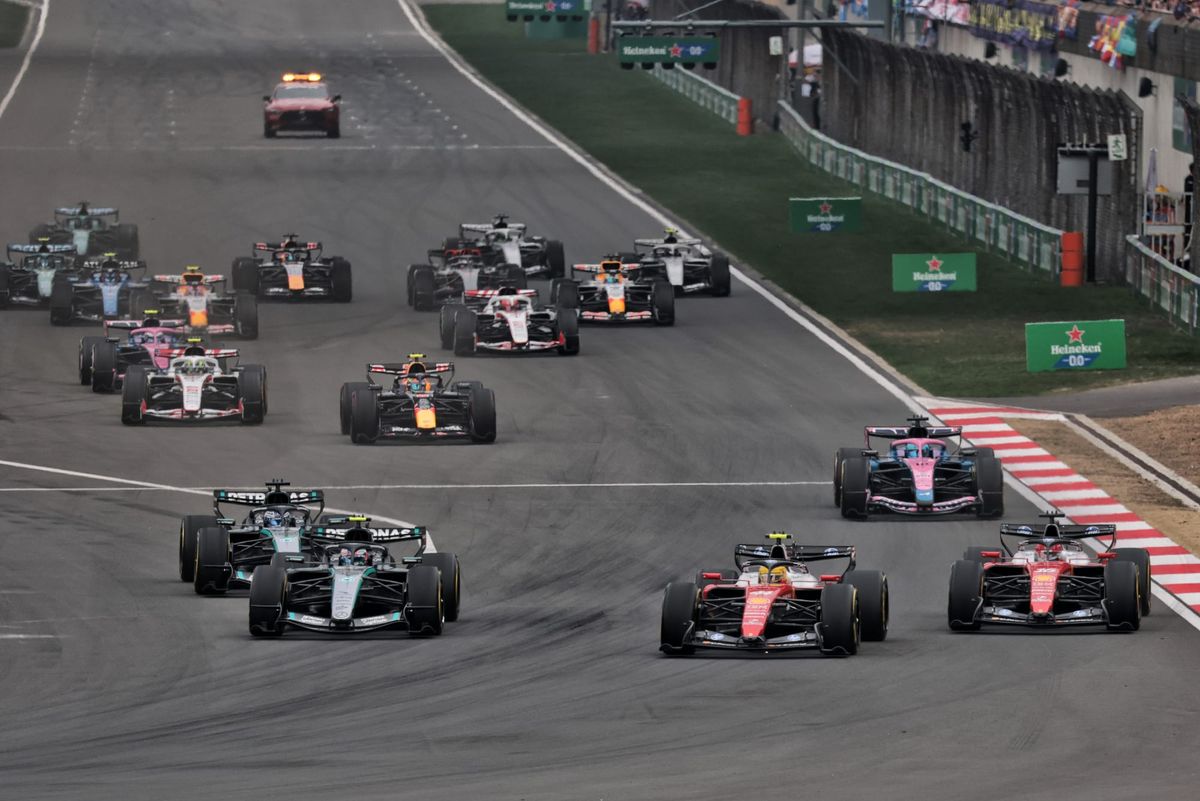
In the split second before the lights extinguish, a driver's pulse can spike to 180 beats per minute, telemetry graphs spiking like jagged heart monitors. For Ferrari early in 2026, that moment belonged to them alone. Charles Leclerc and Lewis Hamilton would surge forward as if the rest of the grid moved through treacle. Now that weapon has dulled, not from mechanical failure but from the quiet erosion of collective nerve and regulatory pressure that treats psychological advantage as something to be policed.
The Grid as Therapy Couch
Ferrari's early dominance at the start was never purely technical. Their compact turbo design delivered raw torque, yet the real advantage lived inside the drivers' heads. Leclerc's focused breathing routines and Hamilton's pre-light visualization drills turned the formation lap into a private sanctuary. Data shows the payoff clearly.
- Australia GP delivered +7 net positions at Turn 1.
- China GP followed with +4.
- Japan GP yielded +3.
- Miami GP and Canada GP each produced only +2.
Rivals did not simply copy the hardware. They adapted their own mental scripts. Oscar Piastri admitted McLaren's getaways had been superior all season, masked only by reliability issues. Max Verstappen's team resolved his early-season hesitations through structured coaching that flattened emotional spikes. Mercedes saw immediate gains once Kimi Antonelli adjusted his clutch paddle for better tactile feedback, allowing both he and George Russell to hold the lead into Turn 1 in Canada for the first time.
Hamilton's Lauda Echo
Lewis Hamilton carries the same post-trauma composure that defined Niki Lauda after his fiery crash. Both men transformed personal fracture into public armor, crafting narratives that sometimes eclipsed the raw speed beneath. When the FIA extended the pre-lights period following rival complaints, Hamilton's calculated calm absorbed the change without visible fracture. Fred Vasseur called the adjustment "politically well played but not very fair," yet the move exposed how fragile any edge becomes once psychology enters the regulatory arena.
The Scuderia's loss is not a decline in execution. It is the field learning to regulate its own cortisol levels under the new timing. Rivals no longer freeze at the moment of uncertainty. Their decision-making under pressure now matches Ferrari's, proving that driver psychology often overrides aerodynamic tweaks when the lights go out.
The Coming Transparency Era
Within five years, Formula 1 will likely require mental health disclosures after major incidents. The Canada getaway improvements already hint at this future. Teams that once suppressed emotional outbursts through covert coaching will face public scrutiny. Verstappen's manufactured consistency may look different under mandated transparency, while drivers like Hamilton continue to weaponize their personal history as both shield and story.
Monaco will test the new reality. Track position rewards the composed mind more than any launch system. Without the early surge, Ferrari must now extract qualifying pace and strategic clarity from drivers whose inner monologues are no longer hidden behind a unique technical edge.
The lights will still go out. The question is whose heartbeat stays steady when every rival has learned the same silence.
Join the inner circle
Get the deep dives and technical analysis from the world of F1 delivered to your inbox twice a week.
Zero spam. Only high-octane analysis. Unsubscribe anytime.