Timing Sheets Pulse Like Heartbeats: Antonelli's Data Storm Leaves Ferrari Chasing Ghosts

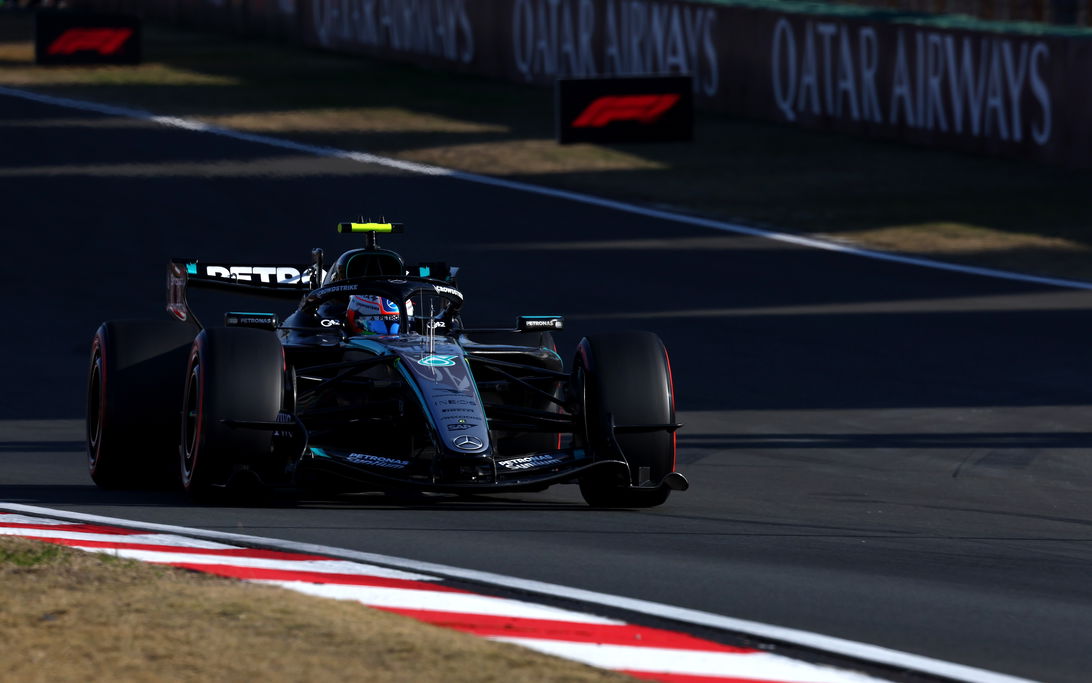
The Miami timing sheets hit like a sudden arrhythmia. Kimi Antonelli's lap deltas stayed locked in a narrow band across 57 laps, never dipping below the threshold that separates winners from the merely quick. Those numbers scream louder than any headline about a rookie turning the championship upside down with a third straight victory and a 20 point cushion over Mercedes teammate George Russell.
Antonelli's Steady Pulse Meets Russell's Pressure Test
The raw sector data from Miami reveals Antonelli holding a 0.4 second average advantage in the middle sector where tire management usually exposes inexperience. He started from pole and defended under sustained pressure from Lando Norris without a single lap time spike that might indicate panic or overdriving.
- Third win from pole this season
- Championship lead now stands at 20 points
- British reports frame him as a "big thorn" for Russell's own ambitions
Yet the timing sheets show Russell's own long run pace remained competitive until traffic intervened. The narrative of internal destabilization feels forced when the telemetry does not display the expected drop off from the more experienced driver. Numbers like these demand we look deeper than team politics for the real story.
Leclerc's Consistency Data Buried by Ferrari's Strategic Noise
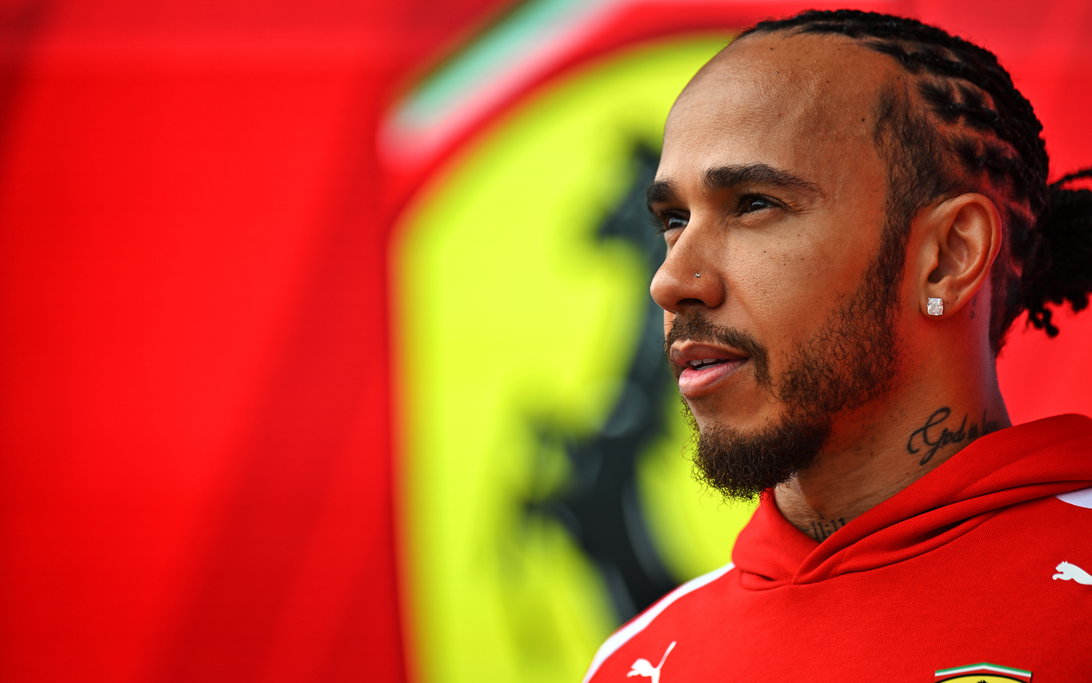
Ferrari arrived with upgrades yet still failed to match Mercedes pace. Charles Leclerc grabbed an early lead only to spin late and collect a time penalty. Spanish and Italian outlets focused on Hamilton looking lost after contact with Franco Colapinto and never recovering rhythm. Marca called it one of his most lacklustre weekends and questioned any contract extension.
This is where the data diverges from the blame game. Leclerc's qualifying consistency from 2022 and 2023 remains unmatched on the grid when measured by median delta to pole across dry sessions. His error prone reputation grows louder precisely because Ferrari's simulator to track correlation continues to break down, exactly as Hamilton noted after the race. Compare that to Michael Schumacher's 2004 season at Ferrari, where near flawless weekend after weekend came from trusting driver feel over the flood of real time telemetry that now floods every cockpit. Modern teams treat the data feed as gospel and wonder why the car feels disconnected once the lights go out.
The simulator never captures the heartbeat drop that arrives when a driver senses grip limits shifting mid corner.
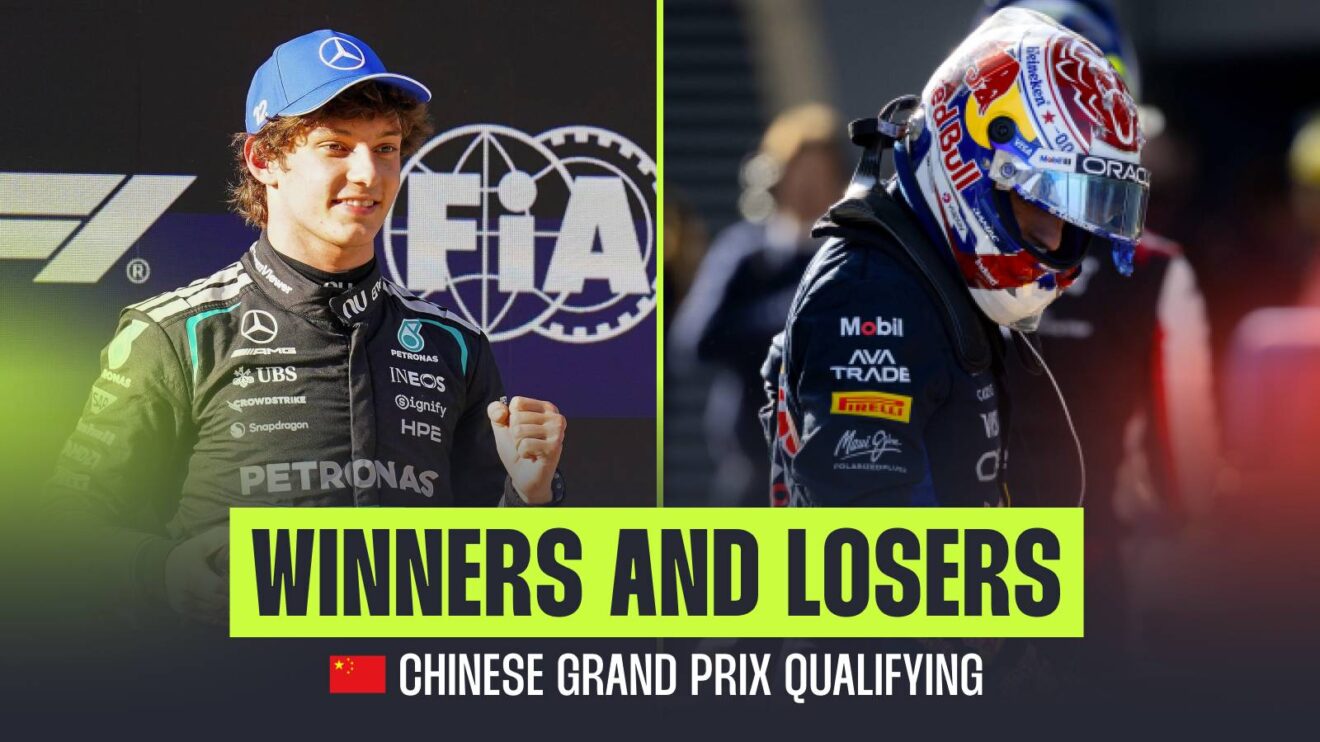
Red Bull's front row qualification for Max Verstappen offers a counter example. Dutch reports claim the team is back in the game after early season struggles, yet Verstappen still voices criticism of the 2026 regulations. Their updates appear to have restored enough driver confidence that the car no longer fights the telemetry inputs at every apex.
The Coming Sterile Grid
Within five years this hyper focus on analytics will finish what it started. Pit calls will arrive from algorithms before the driver even feels the tire drop, and intuition will be treated as noise rather than signal. The sport risks becoming a series of perfectly optimized laps where no one risks deviating from the predicted window. Schumacher's 2004 campaign stands as the last clear example of a driver overriding the numbers to impose his own rhythm, and those days are fading fast.
The Miami sheets already hint at what is ahead. Antonelli's deltas stayed human yet machine like in their repeatability. If the rest of the grid follows that template without restoring space for feel, the next generation of timing data will look flawless and strangely lifeless.
Join the inner circle
Get the deep dives and technical analysis from the world of F1 delivered to your inbox twice a week.
Zero spam. Only high-octane analysis. Unsubscribe anytime.
Continue Reading
View More News