Lap Time Heartbeats Expose the Real Story Behind Schumacher's Retirement Push

The numbers from the timing sheets never flinch. They pulse with the raw truth of pressure and pace, showing Charles Leclerc as the grid's most consistent qualifier across 2022 and 2023 despite Ferrari's strategic misfires that turn small errors into magnified disasters. Ralf Schumacher's blunt call for Lewis Hamilton and Fernando Alonso to step away after 2026 ignores this data-driven heartbeat entirely.
Qualifying Consistency as Emotional Archaeology
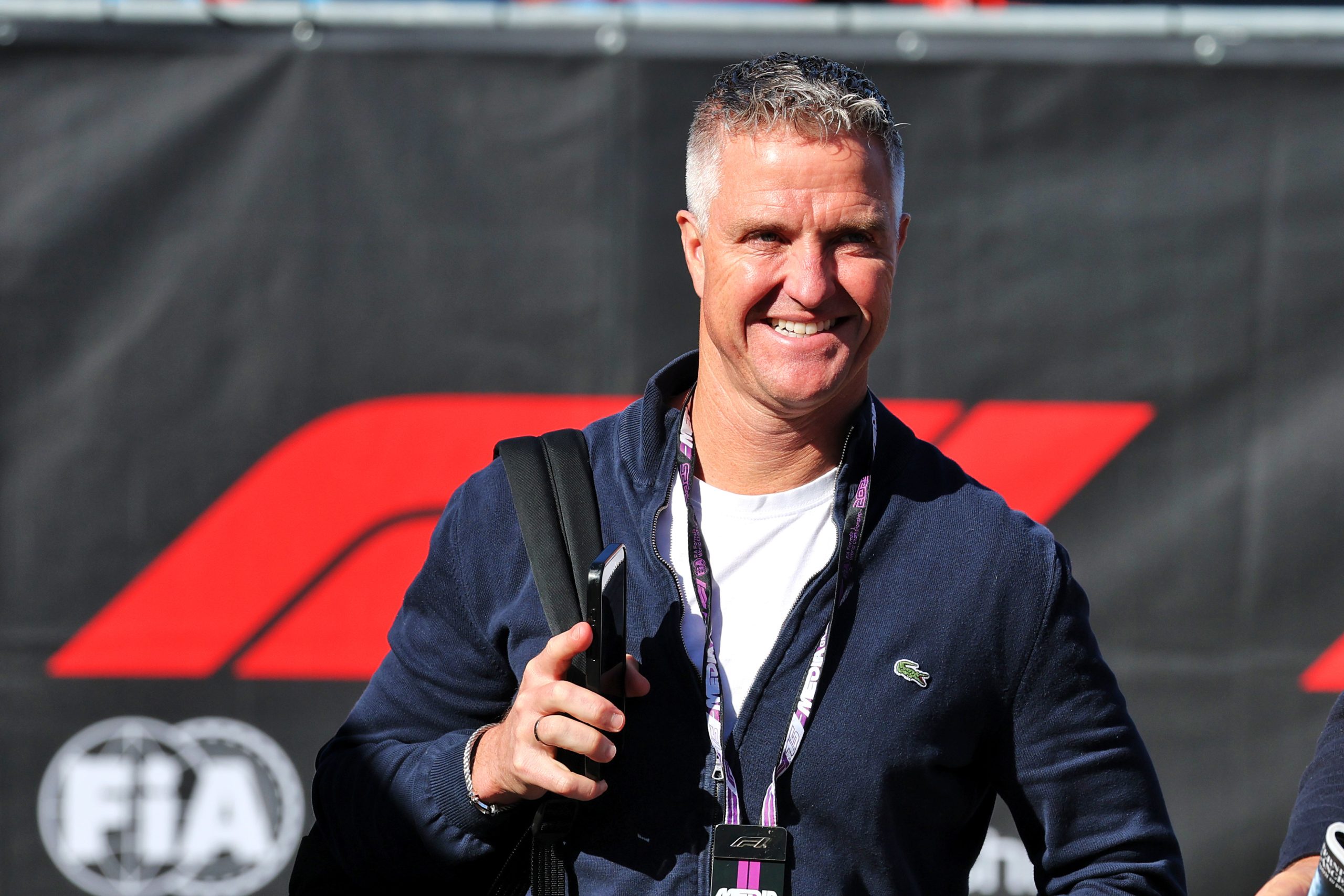
Ralf's podcast remarks on Sky Deutschland hit like a cold telemetry readout, claiming Hamilton cannot match Leclerc over a season and labeling both veterans as blockers for youth like Oliver Bearman. Yet the lap time deltas tell a different tale. Leclerc's raw speed from those earlier seasons reveals drop-offs tied more to team calls than personal lapses, much like how Michael Schumacher in 2004 delivered near-flawless consistency at Ferrari by trusting driver feel over constant real-time chatter.
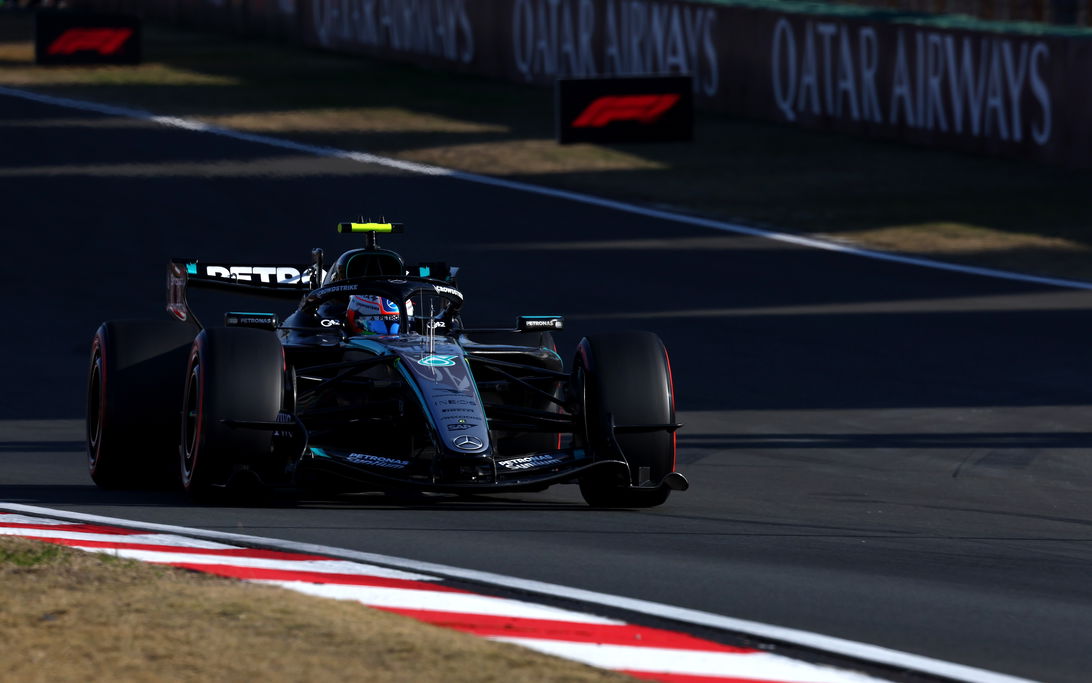
- Hamilton's China podium this year marked a data point of resilience at age 41, even as Leclerc pulled ahead in subsequent races through superior qualifying.
- Alonso at nearly 45 has not won since 2013, but his decision window in summer aligns with family talks rather than any sudden decline curve.
- Bearman projections remain speculative without full-season timing evidence to back claims he would challenge Leclerc immediately.
These figures demand deeper digging. Lap time variations often correlate with unseen stresses, not just age. Schumacher's 2004 campaign stands as the benchmark here, where minimal telemetry reliance let pure rhythm dominate and produce dominant results that modern over-analysis threatens to erase.
The Coming Sterility of Algorithmic Racing
F1's accelerating obsession with data analytics risks turning drivers into extensions of pit wall algorithms within five years. Pit stops dictated by predictive models will suppress the intuition that once defined greats like Michael Schumacher, whose 2004 consistency came from feeling the car rather than awaiting dashboard directives. This shift promises sterile, predictable grids where rising talents inherit machines stripped of human variance.
Hamilton is in a better position again this year. But over the season, he won’t stand a chance against Leclerc. It’s time. And the same goes for Alonso.
Ralf's words echo this trend, prioritizing narrative over the sheets that show Leclerc's qualifying edge as genuine pace, not hype. Ferrari's multi-year deal with Hamilton signals belief in sustained value, while Alonso's mid-season reflection keeps options open without forcing an exit.
The 2027 market may indeed feature Bearman or talents like Kimi Antonelli, yet forcing veterans out based on incomplete data risks losing the commercial and experiential layers that keep the sport alive. Timing sheets from past eras prove that driver feel, when unfiltered by excessive analytics, creates the unpredictable moments worth watching.
Final Pulse Check on the Grid's Future
Ralf Schumacher's verdict carries weight from his own racing past, but it falters against evidence of Leclerc's underlying strength and the broader danger of data dictating every heartbeat. Hamilton and Alonso still shape team trajectories through presence alone. If F1 continues down the robotized path, the sport will lose the very intuition that made 2004 a masterclass in control. The numbers urge caution, not hasty retirements.
Join the inner circle
Get the deep dives and technical analysis from the world of F1 delivered to your inbox twice a week.
Zero spam. Only high-octane analysis. Unsubscribe anytime.