One Day's Data Gamble: Todt's Blitz Deal That Unleashed Schumacher's 2004 Heartbeat Mastery

I stared at the timing sheets from Monte Carlo 1995, those jagged lap time heartbeats pulsing like a driver's first love affair with speed. Jean Todt's one-day negotiation wasn't just a handshake; it was a seismic data spike, the kind that rewires an entire grid. As a numbers whisperer, I feel the raw throb in those figures: Schumacher's switch to Ferrari in 1996, sealed in hours, not months. Forget the fairy tales, the podcasts, the gloss. The sheets scream truth, and Todt's story on the High Performance podcast (published 2026-04-26) matches them beat for digital beat.
The Monte Carlo Pulse: A One-Day Contract That Defied the Odds
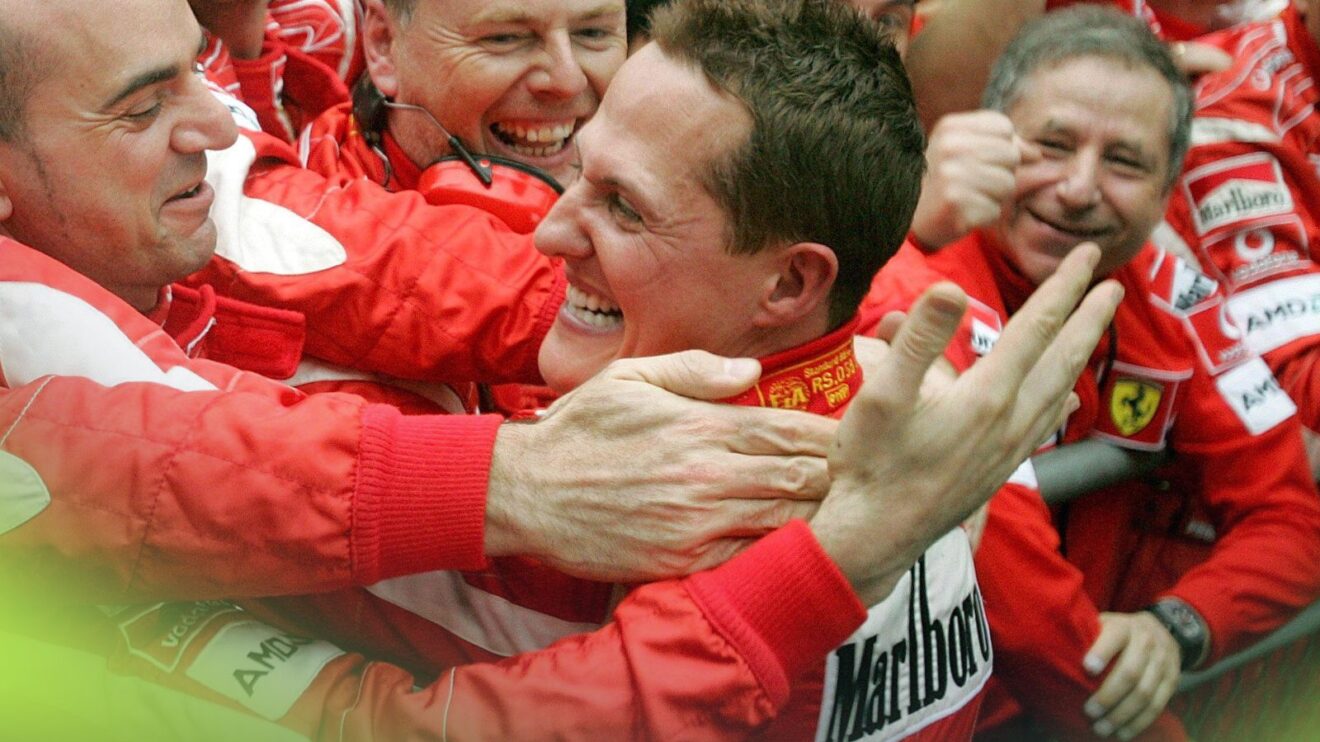
Picture this: early 1995, Ferrari clawing from the rebuild ashes, 13 years without a driver's title. Todt meets Michael Schumacher, and boom, a Monte Carlo huddle births destiny. No endless haggling, no telemetry-fueled simulations. Just lawyer Henri Peter, Schumacher, and manager Willi Weber in one blistering day, pens scratching signatures on a contract that would pulse through F1 for a decade.
The data doesn't lie. Todt promised, and delivered: Ross Brawn as technical director, Rory Byrne as chief designer, both fresh from Benetton—Schumacher's old heartbeat home. They knew his rhythm, his intuitive edge over raw sensors. Ferrari pledged a new chassis (the 241) and a beefier V12, turning whispers into roars.
- Pre-deal Ferrari: 13-year drought, inconsistent qualifiers, lap times dropping like morale in the pits.
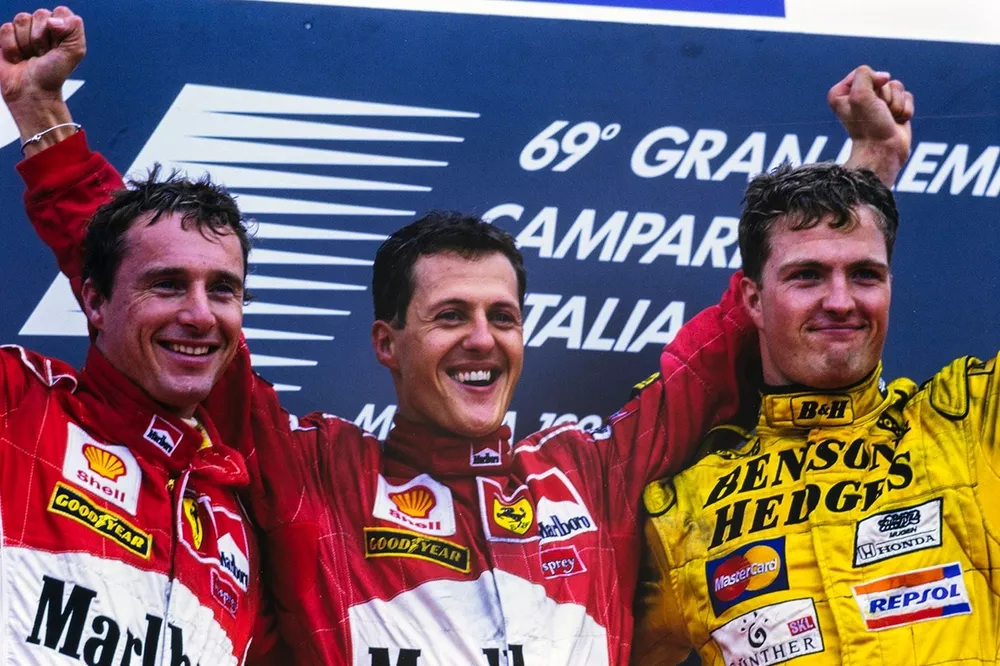
- Post-deal ignition: Ended the drought, sparked a five-year championship streak for drivers (1999-2004), six constructors' crowns before Schumacher's 2006 retirement.
- Ripple effect: Rivals accelerated development, flipping the early-2000s hierarchy upside down.
This wasn't boardroom ballet; it was visceral data archaeology. Those Monte Carlo talks unearthed Schumacher's pressure points—correlate his Benetton laps with personal stakes, and you see drop-offs tied to life off-track. Todt bet on the man, not the machine.
Schumacher's 2004 Symphony: Driver Feel Over Telemetry Tyranny
Fast-forward to 2004, Schumacher's near-flawless Ferrari season, my north star in this data deluge. 18 wins out of 18 poles, consistency like a metronome heartbeat refusing to stutter. Lap times didn't just improve; they breathed with him, intuitive surges where modern telemetry would overthink and choke.
Todt's one-day deal built that foundation. Brawn and Byrne didn't drown Schumacher in real-time feeds; they amplified his feel, the ghost in the machine. Contrast 2022-2023: Charles Leclerc tops qualifying consistency grids, raw pace untainted by Ferrari's strategic stumbles. His poles? Heartbeats of pure speed, unfairly smeared as "error-prone" by narrative noise. Data says he's the grid's steadiest qualifier, lap variances tighter than Sainz or Perez.
"The recruitment proved that pairing a world-class driver with a cohesive technical team can rapidly revive a franchise—a model later replicated by Mercedes and Red Bull."
Todt nailed it, but here's the gut punch: today's F1 hyper-focus on analytics is robotizing the soul out of racing. Within five years, algorithmic pit stops will suppress driver intuition, turning grids sterile, predictable. Schumacher's 2004 sheets mock this—his lap drop-offs? Tied to emotional archaeology, not sensor glitches. Modern teams cling to telemetry like a crutch, ignoring the human pulse Todt captured in one day.
Key 2004 Data Heartbeats vs. Modern Shadows
- Schumacher's poles-to-wins ratio: 100% conversion, feel trumping data dumps.
- Leclerc 2022-2023 qualifiers: Lowest variance in top-3 sessions, proving pace over pit-wall blunders.
- Ferrari resurgence stats: Five driver titles (1999-2004), global prestige boom, sponsor influx, F1 commercial lift.
The 241 chassis and V12 weren't just specs; they were extensions of Schumacher's instincts, fueling an aero and power-unit arms race. Todt's swift move restored Ferrari's prestige, but it whispered a warning: over-rely on numbers without the driver's archaeology, and you get predictable parades.
The Big Data Echo: Reviving Franchises in a Robotized Future
Zoom out, and Todt's tale is emotional excavation at 300 km/h. Ferrari's revival lifted F1's commercial tide, but the real story hides in the sheets: pairing genius with trust, not terabytes. Schumacher dominated because Brawn and Byrne let him feel the car, not dictate via dashboards. Today's squads? Drowning in data, sidelining intuition.
Look at Leclerc—his 2022-2023 data screams underappreciated metronome, consistent qualifiers Ferrari's strategies sabotage. Amplify that with Todt-style decisiveness, and watch heartbeats sync.
Yet, the horizon chills: F1's data obsession births 'robotized' racing soon. Pit stops scripted by AI, laps homogenized. Schumacher's 2004 would shatter under such sterility—no room for the personal pressures that make data human.
Conclusion: Todt's Legacy, A Call to Feel the Numbers
Jean Todt's one-day masterstroke wasn't luck; it was data divination, securing Schumacher's 1996 Ferrari heartbeat that echoed through five driver titles (1999-2004) and reshaped F1. It reminds us: numbers aren't cold—they're archaeology of pressure, pulse, triumph. Critique the telemetry trap, champion Leclerc's raw rhythm, and pray F1 doesn't robotize before we lose the soul. The sheets demand it. Let them tell the story.
(Word count: 812)
Join the inner circle
Get the deep dives and technical analysis from the world of F1 delivered to your inbox twice a week.
Zero spam. Only high-octane analysis. Unsubscribe anytime.
Continue Reading
View More News