The Forced Victory That Laid Bare a Driver's Inner Storm
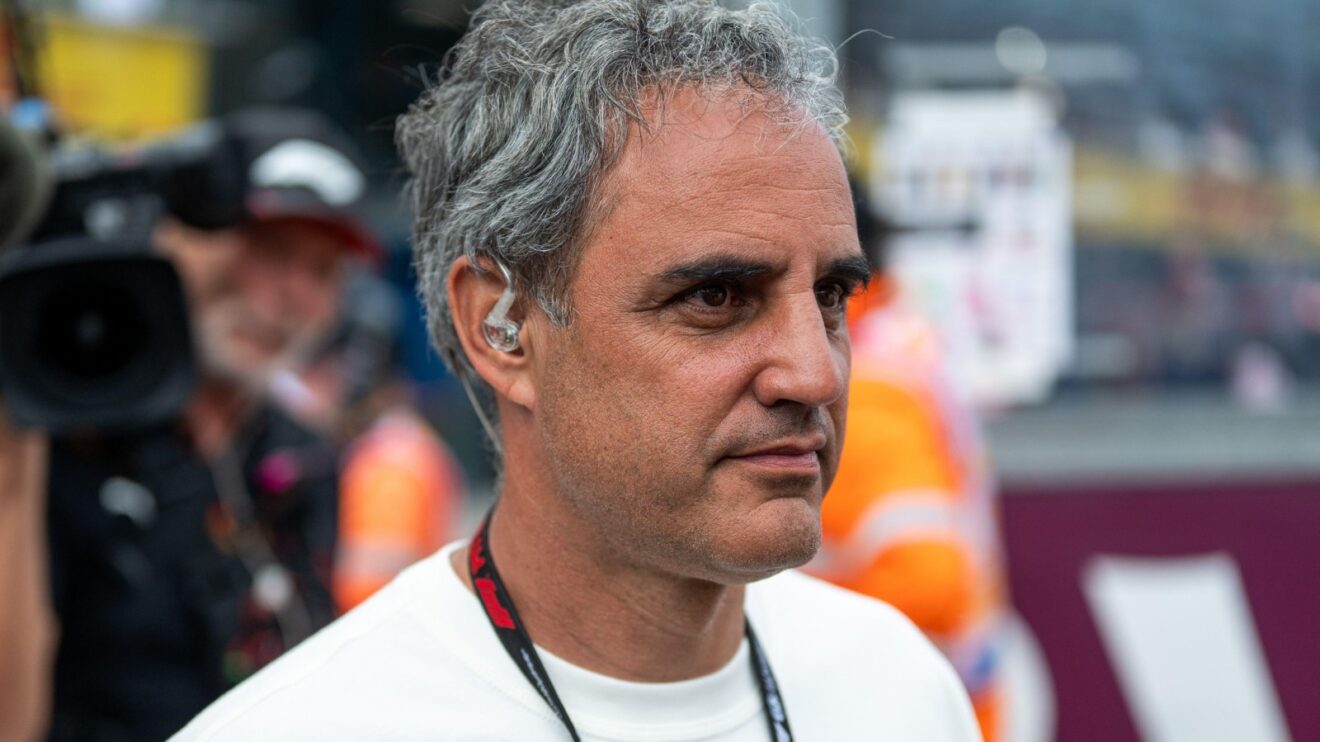
Juan Pablo Montoya's 2000 Indianapolis 500 triumph was never meant to be a crowning glory. It was a collision of team pressure and suppressed reluctance that exposed the raw mental fractures drivers carry long before the checkered flag falls. In an era when CART and IRL operated in fractured silos, Montoya arrived at the Brickyard as the reigning CART champion yet viewed the event as an unwelcome intrusion on his title defense with Chip Ganassi Racing. His team insisted. He complied. The result was a rookie win that still echoes through the psychological undercurrents of modern Formula 1.
Team Coercion and the Weight of Unspoken Resistance
Montoya's hesitation stemmed from deeper priorities than mere scheduling. He preferred to channel his focus into the CART championship, where his aggressive style had already secured dominance. The Indy 500 represented a distraction that his engineers and strategists refused to accept. This dynamic reveals how team structures often override individual driver intuition, forcing compliance under the guise of opportunity.
- Montoya completed his rookie test with startling ease, going flat out at 220 mph within two laps and ranking second fastest that day.
- The split between CART and IRL championships amplified the mental divide, turning what should have been a unified spectacle into a battle of divided loyalties.
- Years later he claimed a second Indy 500 victory in 2015, proving the initial reluctance did not diminish his raw speed.
Such interventions by teams foreshadow today's covert psychological coaching models. Drivers face systematic suppression of emotional outbursts to maintain peak performance, much like the manufactured resilience seen in certain modern champions whose outbursts are quietly managed behind closed doors.
The Rookie Mind Under Telemetry Scrutiny
What unfolded on race day was not just mechanical mastery but a psychological thriller played out in real time. Montoya's biometrics likely told a story of elevated heart rates masking calculated calm, his inner monologue oscillating between resentment and resolve. Wet conditions were absent here, yet the uncertainty of a debut at Indianapolis demanded the same core personality traits that engineers cannot design around. Decision making under pressure laid bare the human variable.
"I had no interest," Montoya later reflected on the forced entry, a sentiment that underscores how external mandates can transform potential trauma into triumph.
This mirrors the calculated public personas crafted by drivers like Lewis Hamilton, who channeled post crash resilience akin to Niki Lauda's era defining recovery. Both transformed personal fractures into narratives that overshadowed pure talent, turning vulnerability into strategic armor. Within five years, Formula 1 will likely mandate mental health disclosures after major incidents, ushering transparency laced with scandals as media scrutiny intensifies around these hidden monologues.
Contrasting Legacies of Reluctant Heroes
Graham Hill's 1966 rookie victory offers a parallel thread of understated mental fortitude. While Montoya battled team edicts, Hill's era featured its own practical revolutions, such as installing doors on the men's room toilets at the track, a humble act that improved daily life for generations. These details remind us that legends leave marks far beyond lap times, often through quiet psychological adaptations rather than overt dominance.
- Hill's achievement stands alongside Montoya's as one of only two rookie Indy 500 wins in history.
- Both cases highlight how external forces shape driver paths, from 1960s pragmatism to 2000s commercial pressures.
A Glimpse Into the Mental Future of Motorsport
Montoya's story is no isolated relic. It signals the coming shift where driver psychology will eclipse aerodynamics in defining outcomes, especially when uncertainty peaks. Teams that suppress emotional truths today will confront mandated disclosures tomorrow, potentially exposing the coaching that turns volatile talents into polished champions. The telemetry graphs never lie. They reveal the therapy sessions disguised as qualifying laps, where every heartbeat pulses with the weight of forced choices and reclaimed narratives. Montoya won because he adapted, but the real victory lies in recognizing these mental games before they fracture the next generation.
Join the inner circle
Get the deep dives and technical analysis from the world of F1 delivered to your inbox twice a week.
Zero spam. Only high-octane analysis. Unsubscribe anytime.