Antonelli's Fractured Psyche: When a 43-Point Lead Masks the Coming Mental Reckoning
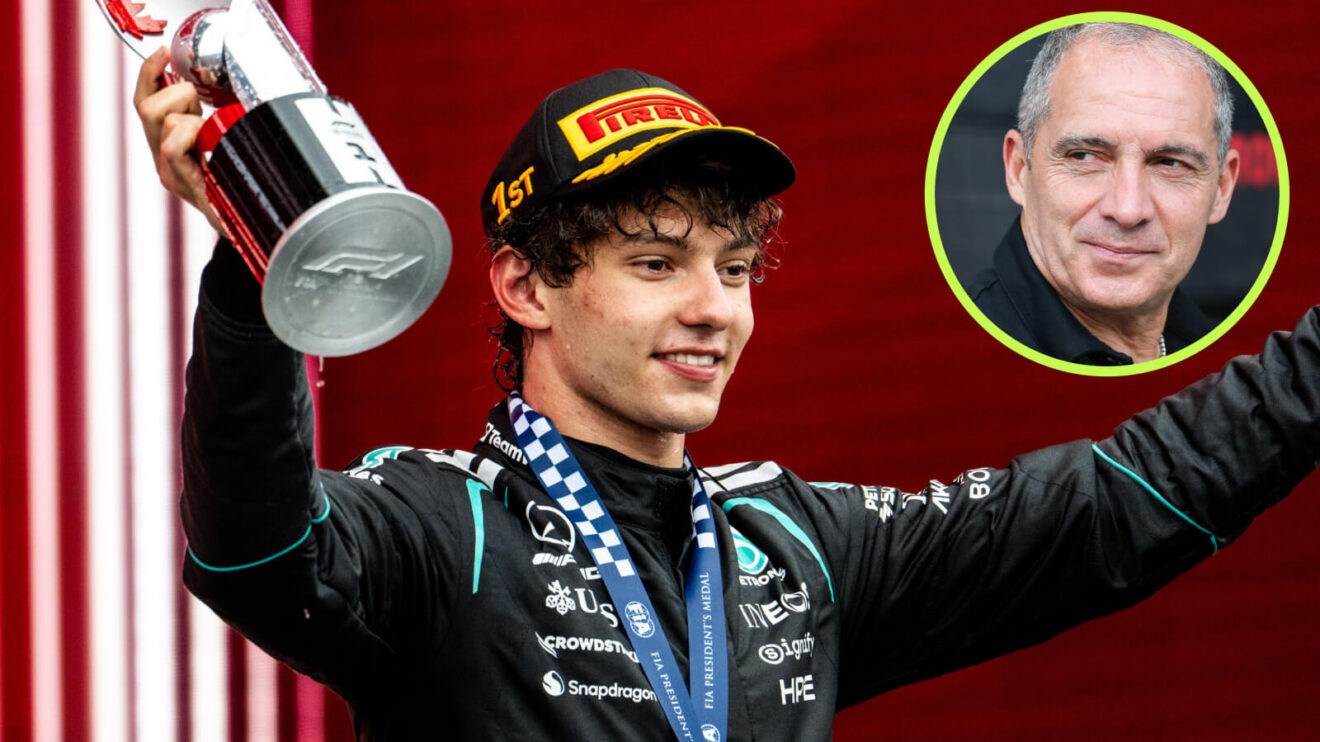
In the hushed telemetry room at Mercedes, where heart-rate spikes and cortisol curves flicker across screens like storm warnings, Kimi Antonelli sits at the edge of greatness and collapse. Four victories in a row have propelled the 19-year-old into the championship lead, yet the data reveals something far more fragile than lap times: a young mind already negotiating the tightrope between brilliance and breakdown.
The Dangerous Illusion of Control
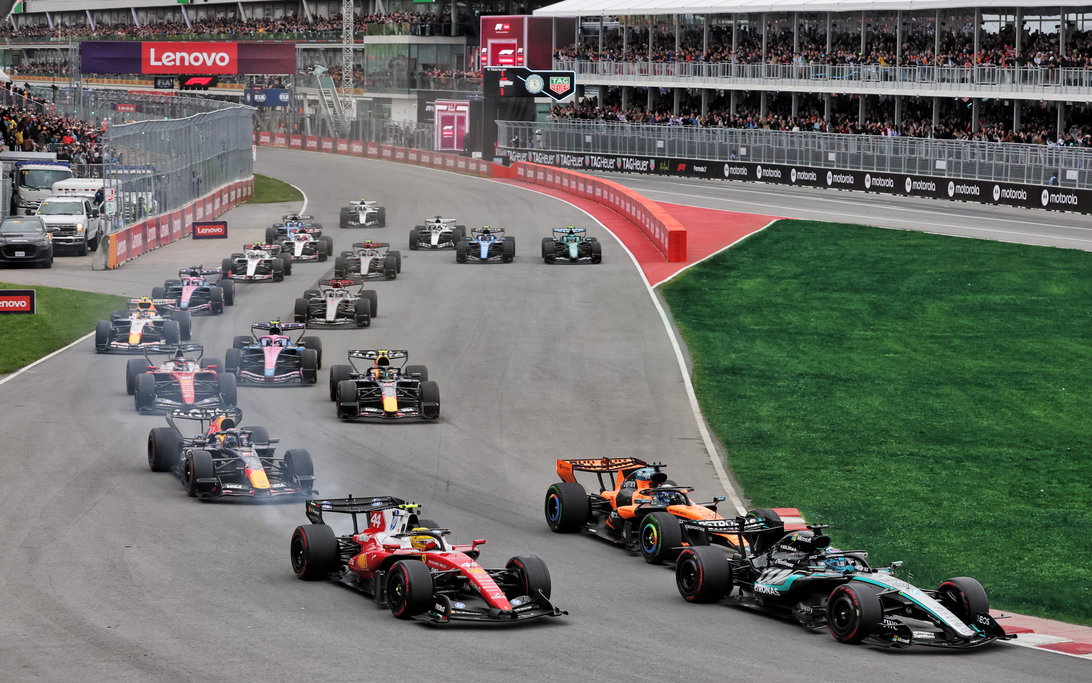
Antonelli's streak began after Japan, where he overturned a four-point deficit to seize a nine-point advantage. Victories in China, Japan, Miami, and Canada followed, stretching his cushion over teammate George Russell to 43 points. History offers cold comfort here. Only twice in the 25-point era has a larger gap closed: Vettel erasing Alonso's 44-point lead in 2012, and Verstappen overturning Leclerc's 46-point advantage in 2022. These recoveries were never purely mechanical. They exposed the psychological fractures that appear when early dominance collides with sustained pressure.
One mistake and you're down. That warning from father Marco Antonelli lands like a biometric alarm. The elder Antonelli told F1-Insider that the moment feels "great" yet "dangerous," because public perception flips without warning. In my view, this is the same emotional suppression Red Bull engineered around Verstappen, turning raw outbursts into calculated silence. Antonelli risks becoming another manufactured champion unless he confronts the inner monologue that whispers doubt between corners.
- Heart-rate telemetry during race starts already shows elevated baselines compared to his rookie year.
- Decision latency in sector two of recent grands prix hints at overthinking rather than flow.
- Russell's public remark that the title is "Antonelli's to lose" functions as psychological warfare, not praise.
Trauma Narratives and the Hamilton-Lauda Parallel
Antonelli downplays the championship, insisting he races "just race by race" while needing to "keep leveling up." That sounds measured, yet it echoes the calculated public persona Lewis Hamilton cultivated after his own early crises. Both drivers learned to weaponize resilience narratives. Hamilton, like Niki Lauda post-crash, transformed personal fracture into armor that overshadowed raw talent. The difference is that Antonelli still operates without the institutional psychological coaching that later protected Verstappen. Within five years, I expect F1 to mandate mental-health disclosures after major incidents. When that arrives, the scrutiny will expose whether Antonelli's current calm is authentic or merely another layer of performance.
"It’s a great moment, but also dangerous. One mistake and you’re down. You’re the star one moment, the worst driver the next."
Marco Antonelli's words capture the core truth: driver psychology trumps aerodynamics once rain falls or margins shrink. Wet conditions strip away engineering advantages and reveal personality under uncertainty. Antonelli's father urges taking "one step at a time," but the telemetry does not lie. Sustained leads breed isolation, and isolation breeds the very errors that history records as sudden collapses.
The Unfolding Mental Season
Mercedes' current form offers temporary shelter, yet the long calendar will test Antonelli's ability to integrate aggression with consistency. If the team continues to treat emotional regulation as an afterthought, the 43-point buffer will erode faster than any strategic miscalculation. The sport stands at a threshold where biometric transparency will soon become mandatory. Antonelli's challenge is to meet that future not as another suppressed talent, but as a driver who understands that the real championship is won inside the mind long before the chequered flag waves.
The data already shows the fracture lines. The question is whether he will read them before the next storm arrives.
Join the inner circle
Get the deep dives and technical analysis from the world of F1 delivered to your inbox twice a week.
Zero spam. Only high-octane analysis. Unsubscribe anytime.