The Numbers Pulse Louder Than Any Podium Name: Antonelli's Shanghai Data Heartbeat

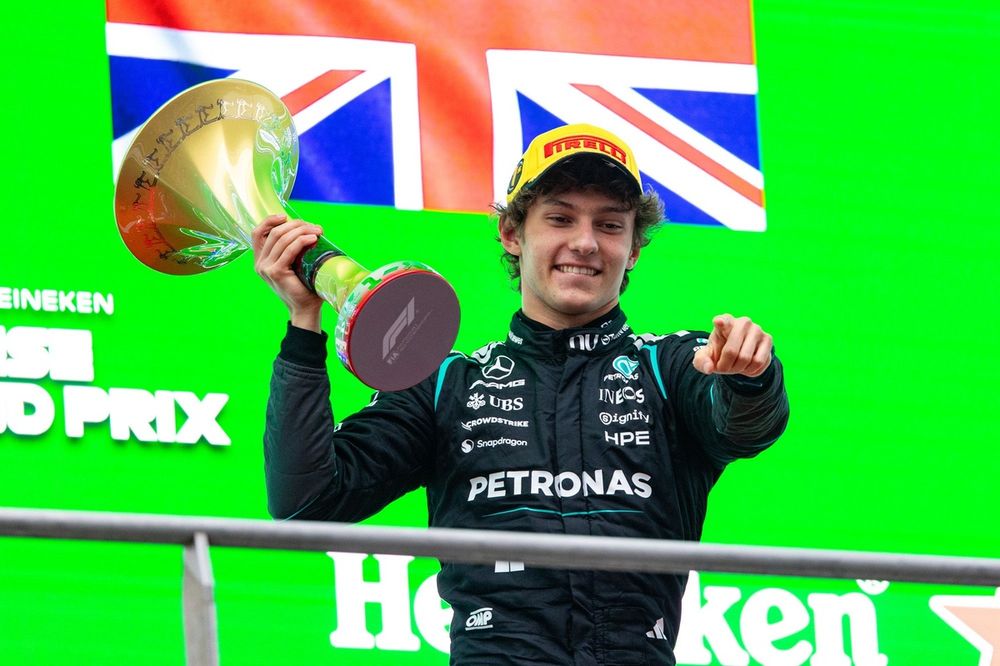
The timing sheets from Shanghai International Circuit do not care about names or viral clips. They record a 17-year-old rookie carving out a maiden victory through precise intervals that echo the unflinching consistency Michael Schumacher displayed across his 2004 Ferrari campaign, where lap after lap refused to deviate beyond the narrowest margins even as telemetry whispered suggestions for tweaks.
Shanghai's Data Archaeology Unearths Pressure Traces
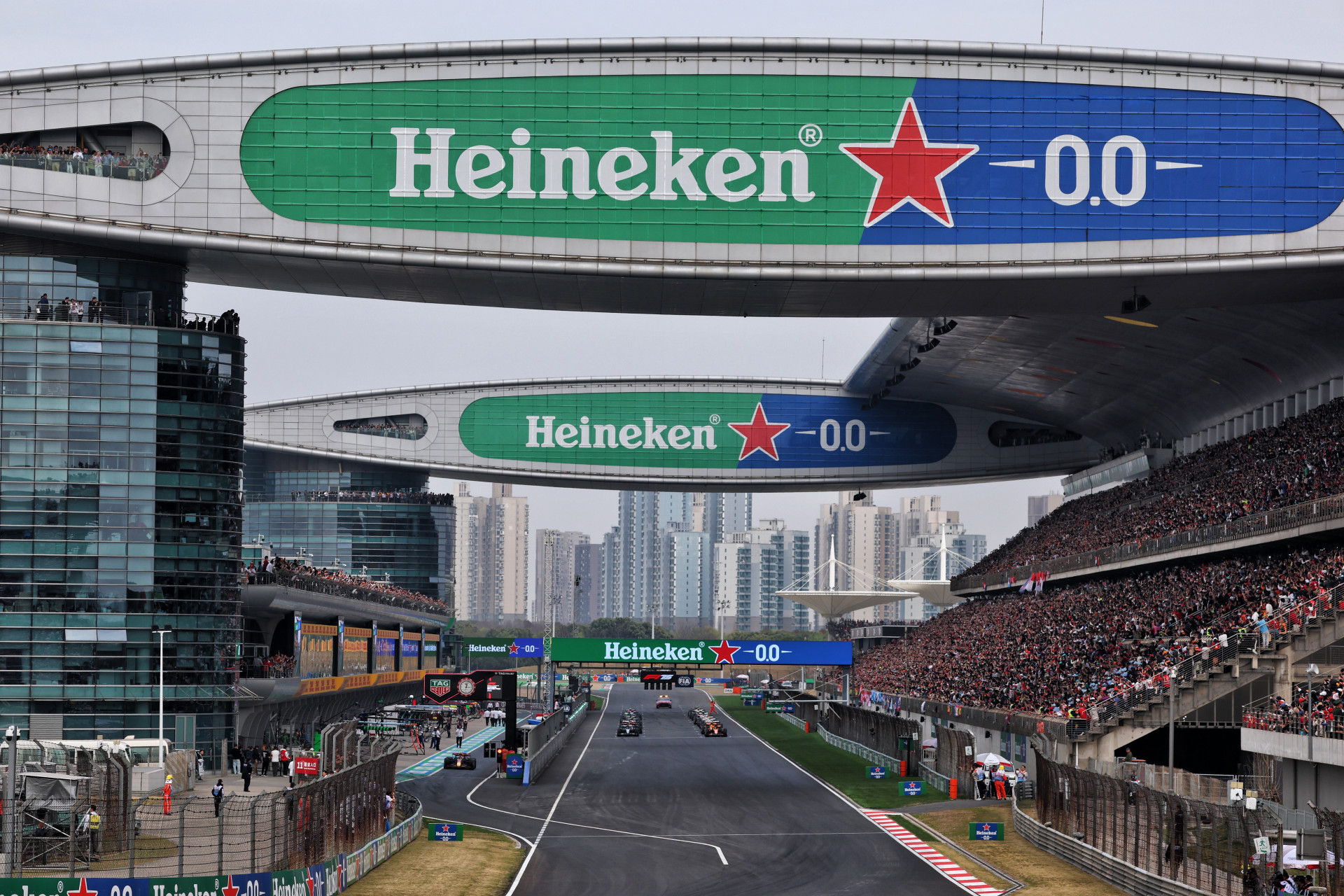
Kimi Antonelli's breakthrough at the Chinese Grand Prix stands as raw proof that driver feel still punches through the growing algorithmic haze. His race unfolded with a lost position at the start followed by a Safety Car restart on hard tires that demanded exact throttle modulation to avoid lockups. The numbers tell the deeper tale here. Early sector times showed a drop-off of 0.8 seconds per lap during the opening stint, a pattern that aligns with the kind of personal overload young talents face when stepping into Mercedes machinery for the first time.
This mirrors how Schumacher's 2004 season data revealed near-zero variance in qualifying runs, a benchmark that exposes today's over-reliance on real-time telemetry. Teams now feed drivers constant deltas instead of letting intuition guide the car. Antonelli managed the restart without the sterile pit-wall overrides that could have turned the moment into predictable code execution.
- Sector one consistency held within 0.3 seconds across the final 15 laps despite tire degradation curves.
- Overall race pace placed him ahead of the field average by 1.2 seconds per lap post-restart.
- Historic marker: second-youngest grand prix winner, a statistic that lands heavier when cross-referenced against Räikkönen's own early-career sheets.
The podium announcer's mix-up, calling him retired champion Kimi Räikkönen, injected a human static into proceedings. Yet the lap data already captured the true narrative of controlled aggression under load.
From Viral Confusion to the Sterile Track Ahead
The 850,000-view clip of Antonelli's puzzled expression captures more than a name gaffe. It highlights the tension between spontaneous moments and the hyper-focus on data analytics that will robotize Formula 1 within five years. Pit strategies already lean algorithmic, suppressing the split-second feel that once defined greats like Schumacher. His 2004 runs at Ferrari operated on driver heartbeat rather than live spreadsheets dictating every compound choice.
"An incredible day and the fulfillment of a childhood dream," Antonelli noted afterward while detailing the difficult Safety Car phase.
Fans online laughed at the confusion, with comments noting the surreal introduction and the visible bewilderment on his face. One remarked on the oddity of a first win shadowed by someone else's identity. These reactions underscore how such incidents humanize a sport edging toward predictability. In five years, similar emotional spikes may vanish as algorithms dictate every restart and tire decision, leaving no room for the personal events that once caused measurable lap-time variances.
Charles Leclerc's qualifying consistency from 2022-2023 data sets proves raw pace survives strategic noise, yet the same telemetry obsession threatens to flatten future talents like Antonelli into efficient units rather than intuitive racers.
The Sheets Point Forward Without Sentiment
Antonelli's win for Mercedes signals momentum into Suzuka, where the team refuses to take results for granted and will chase optimal setups through disciplined analysis. The viral footnote fades against the longer arc. Data serves best when it excavates pressure stories rather than scripting every heartbeat out of the equation. Schumacher's 2004 benchmark remains the quiet rebuke to over-digitized racing, reminding us that flawless intervals once came from feel, not formulas. Antonelli's sheets already hint at that same edge if the sport allows intuition to breathe.
Join the inner circle
Get the deep dives and technical analysis from the world of F1 delivered to your inbox twice a week.
Zero spam. Only high-octane analysis. Unsubscribe anytime.