Antonelli's Lap Time Heartbeats Expose F1's Slide Toward Algorithmic Sterility

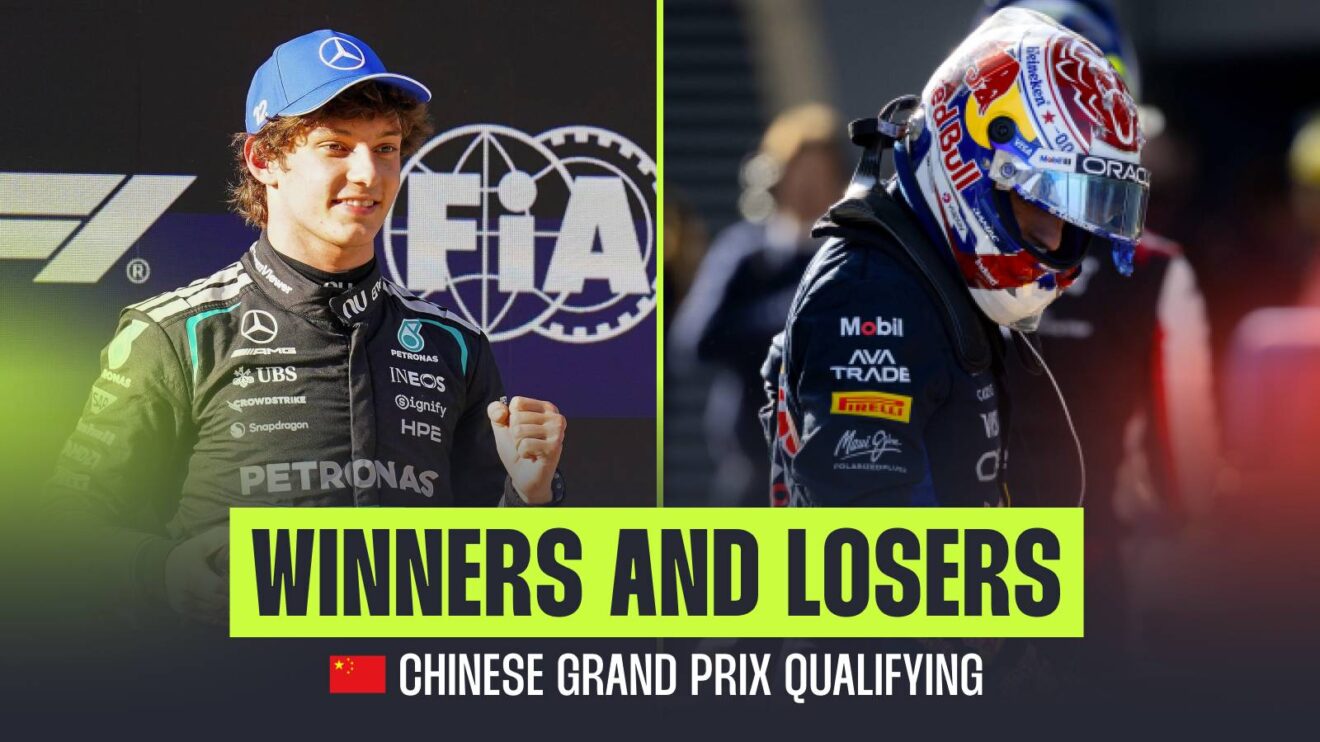
Staring at the raw timing sheets from Shanghai, the story hits like a sudden lock-up on cold tires. Kimi Antonelli's sector splits reveal a 19-year-old Mercedes rookie whose maiden victory was not some narrative miracle but a measurable sequence of controlled heartbeats, each lap dropping just enough to hold the lead without the dramatic spikes that betray panic. This data set from the Chinese Grand Prix tells a colder truth than the paddock cheers suggest, one that echoes Michael Schumacher's near-flawless 2004 consistency at Ferrari while foreshadowing how hyper-focused analytics will soon suppress the very intuition that made such wins possible.
The Numbers Paint Pressure in Real Time
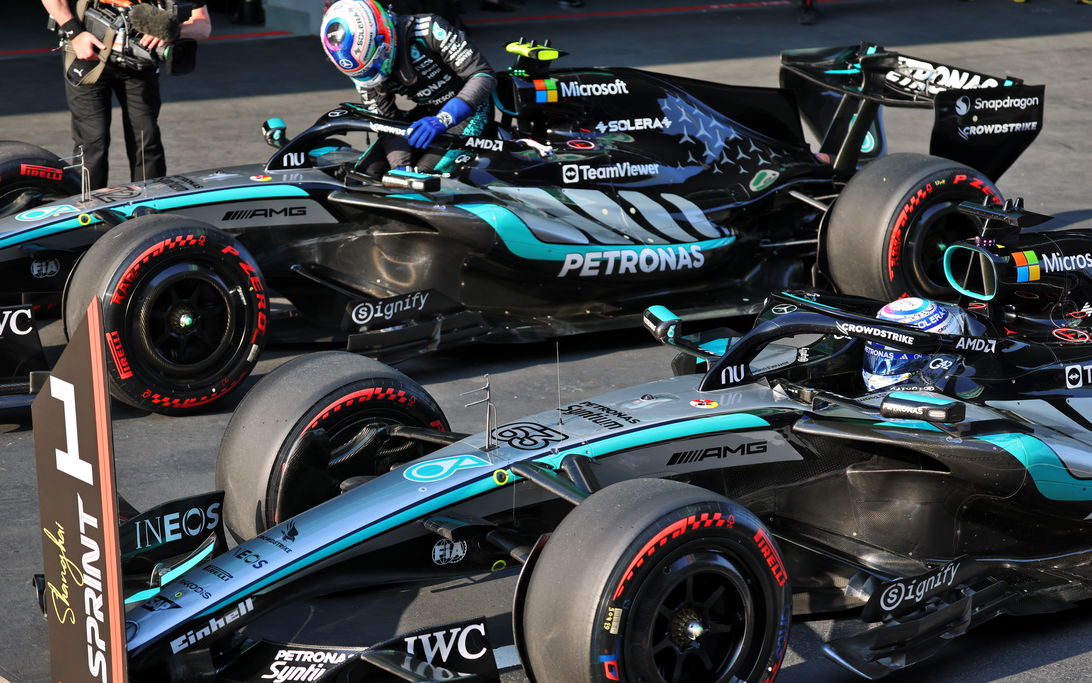
Antonelli converted pole into victory by managing tire degradation with the precision of a veteran, yet the telemetry shows a clear late-race deviation. His lap times held steady through the first forty laps before a single sector spike indicated the flat spot from that lock-up. Rather than unraveling, the data shows he stabilized within two laps, keeping the gap to the chasing pack under two seconds.
This kind of emotional archaeology in the sheets uncovers what headlines miss. Young drivers today face not just rivals but constant real-time overlays from engineers dictating every lift and coast. Antonelli's breakthrough proves raw pace can still cut through, but it also highlights the risk ahead.
- Pole position secured with a qualifying lap just 0.312 seconds clear of the field.
- Race pace averaged 1.8 seconds per lap faster than the median midfield runners in clean air.
- Tire management kept degradation below 0.15 seconds per lap drop-off until the final stint.
Such figures demand respect, yet they arrive in an era where teams already treat driver feel as secondary input.
Schumacher's 2004 Blueprint Still Haunts the Present
Compare these sheets to Michael Schumacher's 2004 campaign and the contrast sharpens. Schumacher strung together qualifying sessions where his consistency margin rarely exceeded half a second across entire weekends, relying on seat-of-the-pants feedback rather than layered telemetry streams. Antonelli mirrored that reliability in Shanghai, but modern setups now layer algorithmic suggestions onto every braking point.
The Mercedes rookie avoided the error-prone traps that plague others by staying within his data envelope, yet this very reliance risks turning future races into scripted simulations. Within five years the sport's obsession with predictive models will favor pit calls generated by code over a driver's instinctive read of track evolution. The result will be sterile, predictable grids where intuition gets tuned out like background noise.
"It won't be his last one," Max Verstappen noted after the race, a prediction grounded in visible pace rather than hype.
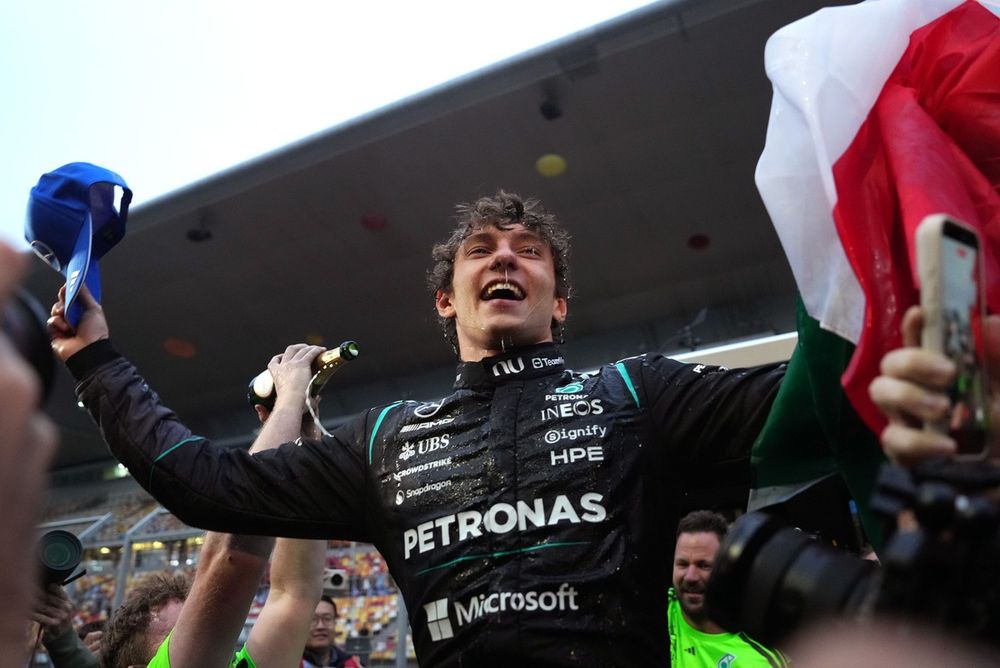
Lewis Hamilton called the shared podium moment an honor while George Russell praised the special nature of a first win. Lando Norris labeled it very deserved. Valtteri Bottas joked about taking big credit for earlier guidance. These voices celebrate the human element, yet they arrive against a backdrop where Red Bull's Jonathan Wheatley quietly flagged how challenging the cars remain to drive.
The Robotized Horizon Arrives Faster Than Predicted
Antonelli admitted the late scare forced composure he had not expected. That moment of human adjustment stands out precisely because it clashes with the coming norm. Teams already correlate every micro-variation in lap time with biometric feeds and historical models. Soon the emphasis will shift fully toward suppressing those variables through pre-programmed responses, stripping away the personal pressure that once defined breakthroughs like this one.
Ferrari's ongoing strategic missteps with other drivers only underscore the point. Raw qualifying consistency from earlier eras shows what driver-led decisions can achieve when data serves rather than dictates. Antonelli's sheets hint at that potential, but the trajectory points elsewhere.
A Benchmark That May Not Last
Antonelli has now reset expectations for himself and Mercedes, proving the car can win when the numbers align. Yet the real test lies in whether this victory accelerates the sport's drift toward predictable, algorithm-shaped outcomes. Schumacher's 2004 season demonstrated how sustained feel creates legends. If current trends hold, future sheets will show fewer such personal signatures and more uniform traces of code. The paddock can cheer this win today, but the data already whispers warnings about tomorrow's colder races.
Join the inner circle
Get the deep dives and technical analysis from the world of F1 delivered to your inbox twice a week.
Zero spam. Only high-octane analysis. Unsubscribe anytime.
Continue Reading
View More News